
Liberal Senator Alex Antic has raised concerns about the eSafety Commissioner’s power to remove content from overseas social media accounts.
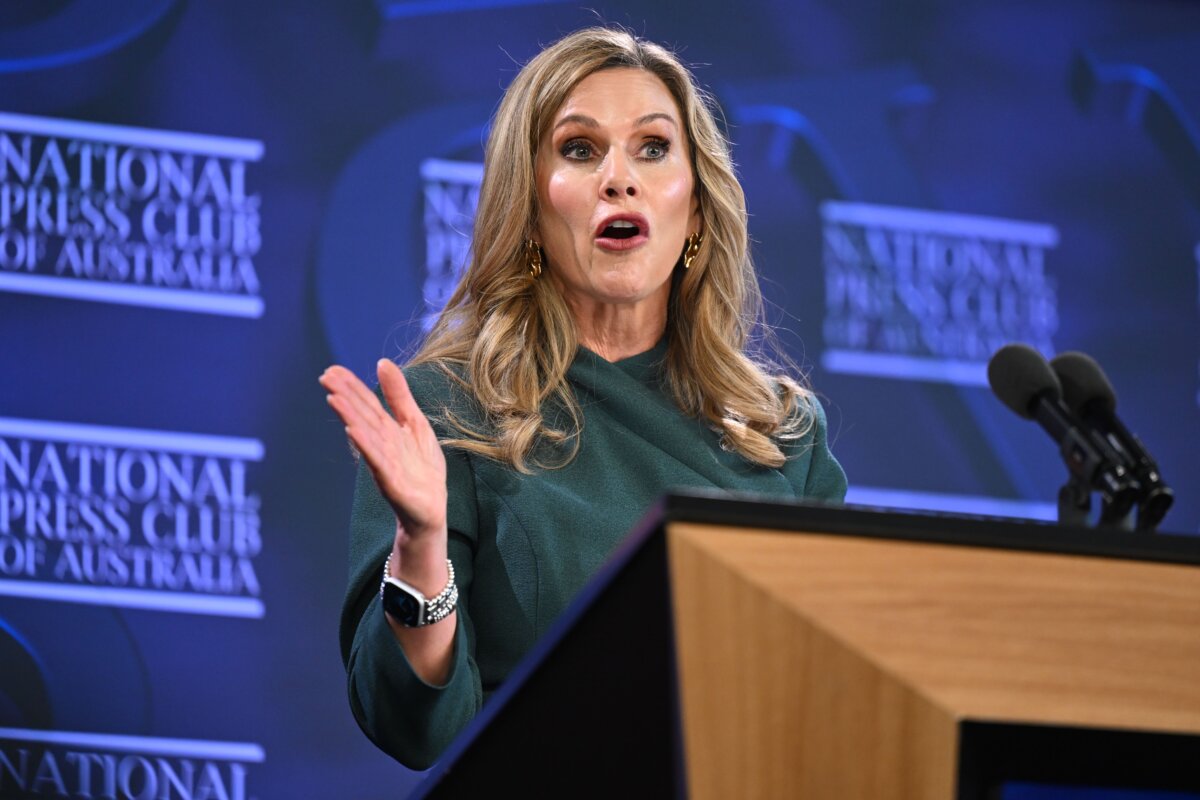
His comments come after the eSafety Commissioner Julie Inman Grant sent notices to X and Meta regarding the removal of footage of the killings of Iryna Zarutska, Charlie Kirk, and a Dallas motel manager.
Senator Antic said he could understand the move to keep certain online content away from children, but earmarked concerns with government overreach.
“The problem I have though, is the almost, I guess, ‘quasi-judicial’ nature of the powers that the office has,” Antic told Sky News Australia.
The senator said the commissioner can determine whether something is hateful or abhorrent and then issue an order to take down the content.
“And that is where it lays unless the company or the person … appeals to the Administrative Appeals Tribunal and the Federal Court,” Antic said.
“So it is a very very broad set of powers that are afforded here and I do have concerns about those powers.
“You can’t not be alarmed by the sort of the reach that we are seeing here and the implications for free speech more broadly,” Antic said.
The Free Speech Union of Australia has issued a claim in the Tribunal against the eSafety Commissioner for what they described as the “latest attempt to censor free discussion on the news.”
“In this case, it concerns an attempt to ban anyone viewing the murder of Iryna Zarutska,” the Union said in a post to X.
eSafety Explains Removal Orders
In a response to The Epoch Times, the eSafety Commissioner revealed it had received multiple complaints about graphic footage showing the violent killings of the three U.S. incidents.
Australia’s classification board had reviewed the content and refused it classification, meaning it cannot be hosted, shared, or distributed in Australia.
“eSafety’s notices applied only to the relevant graphic footage, assessed as [Refused Classification or RC] by the Classification Board—the notice does not refer to opinions or political commentary surrounding the RC footage,” an eSafety spokesperson told the Epoch Times.
eSafety Commissioner Inman Grant further explained her powers at a Senate Environment and Communications Legislation Committee Estimates hearing.
“Under the Online Safety Act, we have the ability when the public complains to us about what we call ‘class one’ content: terrorist and violent extremist material, as well as child and sexual exploitation material. If we assess it as class one material it is considered illegal in Australia,” Grant said.
Inman Grant said, “I certainly do” when asked if she believed in free speech.
eSafety’s 2 Initiatives to Keep Young Australians from Online Harm
The eSafety commissioner is Australia’s online safety watchdog, and is currently overseeing Australia’s impending under-16 social media ban, and industry codes set to restrict young Australians from accessing class one content in the country.
The social media ban, which was legislated federal in November 2024, will come into force on Dec. 10 this year.
Regulatory guidance for the implementation of the ban was released by Inman Grant on Sept. 16.
Alongside the social media ban, there are industry “codes” being developed in collaboration with the tech giants and then approved by the eSafety Commissioner.
The codes broadly compel the tech industry to find ways to prevent young Australians from accessing “illegal and restricted online content,” in accordance with the Online Safety Act.
These include app distribution platforms, equipment providers, social media outlets, and relevant electronic services and designated internet services.
The eSafety commissioner approved three industry codes in June, which will require search engines like Google and Bing to introduce technology to verify the age of users. This is set to come into force on Dec. 27.
In September, the eSafety Commissioner released a further six codes which will come into effect on March 2026.
A Senate inquiry was approved not too long ago to consider the impact the social media ban and industry codes will have on personal privacy.
 Friends Read Free
Copy
Facebook
Tweet
Friends Read Free
Copy
Facebook
Tweet