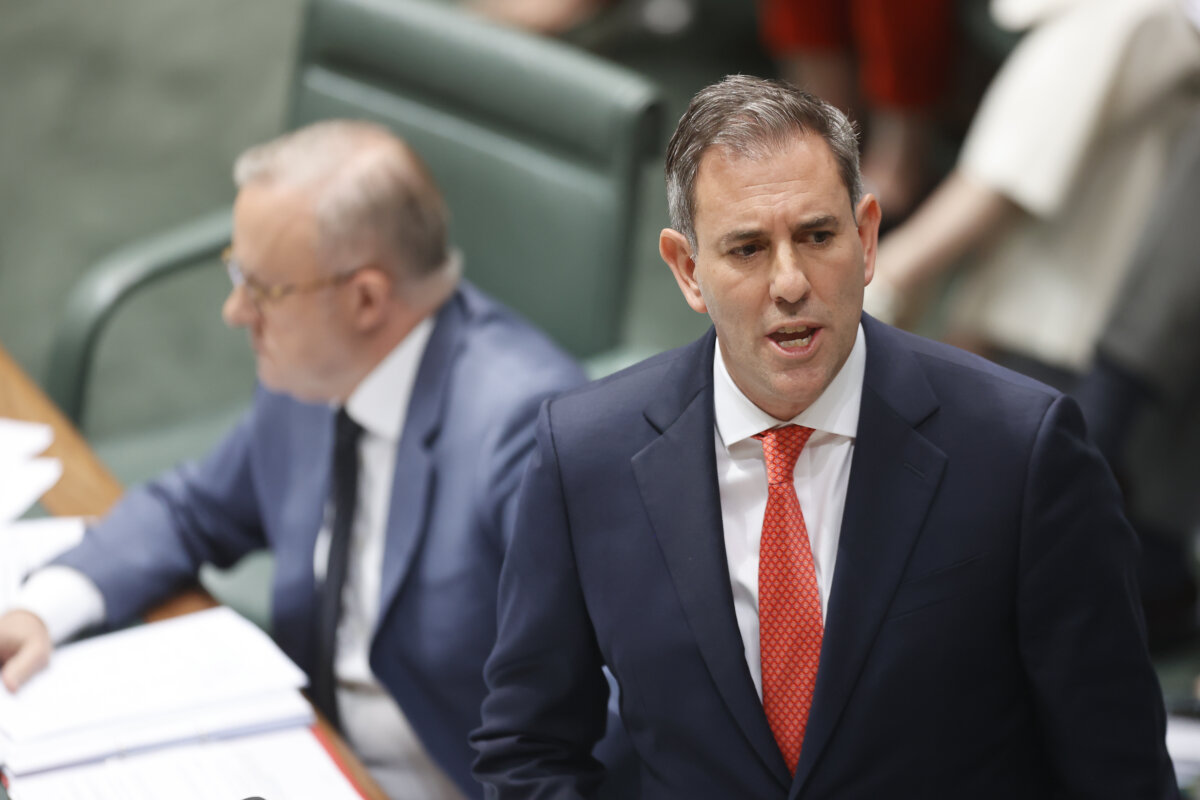

BRISBANE, Australia—Details of the cost of the Labor government’s gun buyback scheme are yet to be finalised, according to federal Treasurer Jim Chalmers.
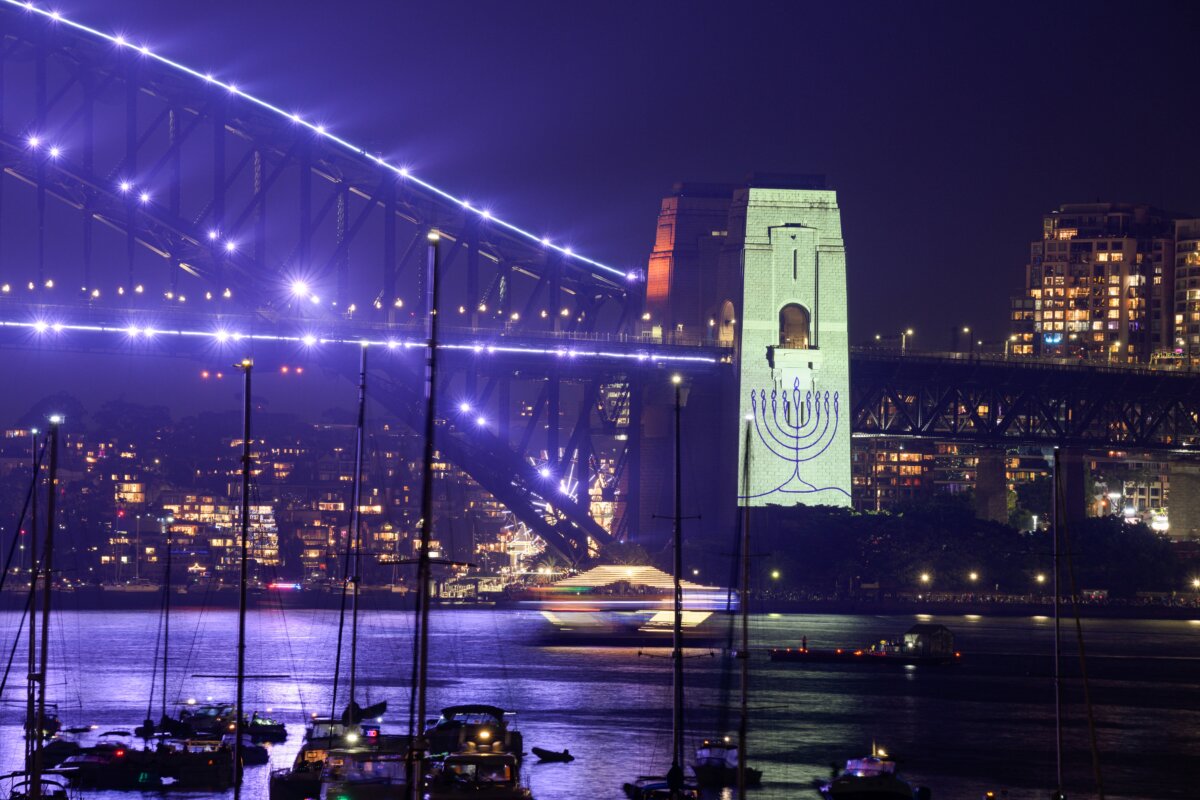
Prime Minister Anthony Albanese announced the move on Dec. 19, 2025 in the wake of the Bondi terrorist attack that left 15 people dead and 40 injured.
In the initial announcement, Albanese said the national cabinet was scheduled to meet on Dec. 22, 2025, where officials and ministers would commence work on the details of the scheme.
Since then, details are yet to be made public.
On Jan. 5, 2026, Treasurer Chalmers was in Brisbane to discuss the start of Labor’s three-day-a-week guaranteed childcare scheme.
When asked about costings of the gun buyback scheme, he said the policy was still in the works.
“Well, the costs [to taxpayers] are being finalised, as is the policy,” he said in response to a question from The Epoch Times.
“When we are working through a change of this magnitude, it requires a lot of cooperation and collaboration with the states and territories.
“I pay tribute to my ministerial colleagues who have been working over Christmas on that, to make sure that we get the buyback regime right.”
Chalmers also stressed the need to “toughen” Australia’s gun laws and reiterated that the gun buyback scheme was a “necessary element.”
In addition, the treasurer noted that more information will be released to the public when details are ready.
“The policy is not concluded yet, but a lot of work’s gone into it, and when we have more to say about it, we’ll say that publicly,” he said.
Industry Body Predicts Scheme Could Cost $15 Billion
The Albanese government’s gun buyback scheme will be the largest of its kind since the 1996 Port Arthur Massacre.
The move has drawn criticism from Australia’s peak body for lawful shooting, the Shooting Industry Foundation of Australia (SIFA), which estimates that it would cost billions of dollars for taxpayers to buy back half of the nation’s 4 million firearms.
“Some estimates put the total cost to the nation at up to $15 billion (US$10 billion) to cover the mass bans, purchase of ammunition, spare parts, unusable accessories, loss of business compensation, job redundancy payments for industry and potential business closures and administration costs,” SIFA said in a statement.
The SIFA also argued that the buyback scheme would worsen the current living cost crisis and divert attention away from the threat of anti-Semitism.
“SIFA does not believe that Australians will provide widespread support for a new tax during a time of struggle,” the peak body said. “SIFA believes this is a shameless attempt to divert national attention from the underlying issue of anti-Semitism and the increased risk of terrorism in the nation.”
Calls for a Royal Commission
The Albanese government has continued to resist calls for a royal commission into the Bondi attack, insisting that an independent Commonwealth review into Australia’s federal law enforcement and intelligence agencies is sufficient.
Albanese noted that the independent report would be finalised by April, whereas a royal commission would take years to deliver findings.
Yet this move has been opposed by business leaders, public figures, and politicians.
At least 120 business leaders signed an open letter calling for a royal commission, including former Reserve Bank of Australia Governors Philip Lowe and Glenn Stevens, billionaire James Packer, and former Telstra CEO David Thodey.
Australia’s senior Catholics have also joined the call for a broader inquiry.
Archbishop of Perth Timothy Costelloe acknowledged the importance of the independent review, but said there was a need to “confront and eradicate the deeper roots of anti-Semitism in Australia.”
 Friends Read Free
Copy
Facebook
Tweet
Friends Read Free
Copy
Facebook
Tweet