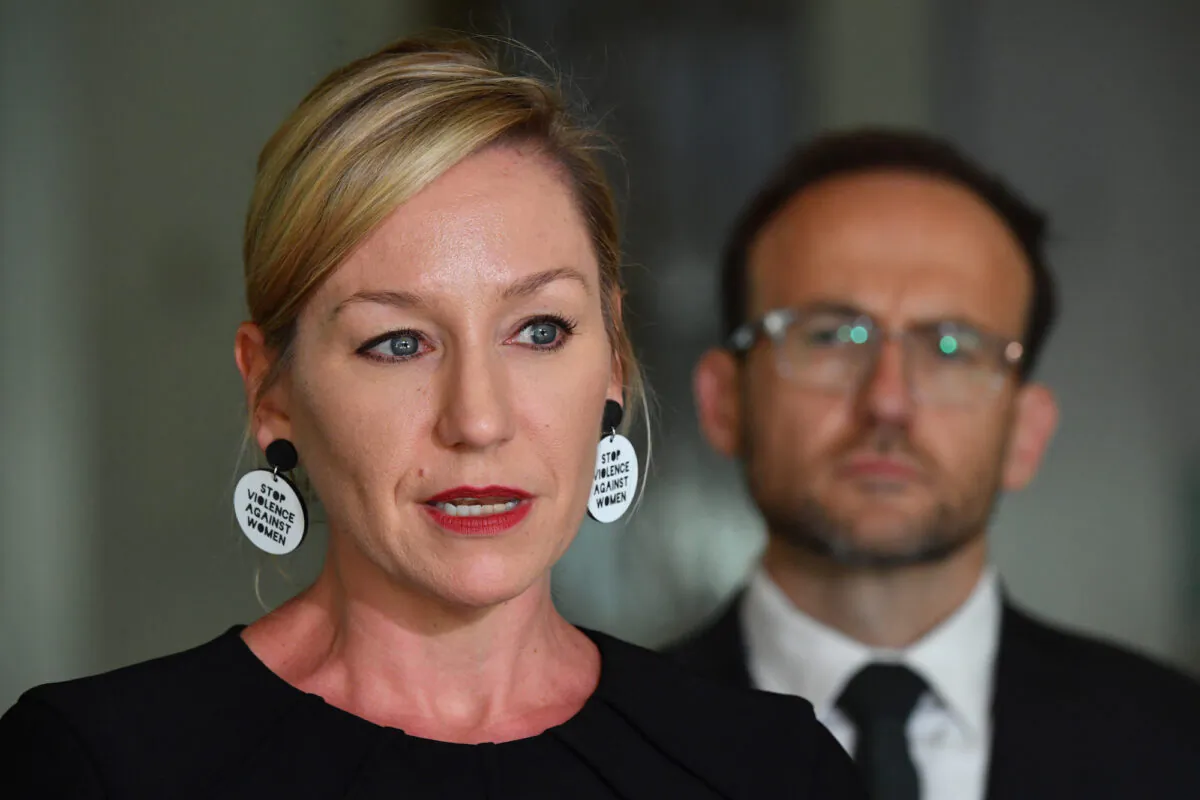

The federal government is under pressure to create more strident measures around political donations after the Australian Electoral Commission released the financial details of political donations for the last financial year on the transparency register.
The Greens have called on the federal government to tighten the regulations around political donations after an examination of the Australian Electoral Commissions Transparency Register revealed that the Liberals, Nationals and Labor received $241 million (US$166 million) in political donations in the 2021-22 financial year, with millions contributed by coal and gas corporations and their lobby groups.
Additionally, the Greens allege that Australia’s largest financial consultancy firms, PwC, Deloitte, EY and KPMG, were amongst the largest corporate donors to the Liberal/National and the Labor party in the past financial year, handing over almost $860,000 to the two major parties.
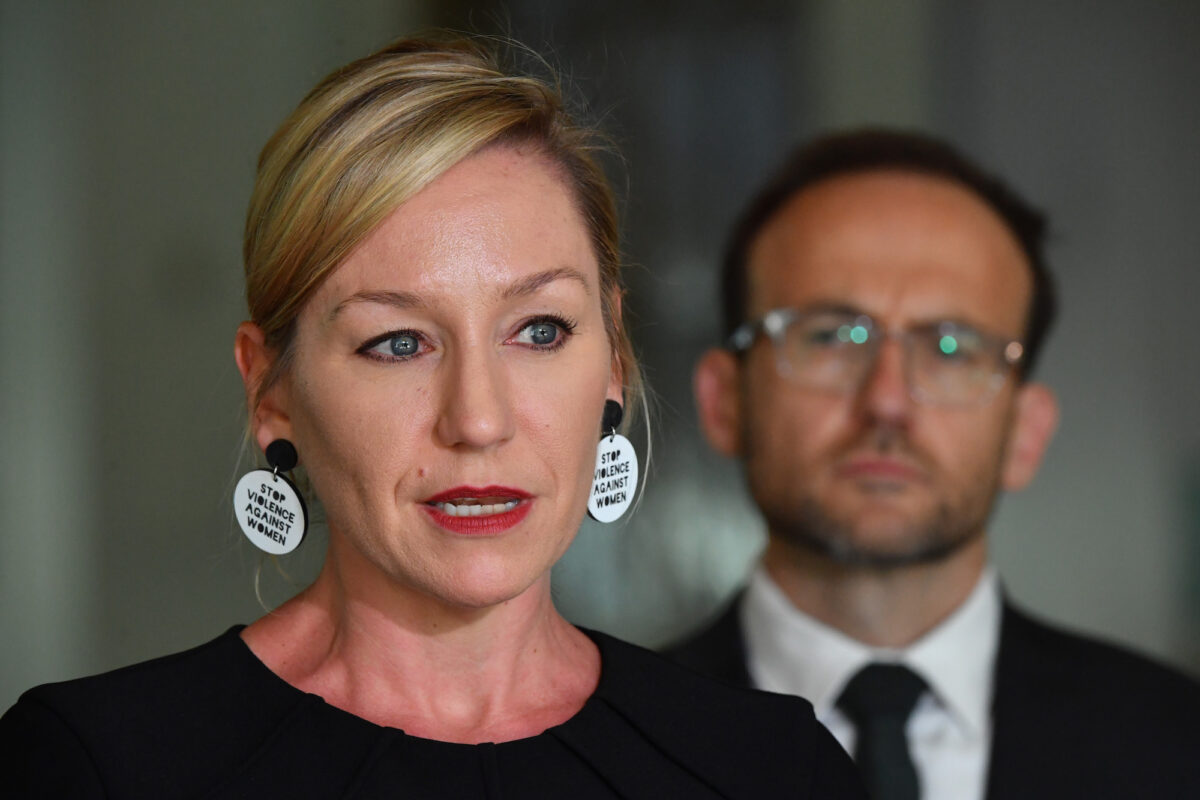
The Greens believe this is a conflict of interest, with Greens Party Democracy Spokesperson Larissa Waters and Greens Finance Spokesperson Barbara Pocock arguing that all donations to political parties should be made public.
“Today’s data once again shows that money talks, with more than $241 million pocketed by the major parties in the last financial year,” Waters said.
“These are only the donations that Australians are told about. More than a third of all donations fall below the $14,500 disclosure threshold, and many ‘membership fees’ and cash-for-access event fees are not classed as donations, so stay hidden from public view.”
Meanwhile, Pocock said that the political donations were a case of ” you scratch my back, and I’ll scratch yours.”
“We’ve got to have a close look at the whole regime of outsourcing government work to private consultancy firms,” she said, noting that PwC donated more than $246,000 to the major parties in 2021-22 and received government contracts worth almost $600 million in the same financial year.
“What confidence can Australians have in companies who make large donations to political parties and then receive major government contracts?
“There are obvious conflicts of interest when the firms you hire as consultants are also major donors to your political party.”
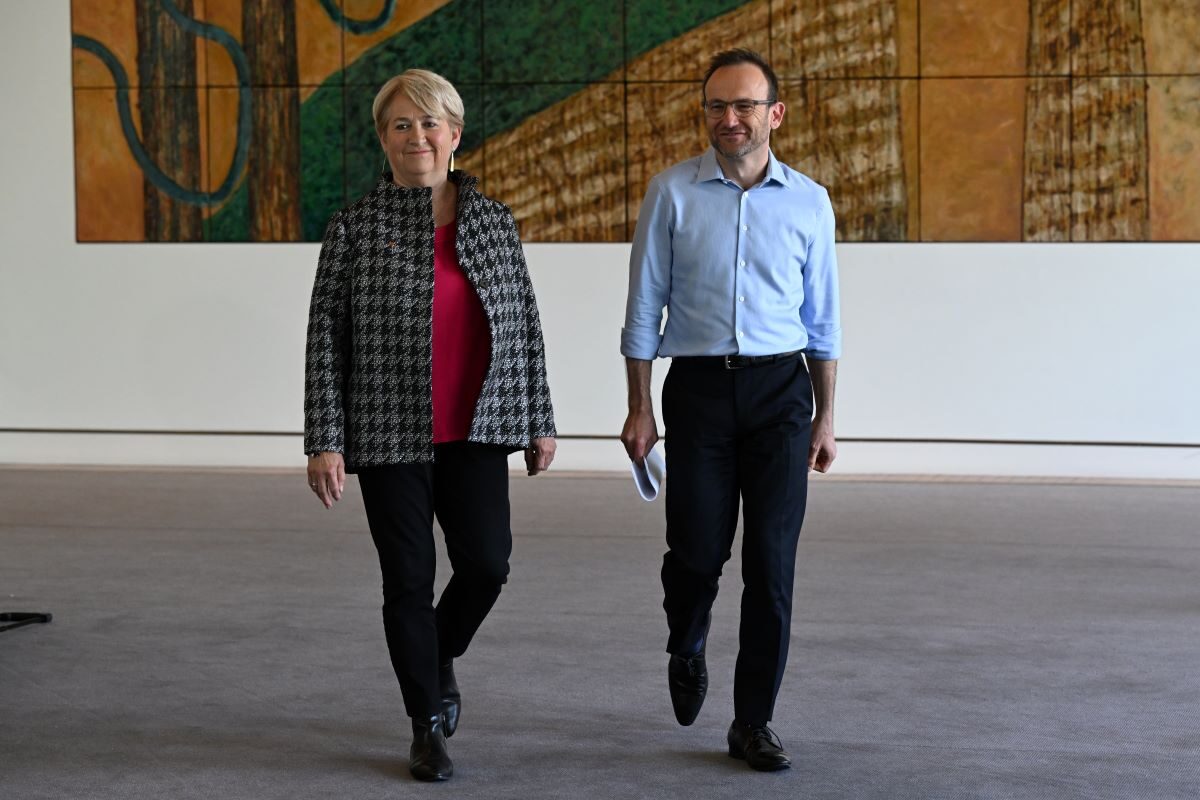
The two senators are pushing for the Labor federal government for more regulation of political donations, so Australian voters can be confident that there are no conflicts of interest.
The Greens are looking to create legislation that will cap political donations to $1,000 per year no matter who the donor is and to ban donations from dirty industries with a track record of seeking to buy policy outcomes, including the fossil fuel sector.
“We will continue to use our balance of power in the Senate to push Federal Labor to cap political donations and ban them from influential industries, including the fossil fuel sector, gambling, banking, defence, and pharmaceuticals,” Waters said.
“Without such action, how can Australians be confident that our democracy is not for sale?” Senator Pocock said.
Greens Own Political Donations in the Firing Line
The proposed regulations from the Green senators would also impact the Greens Party itself, which has been the recipient of large donations from the Communications Electrical and Plumbers Union (CEPU), which is a conglomeration of the Communication Workers Union, the Electrical Trades Union (ETU), and the Plumping and Pipe Trades Union.
According to the Australian Greens party political donations transparency register during 2021-2022, the CEPU donated $390,000 to the Greens in two instalments of $250,000 and $140,000 in the past year.
The Epoch Times contacted the media spokespeople for both Waters and Pocock for comment on whether there would be any conflict of interest between the CEPU donations and the Greens’ political work but did not receive a formal response from either Waters or Pocock.
While the CEPU currently does not have any national campaigns that are similar to the Greens’ political agenda, the ETU is running an anti-nuclear power campaign that has declared that nuclear was not a solution to Australia’s energy needs.
“It is dangerous, costly, creates toxic waste and has the potential to take us down the path of devastating weaponry,” the ETU said in its campaign release.
“The world is moving away from fossil fuels, and Australia has a huge opportunity to benefit from the clean energy revolution.”
As Australia transitions away from fossil fuels, the debate around using nuclear energy is growing, with many, including the National Party and the Liberals, looking to explore nuclear energy as a cleaner pathway to reducing emissions.
Currently, the Greens position on nuclear technology is that Australia should not have any nuclear power, weapons or mining.
“Nuclear power is not a safe, clean, timely, economic or practical solution to reducing global greenhouse gas emissions,” the Greens argue in their Nuclear and Uranium policy.
Law Centre Pushes For Better Regulations
Meanwhile, the Greens are not the only ones advocating for more regulations on political donations. The Human Rights Law Centre is also calling on the Albanese government “to truly change the status quo.”
 Friends Read Free
Copy
Facebook
Tweet
Friends Read Free
Copy
Facebook
Tweet