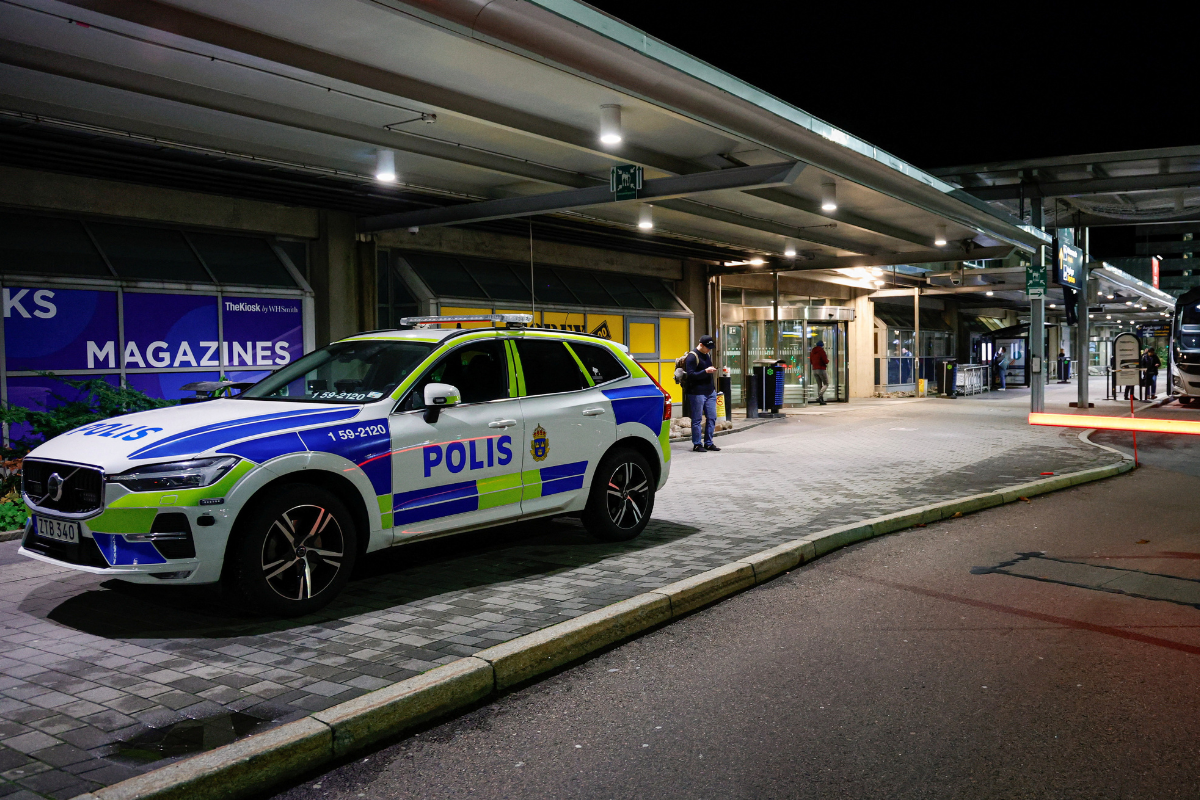

Flights have resumed at Gothenburg-Landvetter Airport after being grounded on Nov. 6 following drone sightings. This was the latest incident of disruption at European airports due to Unmanned Aerial Vehicles (UAVs) in their vicinity.
Authorities said one or more UAVs were spotted at Sweden’s second-largest airport at around 5:41 p.m. local time, resulting in more than a dozen flights having to be canceled or rerouted to other airports.
“Police have now informed us that the incident is over, and we therefore plan to start traffic back up again,” Swedish state-owned airport operator Swedavia said.
A police spokesperson said they were launching an investigation into “suspected aviation sabotage.”
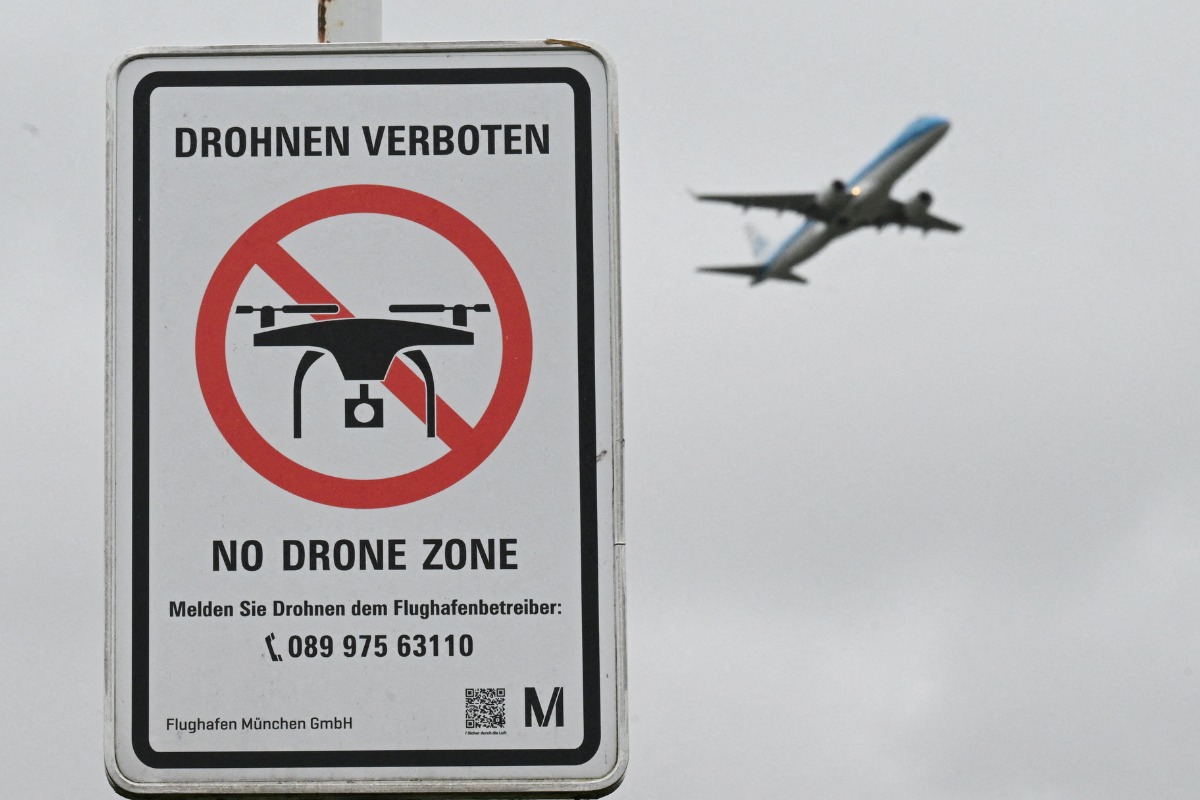
That same day, Liège and Brussels airports in Belgium also halted flights temporarily after drone sightings, just two days after similar incidents at the same airports.
According to Belga News Agency, flights at Brussels Airport were suspended for half an hour at 9:20 p.m. local time after a drone was spotted.
At Liège Bierset Airport, traffic was suspended shortly before 10 p.m. local time, disrupting eight departing and 12 arriving flights. Normal air traffic resumed after 11:20 p.m.
Belgian air traffic safety control service Skeyes stated that it is standard practice to ground flights when there is a “serious sighting.”
There have been sightings of drones over other European countries in recent months, including Poland and Denmark.
Some European officials have blamed the incursions on Russia, though Moscow denied any connection to the incidents.
Belgium’s Air Security
In response to the first sightings on Nov. 4, Belgian government ministers convened a National Security Council meeting on Nov. 6 to discuss the drone threat.
Ahead of the meeting, Belgian Defense Minister Theo Francken said, according to the Belga News Agency, that he wanted to get the new National Airspace Security Centre operational as soon as possible.
He also said that he hoped to reach a consensus at a government Council of Ministers meeting on Nov. 7 on ways to counter UAVs.
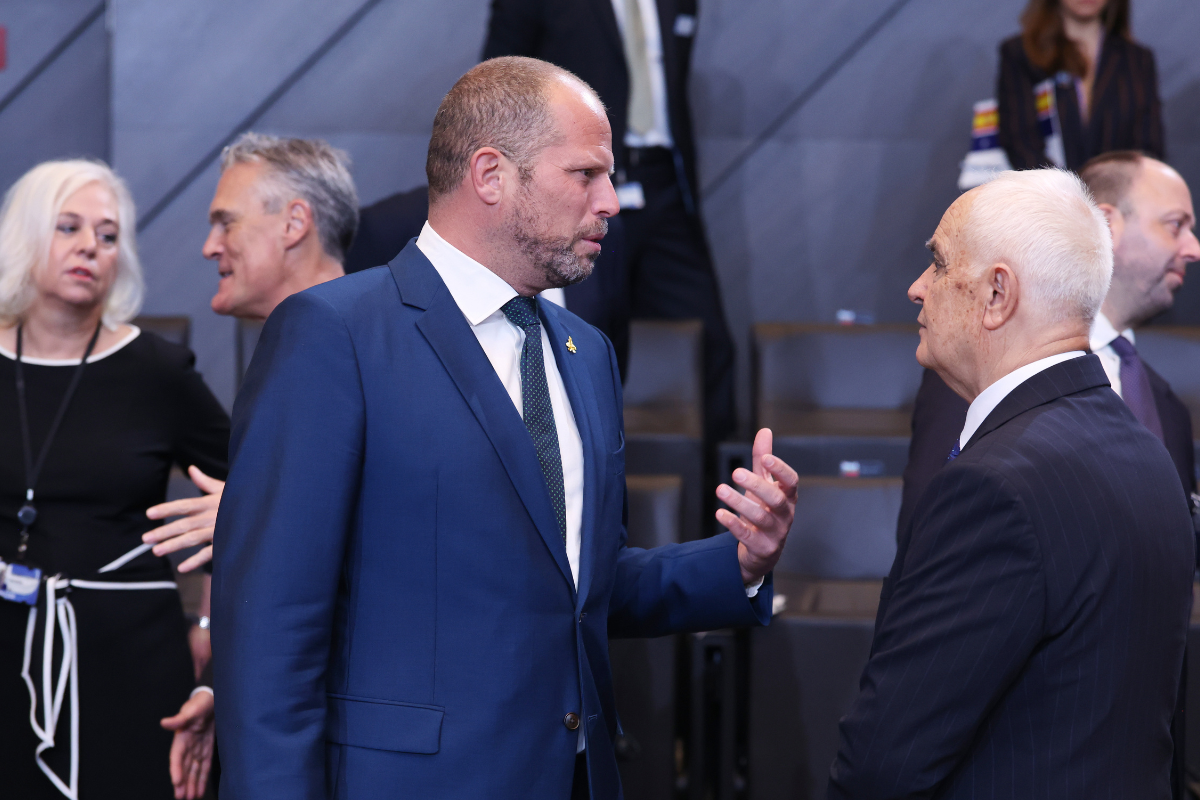
“I think that we need more counter-drone capabilities, and that’s what I’m suggesting,” Francken told reporters.
“I have a concrete plan. I will bring it to the table today and tomorrow for the Council of Ministers. We’re working it out with Defence. We are also internationally very engaged. We have a lot of good neighbours and neighbouring countries, NATO allies, and they’re all trying to help us out.”
Germany’s Rapid Response Units
On Nov. 7, Germany announced that it was establishing rapid response teams to counter drone activity, with a unit of specialists dispatched to Belgium following a recent spate of incidents.
“These anti-drone units are being established right now,” Lieutenant General Alexander Sollfrank, who heads Germany’s joint operations command and oversees defence planning, said.
Sollfrank would not go into detail about the units, but said they have “various systems to spot and counter drones. We have the option, for example, to assume control over a drone and land it at a specific location.”
The announcement came after the German delegation at NATO confirmed that the first German Air Force advance units had arrived in Belgium “to assess the situation and coordinate the temporary deployment of drone detection and defence capabilities with the Belgian Armed Forces. The main force will follow shortly.”
“The deployment underlines our close cooperation in the Alliance and the solidarity of European partners in dealing with hybrid threats,” the delegation said in a post on X on Nov. 6.
European nations pledging to support each other with air defense comes amid a rising number of reported incidents of drones flying over their airspace, starting in early September over Poland, prompting NATO to strengthen its defenses on the security bloc’s eastern frontier.
Last month, the European Commission (EC) said Europe must prepare to combat new forms of warfare, including sabotage of undersea cables, cyberattacks, and drone incursions, which EC President Ursula von der Leyen labeled as “hybrid warfare.”
On Oct. 16, von der Leyen unveiled proposals for four flagship defense projects, including a drone wall and fortification of Europe’s eastern border, as part of measures to boost defense by 2030.
Reuters contributed to this report.
 Friends Read Free
Copy
Facebook
Tweet
Friends Read Free
Copy
Facebook
Tweet