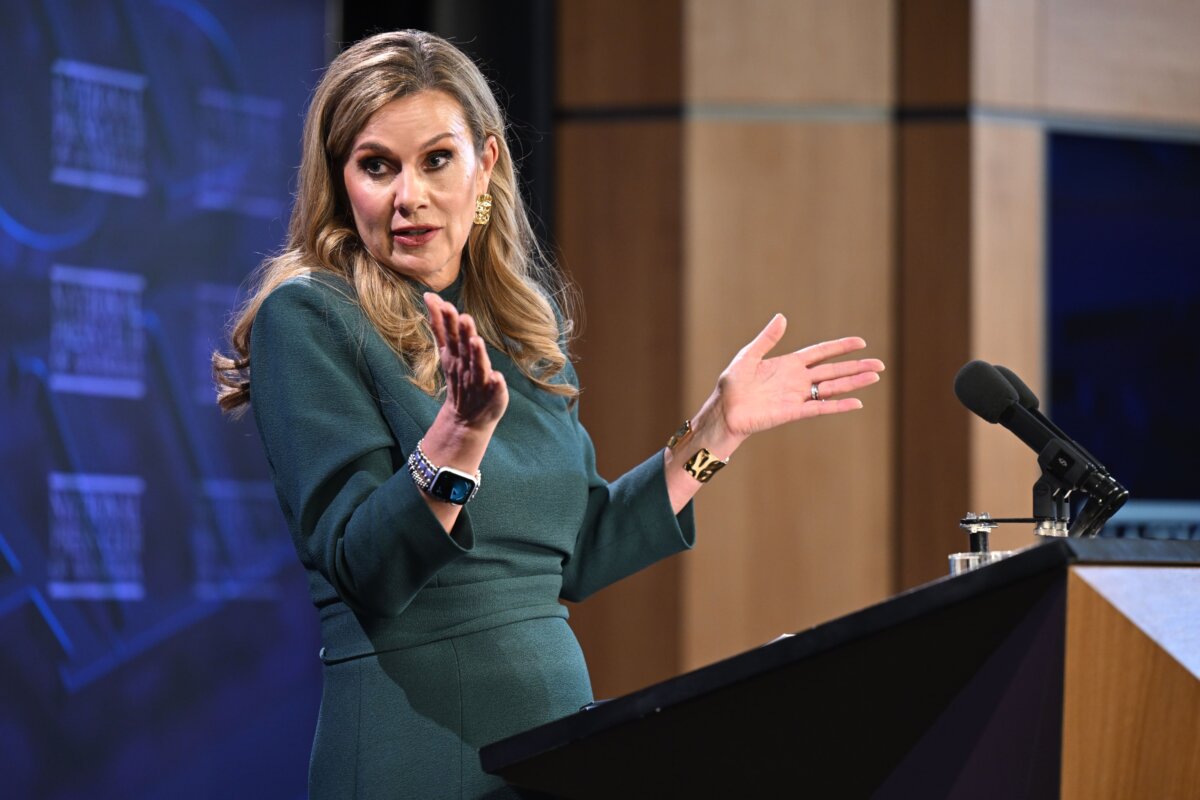

eSafety Commissioner Julie Inman Grant has registered six new industry codes to regulate online content and services in Australia.
They cover social media services, app distribution services, hosting services, internet carriage services, equipment providers, and search engine services, as well as AI chatbots.
The codes will come into force on March 9, 2026.
Under Australia’s Online Safety Act 2021, Inman Grant has the power to approve and register these new codes to complement the under-16 social media ban.
“The codes will provide complementary protections to the social media minimum age obligation, which will apply only to age-restricted social media platforms when it takes effect in December,” the eSafety commissioner stated in a release.
The social media services code confirms that platforms will need to verify a user’s age to stop access to online pornography and self-harm.
“A service provider must, where technically feasible and reasonably practicable, implement: (a) appropriate age assurance measures; and (b) access control measures, before providing access to online pornography and/or self-harm material,” the code states (pdf).
Further, it highlights how social media services must implement “compliance measures” for AI companion chatbot features.
The eSafety commissioner argued these codes would take on AI chatbots that engage in sexually explicit conversations with Australian kids.
“We’ve been concerned about these chatbots for a while now and have heard anecdotal reports of children—some as young as 10 years of age—spending up to 5 hours per day conversing, at times sexually, with AI companions,” Inman Grant said.
“We know there has been a recent proliferation of these apps online and that many of them are free, accessible to children, and advertised on mainstream services, so it’s important these codes include measures to protect children from them.”
Inman Grant said as with other forms of online pornography, there was a danger that excessive, sexualised engagement with AI companions could interfere with children’s social and emotional development.
Shadow Communications Minister Calls for Investigation
Meanwhile, Shadow Communications Minister Melissa McIntosh has raised concerns about the powers of the eSafety commissioner in light of the upcoming social media ban and recent age assurance trial.
McIntosh called for the role to be investigated just a day before six new industry codes were released.
She raised concerns about the fine balance between protecting kids from harmful content and Australians’ right to choose not to use a digital ID.
“I probably didn’t realise until I came into this portfolio, the power that an unelected official in the eSafety Commissioner has on all of this,” McIntosh said on Sky News Australia on Sept 8.
She said that although the Coalition backed the introduction of an eSafety commissioner in 2021, it may be time to review that approach.
“I think that it’s time … this was a government, a Coalition government policy and position. I think it’s time that we re-look at that. Times are changed,” she said.
“But on this particular issue, there’s concerns around you know, adults should have the choice—you know, we don’t want to use digital ID. But we want to protect our children. It’s such a fine balance, but such an important balance. How else could you police it? How else could you implement it?”
McIntosh also raised concerns about the possibility of every Australian needing to have an account to search on the internet.
“And if you don’t have an account, certain search options won’t be shown. And this is what made me start questioning the powers of an unelected official,” she said.
“I would like us to have some sort of investigation inquiry into the powers the eSafety Commissioner, and whether it’s fit for purpose as things move along.”
Communications Minister Anika Wells recently told Sky News Australia the tech platforms are some of the “richest companies in the world” and argued in favour of regulation.
“They’re at the forefront of AI. They have incredibly sophisticated geo-blocking technology data use to further their own commercial interests,” she said.
“And I think it’s reasonable for Australians to say, if you want to conduct business on our shores, you need to use that same tech and that same data to do more to protect Australians online.
 Friends Read Free
Copy
Facebook
Tweet
Friends Read Free
Copy
Facebook
Tweet