
The European Union adopted its largest-ever tranche of sanctions against Russia since 2022 on Monday.
A total of 1,569 individuals and entities in Russia’s military and industrial complex were targeted in this latest round of sanctions, which the Council of the European Union, which makes the EU’s laws, said were introduced in response to Moscow’s “continued and escalating aggression against Ukraine.”
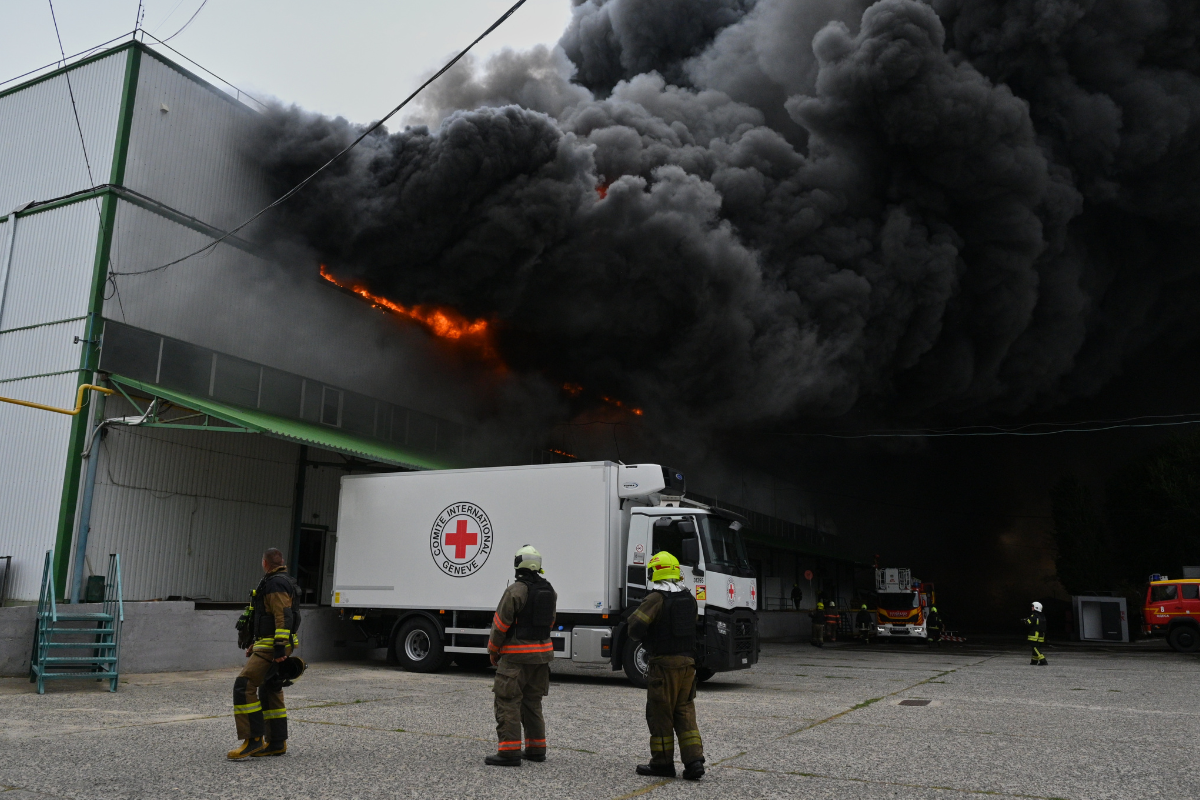
The 27-nation bloc particularly cited Russia’s “recent brutal military campaign deliberately targeting civilian infrastructure and causing severe suffering to the civilian population,” in a statement announcing the sanctions.
EU foreign policy chief Kaja Kallas said that more than half of the restrictions target the production chain of “ballistic missiles Russia uses to kill Ukrainian civilians every day.”
“Bombing Kyiv’s bridges, ships transporting grain, and the National Academy of Sciences are not the actions of a country seeking peace,” she said, adding that it is not the time to ease pressure on the Kremlin, but to ramp it up.
European Council President Antonio Costa said in an Oct. 12 post on X that the move marked “the largest single expansion of our sanctions list since Russia launched its full-scale invasion of Ukraine.”
“Russia’s actions will not weaken our resolve. We will continue to step up the pressure until Russia comes to the negotiating table and demonstrates a genuine commitment to ending the war,” he added.
The sanctions target 826 Russian companies and 743 individuals who serve as their CEOs.
Those listed will now have their assets in the EU frozen and be prohibited from receiving funds or economic support from entities within the bloc.
In addition, the individuals named are now banned from entering any of the EU’s 27 member states.
Brussels said that the package was specifically targeting “mid-level suppliers” that represent the “core” of Moscow’s military industry, adding that the companies generate an annual turnover of at least 20 billion euros ($22 billion) and provide jobs for more than 250,000 people.
The companies hit by the sanctions were described as “suppliers of key components,” such as semiconductors, radars, explosives, and ammunition, to some of Russia’s “most advanced weapons systems”, including missiles, drones, and aircraft, the EU said.
The measures were adopted at a meeting of EU foreign ministers in Luxembourg on Oct. 12
In addition, the ministers also adopted restrictive measures against 77 individuals involved in September’s elections to the Russian State Duma (parliament), which were held in Russian-occupied areas of Ukraine.
Of those 77, 74 were candidates who stood in the elections, which the EU considers illegal, and the remaining trio were members of Russia’s Central Election Commission who organized the vote.
The 77 are subject to the same restrictions as the CEOs sanctioned in the round targeting Russia’s military-industrial complex.
The sanctions were welcomed by Ukrainian President Volodymyr Zelenskyy, who said in an Oct. 12 post on X that more pressure on Russian entities, particularly those involved in ballistic missile and “Shahed” production, is the right and indispensable signal “if we are serious about ending Russia’s war.”
Moscow has not yet publicly commented on the latest sanctions package. The Epoch Times contacted the Russian Ministry of Foreign Affairs for comment but did not receive a response by the time of publication.
The same day, the EU also adopted sanctions against three individuals and four entities in North Korea to target the country’s nuclear and ballistic missile activities, which Brussels said were linked to growing military and economic cooperation between Pyongyang and Moscow.
This cooperation included the deployment of North Korean troops and workers to Russia, commercial and industrial cooperation, and an “arms-for-oil” trade, the council said in a statement.
 Friends Read Free
Copy
Facebook
Tweet
Friends Read Free
Copy
Facebook
Tweet