The European Union has struck a new free trade deal with the Philippines as it seeks to diversify its economy amid tensions with long-standing major trading partners, including the United States, Russia, and China.
The EU’s top trade negotiator, Maros Sefcovic, said that the deal, announced Tuesday, is intended to grow the nearly 30 billion euros (around $35 billion) of annual trade between the south-east Asian nation of 115 million people and the 27-nation bloc.
“It also delivers stronger, more diversified supply chains at the moment when resilience has become a strategic priority,” Sefcovic said of the latest bilateral agreement struck by the EU, the world’s largest trading bloc, representing a market of around 452 million people.
The trade deal is dominated by electronics, with the EU importing semiconductors, integrated circuits, and industrial machinery manufactured in the Philippines, while exporting its aircraft, pharmaceuticals, and pork.
Third Deal With ASEAN Country
The agreement was negotiated with Philippine Secretary of Trade and Industry María Cristina Aldeguer-Roque, with the south-east Asian country becoming the third from the ASEAN bloc, following Vietnam and Singapore, to sign a bilateral trade deal with Brussels.
Negotiations continue between the European Commission and Indonesia, Malaysia, and Thailand to reach a similar deal, while a larger free-trade agreement between the EU and ASEAN as a bloc is hoped for in the long term.
“There is a bigger picture here too,” Sefcovic said. “This agreement sends a clear signal that the EU is reinforcing its engagement with the Indo-Pacific.”
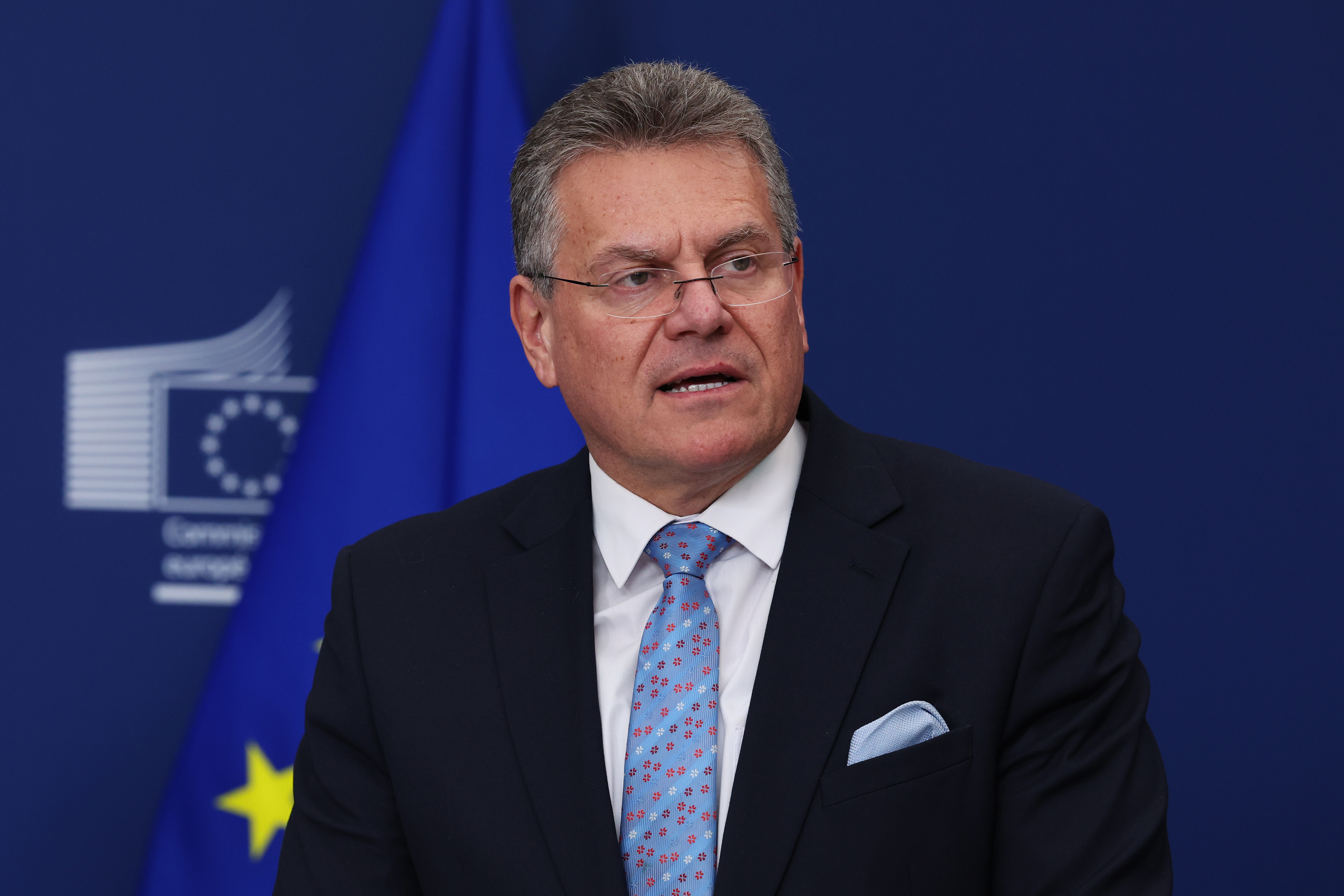 European Commissioner for Trade Maros Sefcovic attends a press conference at the European Commission in Brussels, Belgium, on Jan. 7, 2026. (Omar Havana/Getty Images)
Trade Tariffs and Tensions
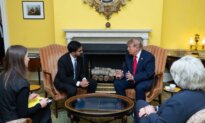
Since the start of U.S. President Donald Trump’s second term in January 2025, Brussels has faced heightened tensions with Washington, particularly over trade tariffs.
While the EU reached a trade agreement with the United States in July 2025, the deal left most EU exports subject to a 15 percent tariff ceiling, while Washington retained tariffs of up to 50 percent on steel and aluminum.
Under the agreement, the EU eliminated tariffs on U.S. industrial goods and granted additional market access to certain American agricultural products. Concern remains in Brussels about the impact of U.S. tariffs on European exporters and the possibility of further measures, with the arrangement including mechanisms that allow the EU to suspend concessions if Washington reneges on its commitments.
Trump threatened additional tariffs against several European nations earlier this year following a major dispute over his repeated calls for U.S. control of Greenland, an autonomous territory within the Kingdom of Denmark.
Although Trump later backed down following talks with NATO Secretary-General Mark Rutte, tensions between his administration and Brussels persist over the Iran war.
Relations between the EU and Russia have broken down since the Ukraine conflict escalated in 2022 following Moscow’s invasion. Brussels has hit Russia with repeated sanctions, including bans on buying gas and oil from the country, leading to sharply higher energy prices for EU citizens.
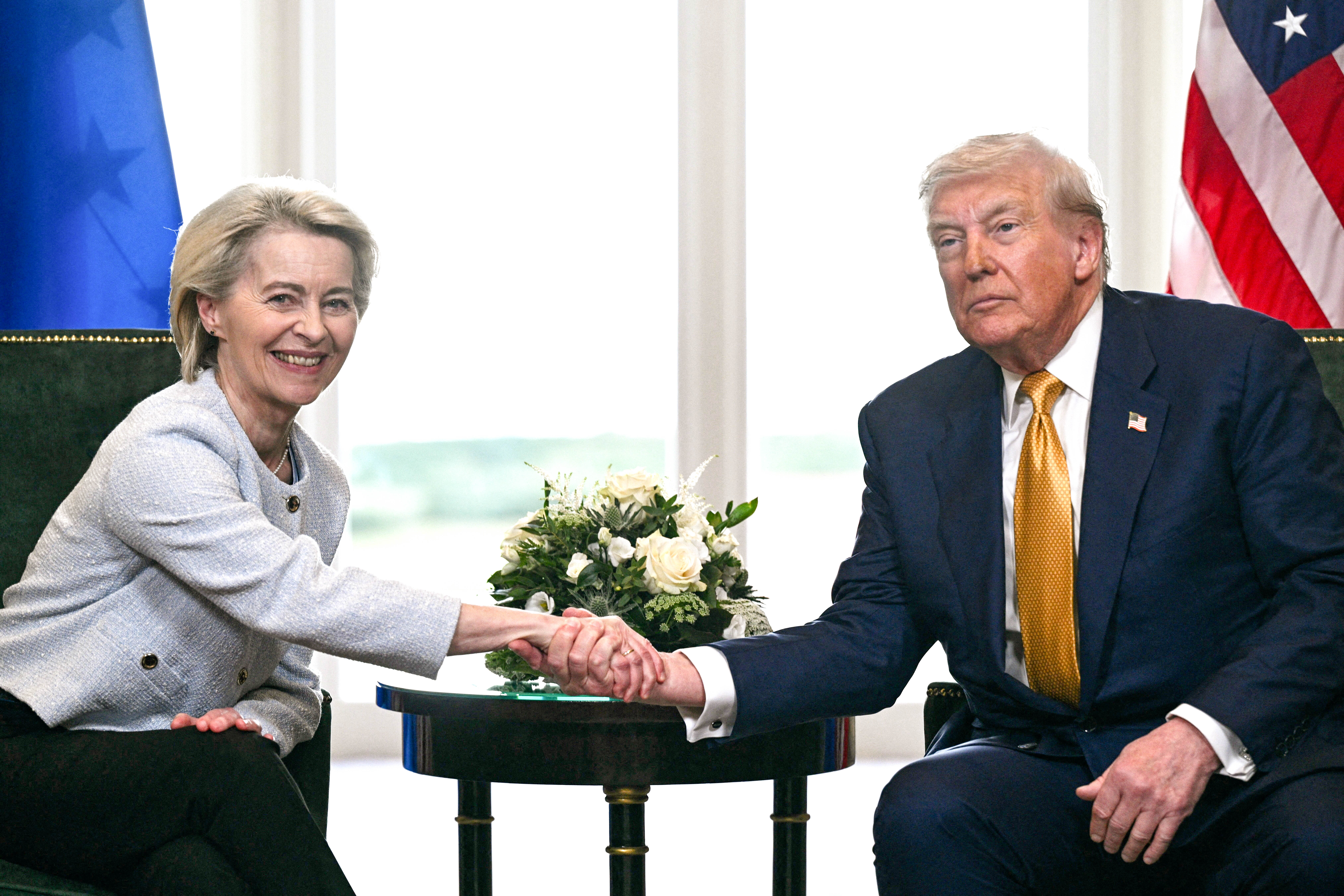 U.S. President Donald Trump shakes hands with European Commission President Ursula von der Leyen, in Turnberry, Scotland, on July 27, 2025. (Brendan Smialowski/AFP/Getty Images)
‘Middle Powers’ Strategy
Officials from EU countries have accused Russia of running hybrid attacks, such as cybersecurity hacks designed to disrupt critical infrastructure or misinformation campaigns, which Moscow has repeatedly denied, accusing Brussels of “Russophobia” or scapegoating the country.
Relations with Beijing remain tense, with China accused of running a vast trade deficit and operating a virtual monopoly on the supply of critical minerals. The EU is courting closer ties with countries including Brazil and Namibia in an effort to reduce its mineral dependence on China.
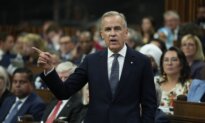
The EU deal with the Philippines broadly follows the “middle powers” strategy outlined by Canadian Prime Minister Mark Carney at the World Economic Forum in Davos earlier this year.
Carney called for countries such as Canada and European and Asian middle-ranking powers to reduce their dependence on the major powers by diversifying their trade and building closer economic and security partnerships with one another.
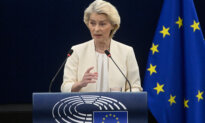
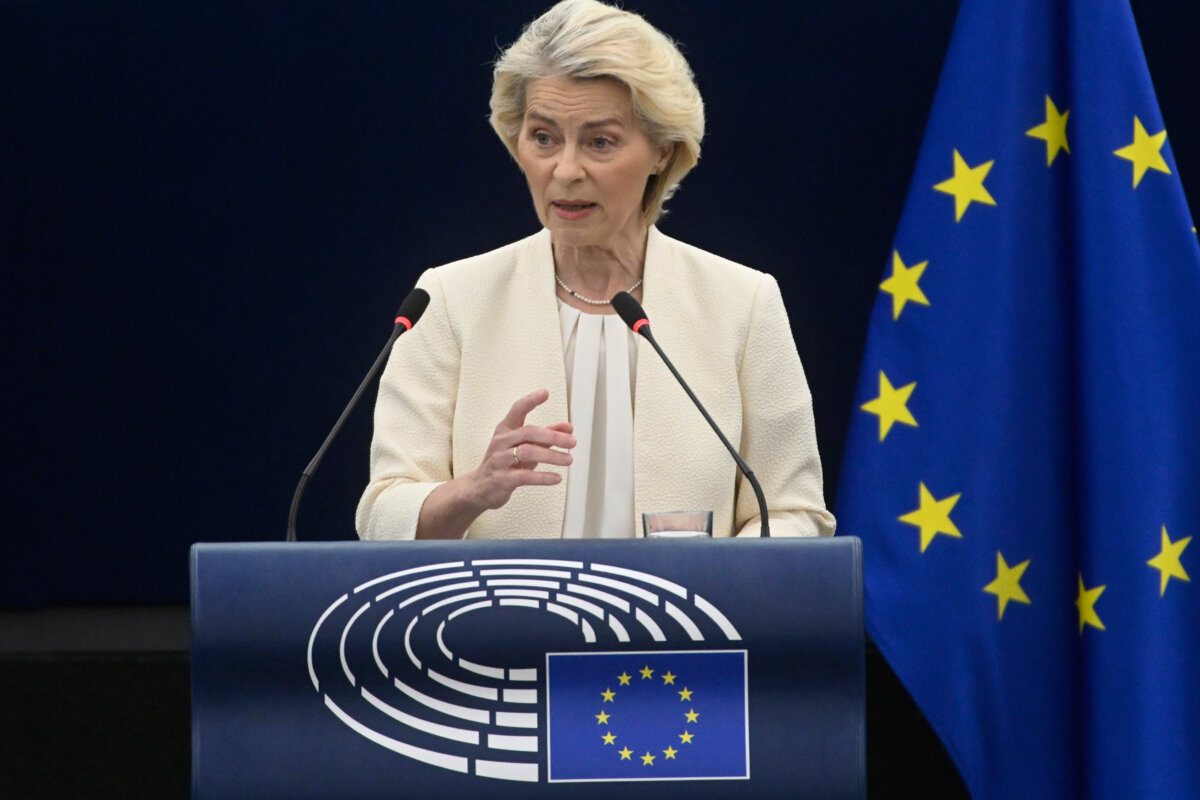
Carney was the guest of honor last week at the European Parliament in Strasbourg for the annual State of the European Union speech by European Commission President Ursula von der Leyen, who said the bloc would forge a new kind of “associated membership” for Canada.
“In this new world, we must urgently reimagine our partnerships,” von der Leyen, the EU’s top official, said during her speech.
The Associated Press contributed to this report.
 Friends Read Free
Copy
Facebook
Tweet
Friends Read Free
Copy
Facebook
Tweet