
European Union lawmakers on June 16 approved legislation implementing key parts of a trade agreement with the United States, clearing the way for lower tariffs on a broad range of U.S. goods.
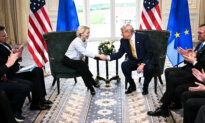
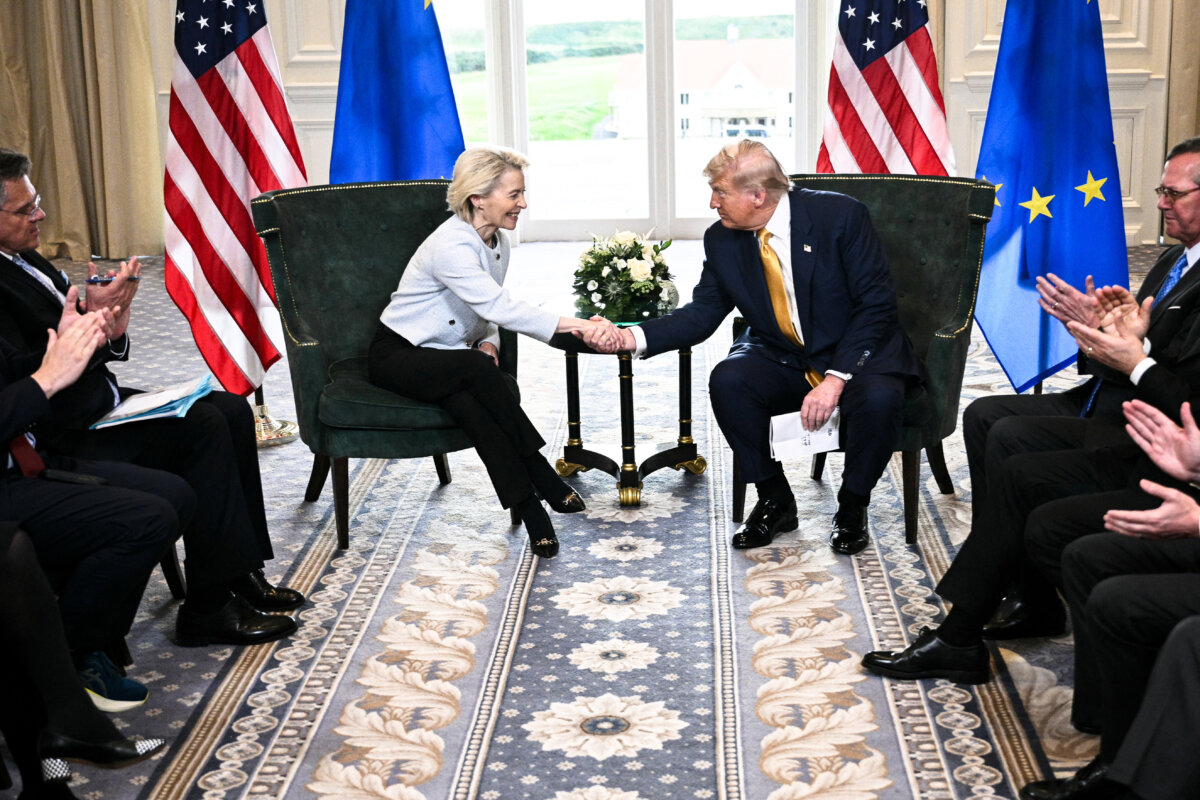
The European Parliament voted to approve two regulations tied to the EU–U.S. trade agreement reached by President Donald Trump and European Commission President Ursula von der Leyen in Turnberry, Scotland, in July 2025.
The main measure removes tariffs on U.S. industrial products and grants preferential access for a range of American agricultural and seafood exports. The legislation also extends tariff-free access for U.S. lobster imports and expands the arrangement to cover processed lobster products.
Von der Leyen welcomed the vote and said the bloc was fulfilling its commitments under the agreement.
“A deal is a deal—and the EU is delivering its part,” she said in a June 16 post on X.
Von der Leyen said the vote brought the EU closer to removing tariffs on imports of U.S. industrial goods and would help strengthen transatlantic trade and investment.
The EU’s rapporteur on EU–U.S. trade relations, Zeljana Zovko, said in a June 16 post on X that the deal “protects over 16 million jobs linked to the transatlantic economy” and “deepens the world’s most important economic partnership.”
According to EU data, trade in goods and services between the United States and the European Union exceeded 1.8 trillion euros (about $2.1 trillion) in 2025, with more than 4.9 billion euros (about $5.7 billion) in goods and services crossing the Atlantic daily.
The European Commission said investments by U.S. and European firms in each other’s markets surpassed 4.8 trillion euros (about $5.6 trillion) in 2024.
Safeguards Added
Members of Parliament and EU governments, following months of discussions, amended the original proposal to include a series of safeguards designed to protect European industries.
One provision includes a “sunset clause,” which would cause the main regulation to expire on Dec. 31, 2029, unless lawmakers decide to extend it.
Before that date, the European Commission must assess how the agreement has affected EU manufacturers, farmers, small businesses, and trade flows with other countries.
Lawmakers also strengthened provisions allowing the European Commission to suspend tariff preferences if the United States maintains elevated tariffs on certain steel and aluminum products.
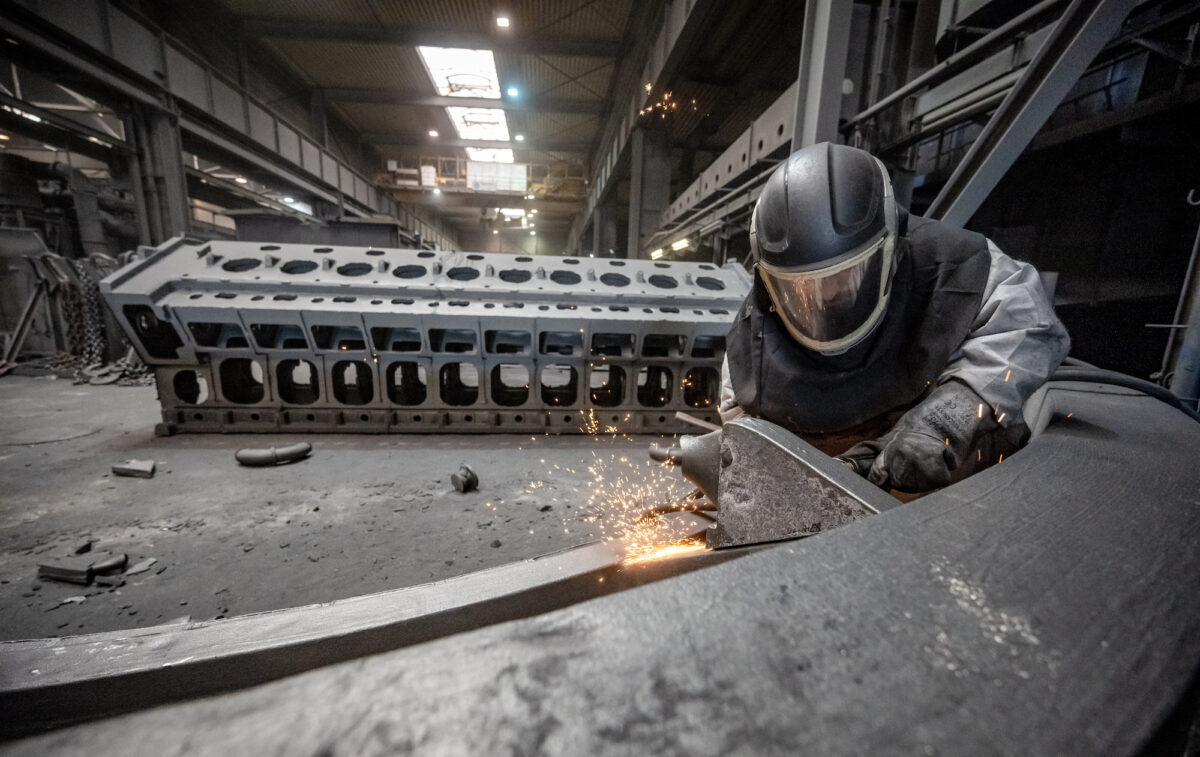
Under the final agreement, Brussels may suspend preferential treatment if Washington continues applying tariffs above 15 percent on EU steel and aluminum derivative products beyond Dec. 31, 2026.
The legislation also establishes a safeguard mechanism that allows the bloc to investigate whether increased imports from the United States are harming European industries, including agriculture.
If serious damage is found, the commission may take action to limit the impact.
Stronger Oversight
Bernd Lange, chair of the European Parliament’s International Trade Committee and the chamber’s lead lawmaker on U.S. trade issues, said Parliament had secured stronger protections than those initially proposed.
Lange said in a June 16 statement that the legislation would not only implement the trade agreement but also provide tools to respond if the United States failed to uphold its commitments.
“If the US side breaches either the letter or the spirit of the Turnberry agreement, Parliament will insist that the Commission makes full and timely use of every instrument provided by this regulation and the wider EU toolkit,” he said.
The parliamentary vote took place amid renewed trade tensions between Washington and some European governments.
On June 15, Trump threatened to impose a 100 percent tariff on French wine and champagne unless France removes its digital services tax on large American technology companies.
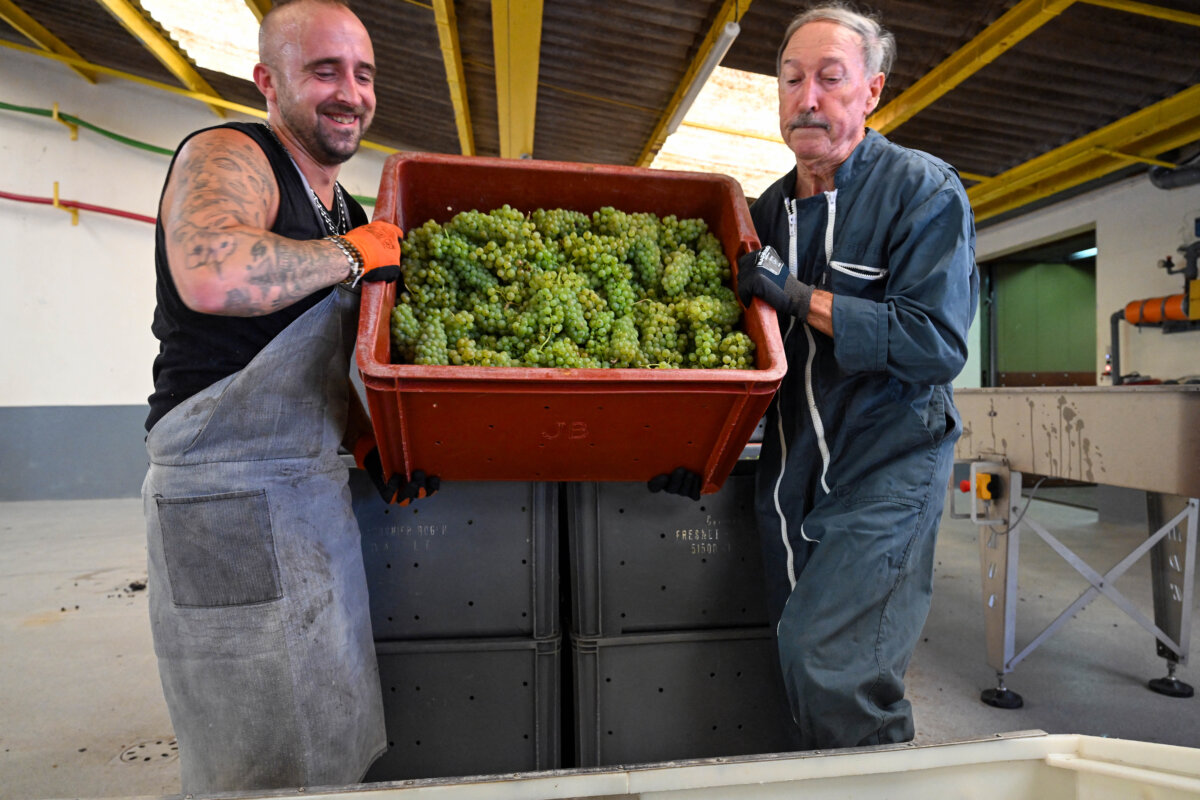
Trump said he had delivered the warning directly to French President Emmanuel Macron and demanded that Paris scrap its 3 percent levy on major U.S. technology firms.
 Friends Read Free
Copy
Facebook
Tweet
Friends Read Free
Copy
Facebook
Tweet