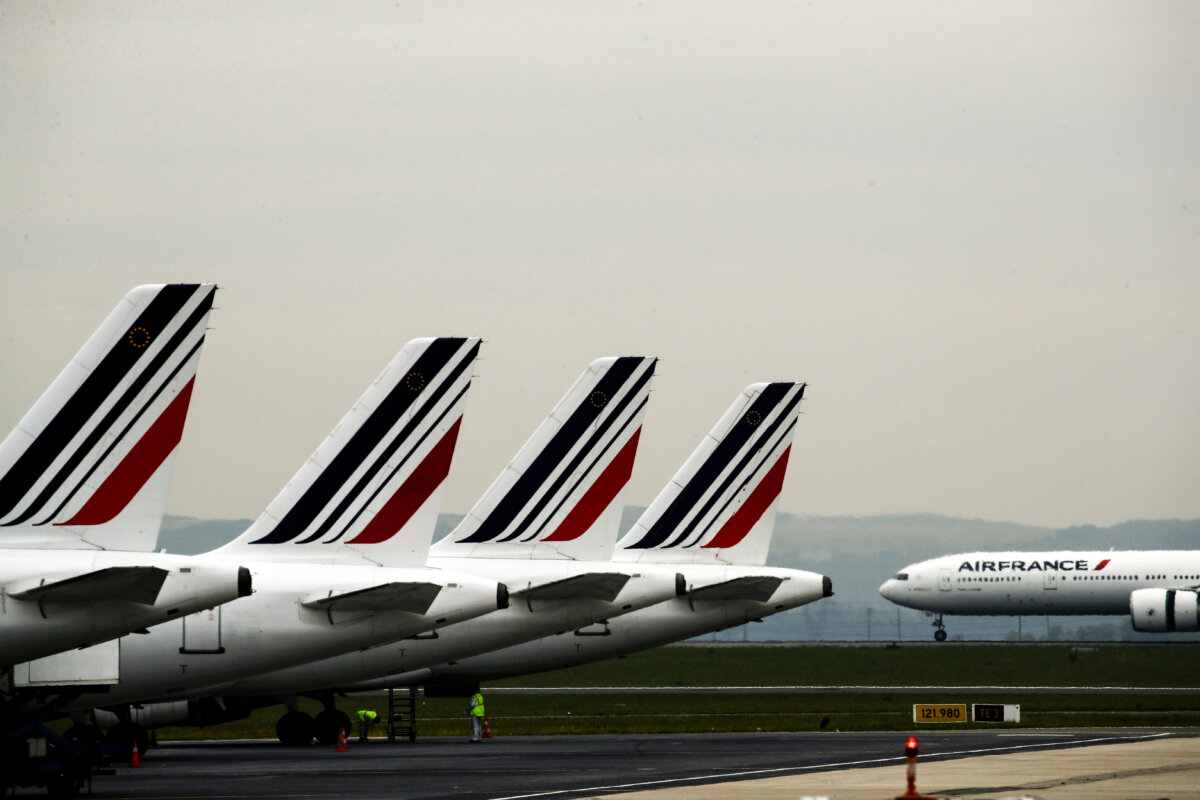

There are no signs of jet fuel shortages in Europe in the coming months despite the energy shock from the Iran War, though high prices are prompting airlines to cut uneconomic routes, the European Union’s transport commissioner, Apostolos Tzitzikostas, said in comments published on June 5.
His comments come as the Strait of Hormuz remains largely cut off, slashing oil supplies by about 14 million barrels per day, or around 14 percent of global demand, as a result of the U.S.–Israeli attack on Iran launched at the end of February.
The EU has so far weathered the three-month-long disruption, with the missing Middle Eastern oil, which accounts for about a fifth of its jet fuel imports, being largely covered by shipments from the United States and Nigeria.
“There is currently no jet fuel shortage in Europe. We have no signs that we will have a shortage in the coming period,” Tzitzikostas told Reuters, adding that regional airports were most at risk of becoming casualties of the ongoing fuel crisis.
His assessment of the situation facing small airports aligns with the April warning from Airports Council International (ACI) Europe, which said the spike in jet fuel prices could pose an “existential threat” to regional hubs across the continent.
Europe’s central concern is the spike in kerosene prices, with the International Air Transport Association (IATA) saying jet fuel (which is kerosene-based) accounts for 25–30 percent of airlines’ operating costs.
“This is why we see that some airlines are choosing to cancel some of their routes that didn’t make any economic sense,” Tzitzikostas said.
Passengers may not feel the full impact of higher ticket prices until later this year, or even the next, as airlines’ fuel hedges expire, with the EU transport chief calling the situation “very different airline to airline”.
The benchmark Brent Crude oil price was hovering around $95 per barrel on June 5, well down from earlier spikes above $126 per barrel but significantly higher than the pre-war price of around $70 per barrel.
Some analysts, including those at investment bank Goldman Sachs, expect the cost to remain in the $90-per-barrel range for the foreseeable future, and Tzitzikostas said the situation would be “very difficult” toward the end of the year if Middle Eastern supplies remained disrupted.
“It’s critical that the war stops and that the Strait of Hormuz opens, and this needs to happen as soon as possible,” he said, though he added that the EU is “prepared,” with member states having emergency stocks and the European Commission, which acts as the bloc’s executive branch, ready to coordinate any required releases.
However, he also warned that the ongoing closure of the vital shipping artery may not only affect fuel prices but could, if left unresolved, possibly spark a “global recession.”
Tzitzikostas’s view aligns with the EU’s energy commissioner’s opinion, expressed on May 13, that while there isn’t a risk to jet fuel supply now, there are no guarantees the bloc won’t face shortages in the longer term.
Commissioner Dan Jorgensen said that Brussels doesn’t “expect a very serious security of supply issue in the very short term,” but added that it “cannot exclude that there will be security of supply issues in a longer term.”
Jorgensen further said that the scale of the crisis would depend on how airlines react to the situation, going forward.
Some European airlines have already cut flights, with German flag-carrier Lufthansa announcing it would cut 20,000 short-haul flights from its summer schedule in April because of the rising cost of jet fuel, which it said had “doubled since the outbreak of the Iran conflict.”
British budget airline EasyJet, which recorded a first-half loss of 552 million pounds ($741.39 million) on May 21, also said the future looked “uncertain”.
Irish budget carrier Ryanair, however, struck a different tone in May, with the airline’s boss, Michael O’Leary, telling the Financial Times that he had “almost zero concerns about fuel supplies across Europe” for the summer.
“There was a real concern about a month, two months ago,” he said. But he predicted that increased supplies from the United States, West Africa, and Norway, combined with some airlines in central Europe taking fuel from Russia, would mean the jet fuel supply to the continent would now be fine.
Reuters contributed to this report.
 Friends Read Free
Copy
Facebook
Tweet
Friends Read Free
Copy
Facebook
Tweet