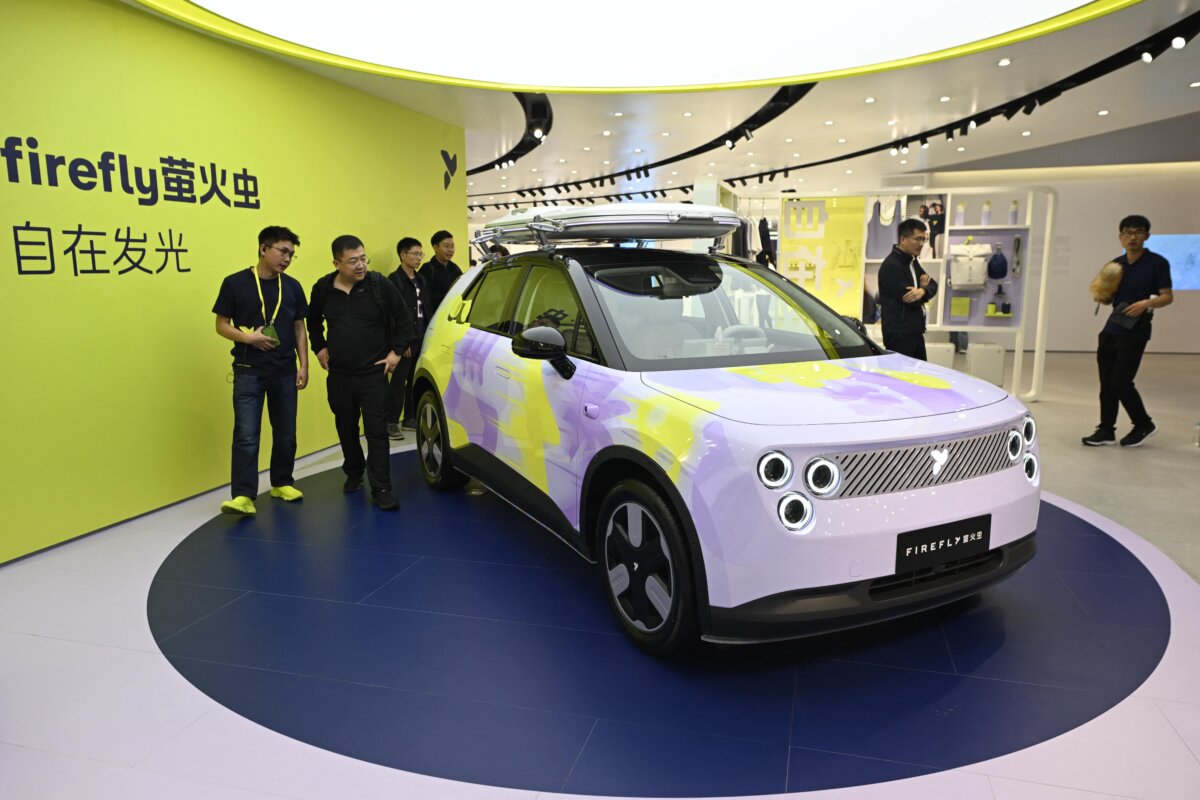

A small, relatively inexpensive electric hatchback has been approved for sale in Australia and is likely to become available as early as October. The Nio Firefly measures about four metres long, 1,780 mm wide and 1,560 mm high, making it a similar size to a Mazda 2 and slightly smaller than the BYD Dolphin and MG4.
Manufactured in China, where it costs around $32,000, it is likely to sell in Australia for less than $40,000.
One feature likely to have considerable appeal for potential owners is its inclusion of Nio’s battery swap technology, which allows owners to replace the battery with a spare when it has run low, rather than waiting for it to charge.
The manufacturer says this will take about the same time as refilling a petrol or diesel vehicle—around five minutes.
There’s only one problem: the process can’t be done at the roadside by the owner, but needs a battery swap station, none of which currently exist in Australia.
Nio has built 3,300 of these in China, where a driver simply stands and watches a staff member drives his car onto a platform with an integrated system that removes the depleted battery from beneath the car and loads in a fresh one.
Despite not being widely known, battery swap technology isn’t new. It’s just that, until now, it has mainly been confined to larger vehicles—close to half of the electric heavy-duty trucks sold in China in 2023 were equipped with battery-swap technology.
The approval documents show two Firefly variants will be offered in Australia.
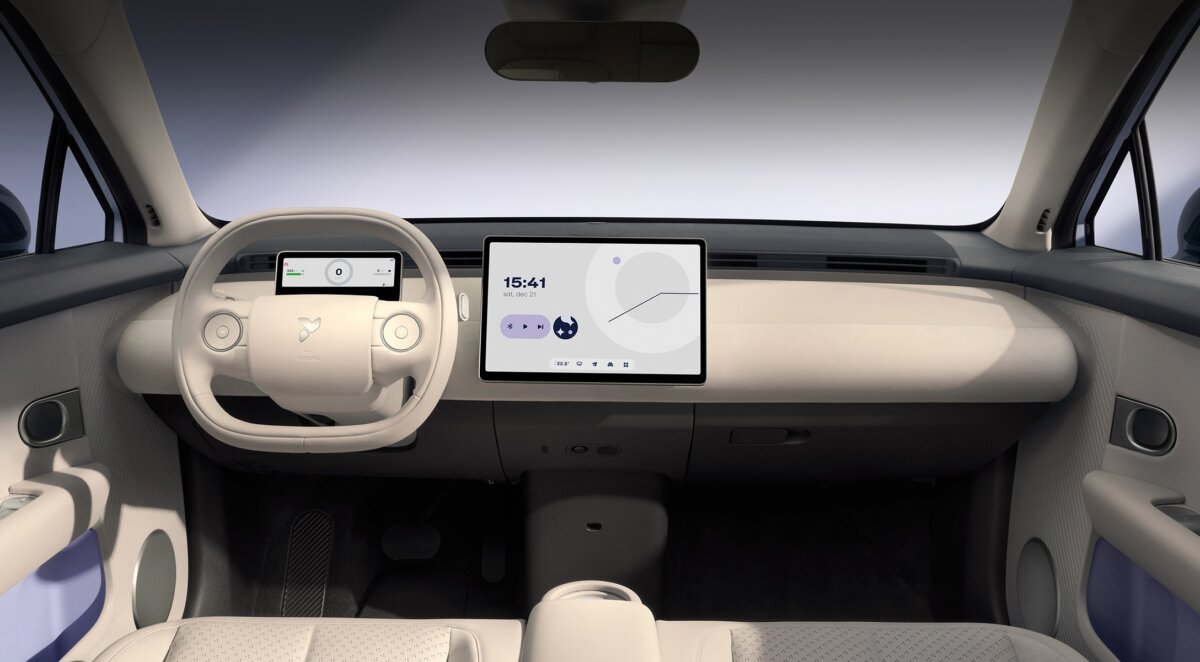
A single electric motor that makes 105kW and 200Nm is fed by a 42kWh lithium iron phosphate (LFP) battery that provides a driving range of up to 330 kilometres. LFP batteries are low cost, have high safety, low toxicity (containing no cobalt), and a long cycle life.
It uses 14.5 kWh per 100 kilometres driven, and offers 100 kW DC charging for a 10 to 80 percent charge in 29 minutes, as well as either 7 or 11 kW AC charging with a vehicle-to-load (V2L) feature that allows an electric vehicle to act as a mobile power source, supplying electricity from its battery to external appliances, electronics, or even another EV.
As yet there are no details on where and how it will be sold, but approval details suggest that the Nio operation will be factory-backed with approval holders and contact information attributed to the head office in Shanghai.
That means it’s likely that Nio will follow a similar model to brands such as Chery and Geely, and launch via multi-franchise dealerships in capital cities.
Nio has announced it plans to expand into Europe and other right-hand drive markets, such as Singapore and the UK, meaning it was a logical step to enter the Australian market at around the same time.
 Friends Read Free
Copy
Facebook
Tweet
Friends Read Free
Copy
Facebook
Tweet