
The Liberal government tabled its spring fiscal update on April 28, and it contains billions in new spending along with non-budgetary measures such as giving police the power to intercept mail.
With a newly gained majority, the Liberal government will face no obstacle to pass the budget.
Here are some takeaways from the Spring Economic Update.
Deficit Update
The update provides a more optimistic short-term deficit outlook compared to Budget 2025, stating that the projected deficit for 2025–26 will be $66.9 billion rather than the $78.3 billion projected in last November’s budget. The reduction is due in part to increased revenues from surging oil prices.
The update also includes $37.5 billion of new expenditure on newly announced measures.
The government says it is prioritizing financing for investments to stimulate the economy while aiming to eliminate the operating deficit. The update doesn’t include a projection for an overall balanced budget, with annual deficits projected to exceed $50 billion every year through 2031.
The update shows deficits gradually decreasing over time, from the mid-$60 billion range in 2025–26 down to the low-$50 billion range by 2030–31, along with a net debt-to-GDP ratio of 10.2 percent.

New Measures
The government says 45 percent of the $37.5 billion in new spending will be for measures that address housing shortages and the cost of living.
A central new initiative formally proposed in the update is the Canada Strong Fund, the country’s first sovereign wealth fund that was first announced on April 27. The fund is meant to enable strategic projects and will be seeded with $25 billion from the government. The plan does not specify where that seed money will come from, nor how Canadians will be able to take part.
The update also proposes establishing a Financial Crimes Agency, banning cryptocurrency ATMs, and increasing oversight and monitoring of money services businesses with the stated goal of cracking down on money laundering and financial crime.
The government also included new funds to tackle financial crimes, including extortion, which have become a serious problem in some communities in British Columbia, Ontario, and Alberta.
Other proposals include $755 million in funding to grow access to sports and support Canadian athletes, with some of the funding going to community infrastructure and various indigenous programs.
The update also reiterated a number of previously announced funding promises and several new ones amounting to $4.3 billion in additional funding for indigenous education, health, housing, food security, and child welfare.
New Legislation
The fiscal update is not only a fiscal document. It also announces upcoming legislative changes the Liberal government intends to make in other fields, which will come later through the tabling of a bill in the House of Commons.
The update says the government intends to give law enforcement more powers for searching and seizing mail. This would come through an amendment of the Canada Post Corporation Act.

The Liberals first attempted to provide this new provision with the tabling of Bill C-2, the Strong Borders Act, in June 2025. The bill received pushback from opposition parties and civil liberties groups and was subsequently split in two, with the government only passing measures related to border security originally contained in the bill through another bill, Bill C-12, while putting the other controversial items on hold to be pursued through another bill.
Another legislative measure proposed in the fiscal update would give Ottawa access to airport data. Once the upcoming fiscal update bill passes, the minister of transport will be able to require that all aerodrome operators and associated third parties provide “any information necessary for the development and administration of transportation policy.”
The update also plans to formalize the Defence Investment Agency as a departmental agency under a minister. It is currently under a secretary of state. With legislative amendment, the minister overseeing the department will have increased authority over finances and transactions.
Focus on Skilled Trades
The update has strong emphasis on recruiting and training skilled trades professionals, saying the government plans to train up to 100,000 workers by 2030–31 and incentivize employers to hire apprentices.
The government says having more skilled trades will facilitate housing and infrastructure development and construction, and says the initiative is needed because of an expected shortage of trades workers.

The update also mentions closer integration of translating trade certification between military and civilian life, promising that it will be put into “one process: faster and simpler.”
Ottawa has costed the program at roughly $6 billion over six years, including $3.4 billion to fund a training grant of up to $400 per week for apprentices during their training, and provide one-time $5,000 bonuses to apprentices who obtain certification in a Red Seal trade. The government is also offering a first-year wage subsidy of up to $10,000 to employers who take on apprentices.
Another $331 million of the funding projection will modernize apprenticeship training to reduce certification delays, introduce online exams, and expand union-run training centres.
Opposition Reaction and Liberals’ Position
Conservative Leader Pierre Poilievre thanked the government for making the disability tax credit simpler to apply for, but criticized the update as “more costly credit card budgeting” that “will further inflate the cost of living for hardworking Canadians.”
In the House of Commons, Poilievre accused Carney of outspending former Prime Minister Justin Trudeau. He said this update outlines a plan that will benefit people with connections to the government but leaves regular people behind.
He said the update is a form of “credit card budgeting” that shifts the bill to future generations.
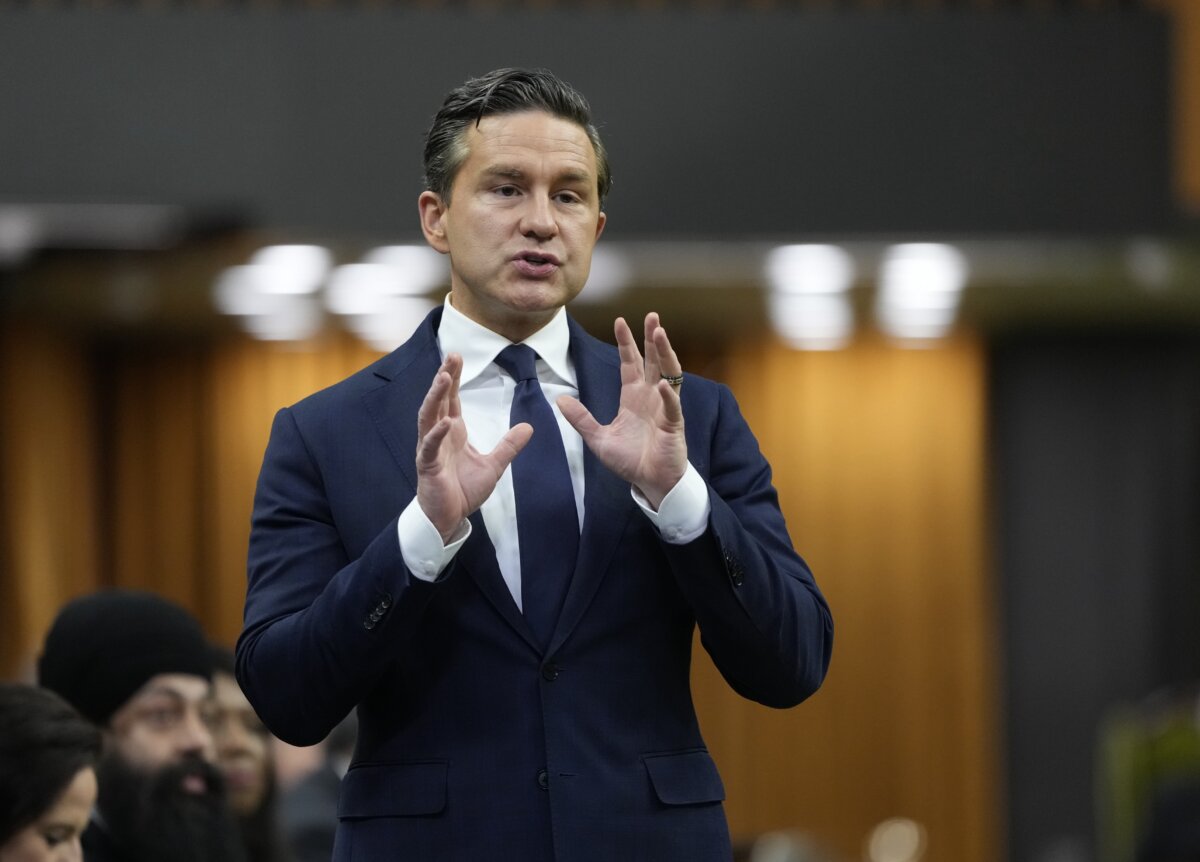
Poilievre sent a letter to Carney April 26 requesting a plan to balance the budget and for the deficit to be capped at $31 billion, the figure previously set by Trudeau in 2024.
Bloc Québécois Leader Yves-François Blanchet said the spring economic update failed to address concerns over U.S. tariffs affecting steel and aluminum manufacturers.
NDP Leader Avi Lewis offered qualified support to what he called a “promising” plan to boost skilled trades, but said that unions and organized labour should be more involved.
Lewis said the update put corporate interests over the “crisis” facing Canadians in terms of the cost of living and made no significant effort to grow revenues from Canada’s most profitable corporations.
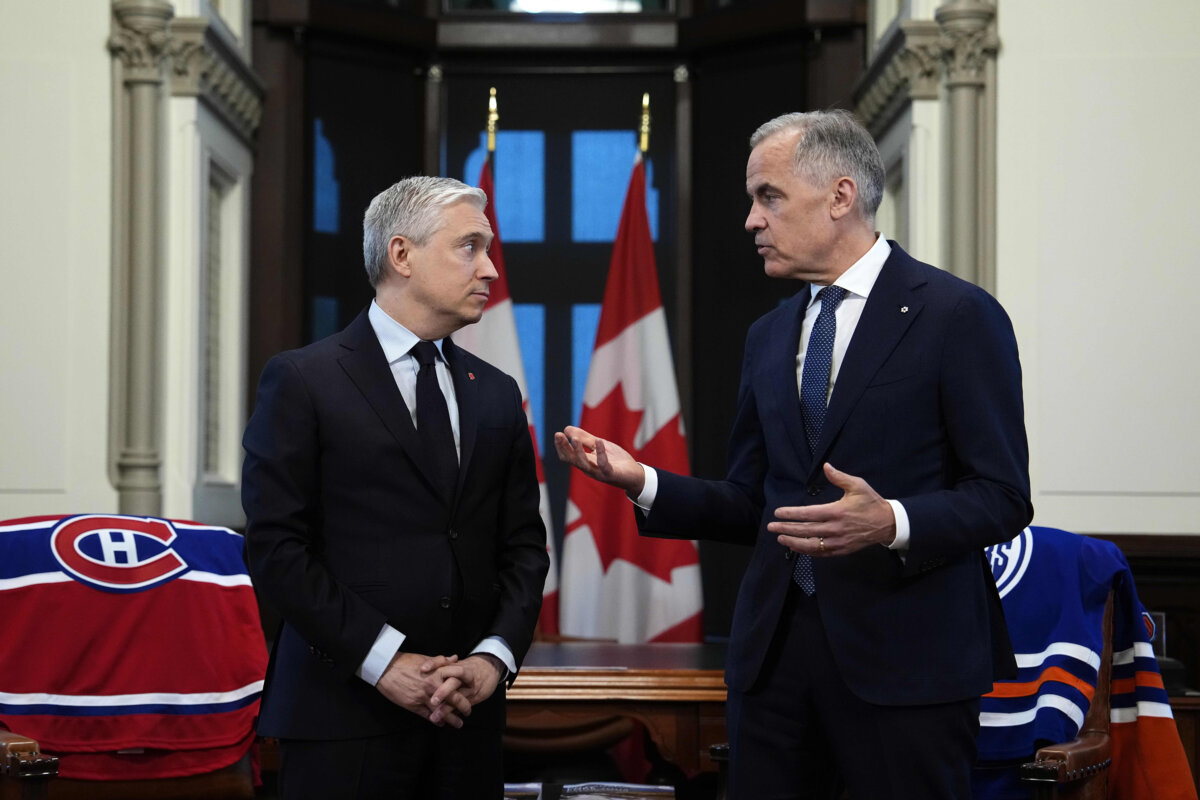
Finance Minister François-Philippe Champagne, for his part, said in the House of Commons that the government has the “right plan” to build a “strong” Canada.
Carney said the country’s fiscal position is strong, and that his government will use this to “build big, bring down your costs, and create more opportunities for Canadians.”
 Friends Read Free
Copy
Facebook
Tweet
Friends Read Free
Copy
Facebook
Tweet