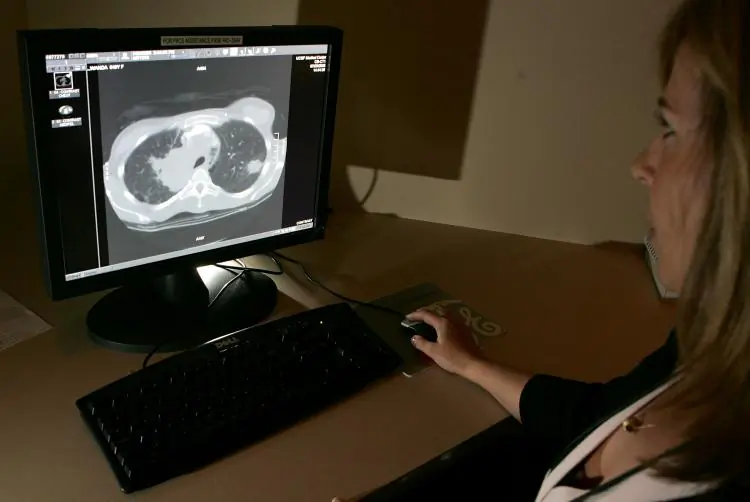

Canada will see more than 254,000 new cancer cases and 88,000 cancer deaths this year, while four types of cancer are projected to increase in the coming years, the Canadian Medical Association Journal said in a new report.
The paper, published April 13 by the Canadian Cancer Statistics Advisory Committee, projects lung cancer, breast cancer, prostate cancer, and colorectal cancer will account for around 47 percent of new cancer cases this year.
While overall age-standardized death rates are projected to fall due to progress in treatment methods, the study identifies “concerning trends” indicating a forecast increase in various cancers of the head and neck.
Leading Cause of Death
The study notes that cancer remains the leading cause of death in Canada, with “major health and economic impacts” on the population.
It also found that certain cancer rates are going up despite prevention efforts, including melanoma, cervical cancer, neck and head cancers, pancreatic cancer, and uterine cancer.
“These findings suggest that continued investment and diligence are needed to continue the major progress in cancer control in the face of changing population demographics,” the study states. It adds that the rise in pancreatic and uterine cancers may also be tied to increasing obesity and the effect of “excess body size and related biological mechanisms, including insulin resistance, on cancer development.”
The study finds that cervical and neck and head cancers are closely tied to human papillomavirus (HPV) infection, which is generally preventable via vaccination. It argues that Canada’s HPV vaccination rates should be increased.
According to federal data from 2023, 76 percent of Canadian 14-year-olds had received at least one HPV vaccine, while 67 percent had received both doses.
Lung Cancer
Lung cancer is the most prevalent type of cancer death in Canada and is projected to account for about 20 percent of cancer-related deaths this year, according to the report.
This form of cancer is increasingly impacting women, with 2026 expected to see more women diagnosed with lung cancer than men, a reversal of earlier trends.
“A higher proportion of lung cancers among females than males are not explained by tobacco consumption, suggesting that additional exposures — including lifestyle factors, radon and air pollution — may need to be addressed to further reduce incidence of lung cancer,” researchers write.
Colorectal Cancer
Colorectal cancer is projected to remain the second-highest cause of cancer deaths this year. While the study finds overall rates have gone down since the early 2000s due to more effective screening and colonoscopies, it is being increasingly diagnosed in younger adults.
Breast cancer also continues to be one of the most commonly diagnosed cancers in Canada. While mortality rates have declined due to progress in screening and immunotherapy, the report notes that the disease is still a significant cause of cancer deaths.
Prostate cancer also ranks as the most frequently diagnosed cancer for men, although screening is catching more cases early, according to the study.
The report says considerable progress has been made in treatment and prevention, but cancer remains a dire health risk, projecting that 42 percent of Canadians will be diagnosed with cancer at some point in their lifetime.
 Friends Read Free
Copy
Facebook
Tweet
Friends Read Free
Copy
Facebook
Tweet