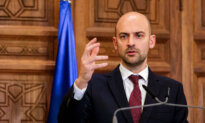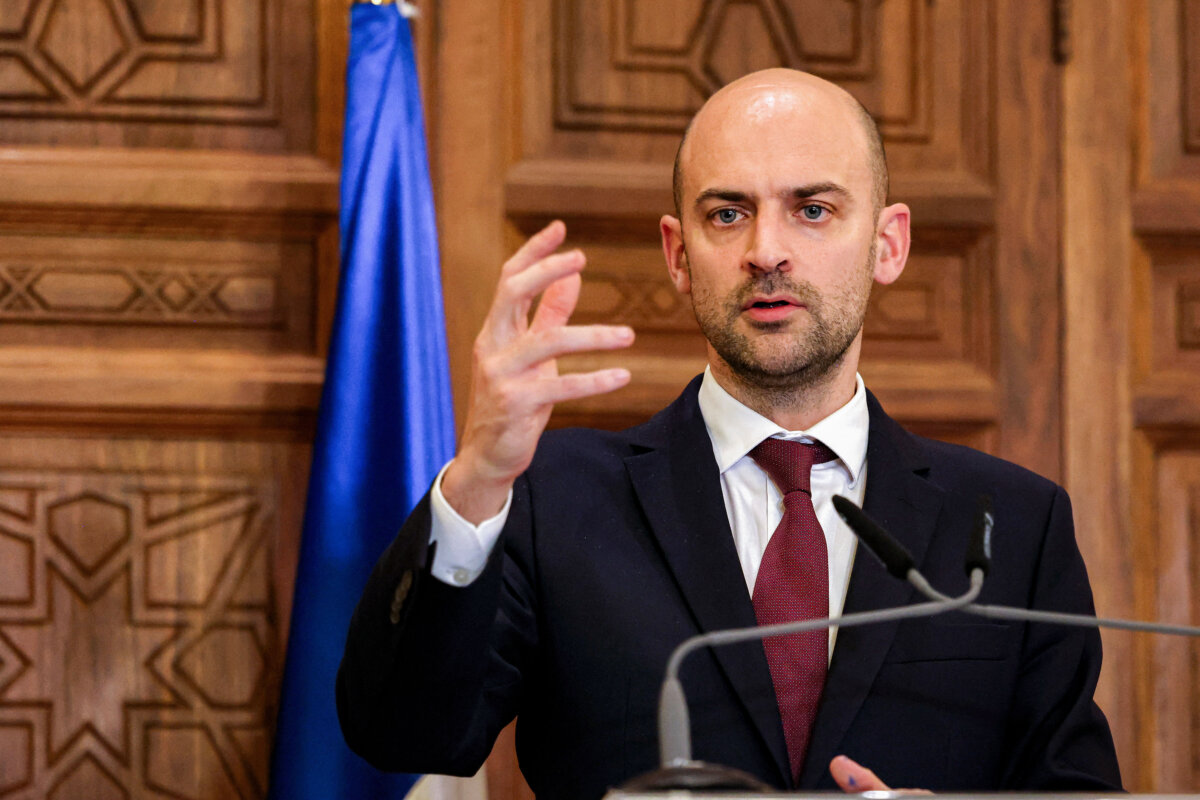

French Foreign Minister Jean-Noël Barrot said on Feb. 24 that U.S. Ambassador to France Charles Kushner failed to attend a summons at the Foreign Ministry, calling the absence a “surprise” and saying it could affect the ambassador’s ability to carry out his duties, though not broader bilateral ties.
Speaking to Franceinfo, Barrot said Kushner did not appear for a 7 p.m. meeting on Feb. 23 after being called in over comments by the U.S. Embassy in France regarding the death of a 23-year-old conservative French activist Quentin Deranque.
“It is a surprise,” Barrot said when asked whether Kushner’s absence amounted to a snub.
“When one has the honor of representing one’s country—the United States of America—in France as ambassador, one respects the most basic rules of diplomacy and responds to summonses from the Ministry of Foreign Affairs. And in our country, we always respond.”
The foreign minister said that not attending was the ambassador’s “personal responsibility” and did not affect the relationship between France and the United States, which he noted are marking 250 years of ties this year.
“The relationship has endured much more, but it will naturally affect his ability to carry out his mission in our country,” Barrot said.
He added that summoning an ambassador when explanations are required is routine practice.
Once those explanations take place, he said, the U.S. ambassador would “naturally regain access to members of the French government,” and the two sides could “return to a normal mode of operation.”
In practical terms, Barrot said, Paris wants clarification about what it sees as foreign interference in its domestic political debate.
“We do not accept that foreign countries can interfere or insert themselves into the national political debate, under any circumstances. That is the explanation we must have,” he said, adding that once this is resolved, both sides “can return to a normal mode of operation.”
The Epoch Times reached out to the U.S. Embassy in France for comment but did not receive a response by publication time.
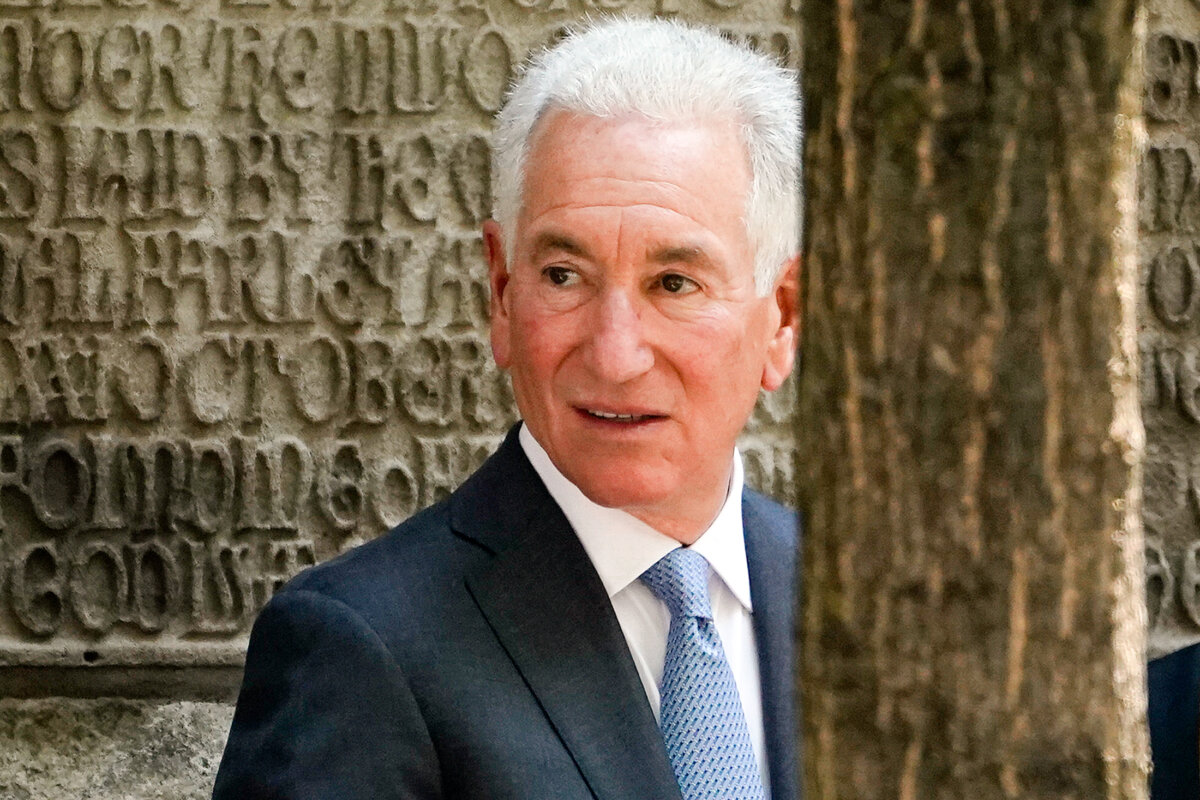
Kushner had been summoned by the French Foreign Ministry after the U.S. Embassy in Paris and the U.S. State Department publicly commented on Deranque’s killing.
The U.S. Embassy in France said in a Feb. 20 post on X that “violent left-wing extremism is on the rise, and its role in the death of Quentin Deranque demonstrates the threat it poses to public safety,” according to a translation.
“The information, corroborated by the French Minister of the Interior, that Quentin Deranque was allegedly killed by far-left militants, should concern us all,” the embassy said.
On Feb. 19, the U.S. State Department’s Bureau of Counterterrorism wrote on X that Deranque’s death demonstrated the threat that violent radical leftism poses to public safety and said it expected those responsible to be brought to justice.
“We will continue to monitor the situation and expect to see the perpetrators of violence brought to justice,” the bureau said.
U.S. Undersecretary of State for Public Diplomacy and Public Affairs Sarah B. Rogers also weighed in on Feb. 20, saying the United States “will continue to watch” the case.
Deranque’s Death
Deranque died on Feb. 14 from brain injuries sustained two days earlier during clashes in Lyon between progressive and conservative activists, according to local prosecutors.
Violence broke out on Feb. 13 on the sidelines of a student event in Lyon where Rima Hassan, a European Parliament lawmaker from the left-wing France Unbowed party, was scheduled to speak.
Lyon prosecutor Thierry Dran said on Feb. 18 that an autopsy found that Deranque suffered a fractured skull and fatal brain injuries.
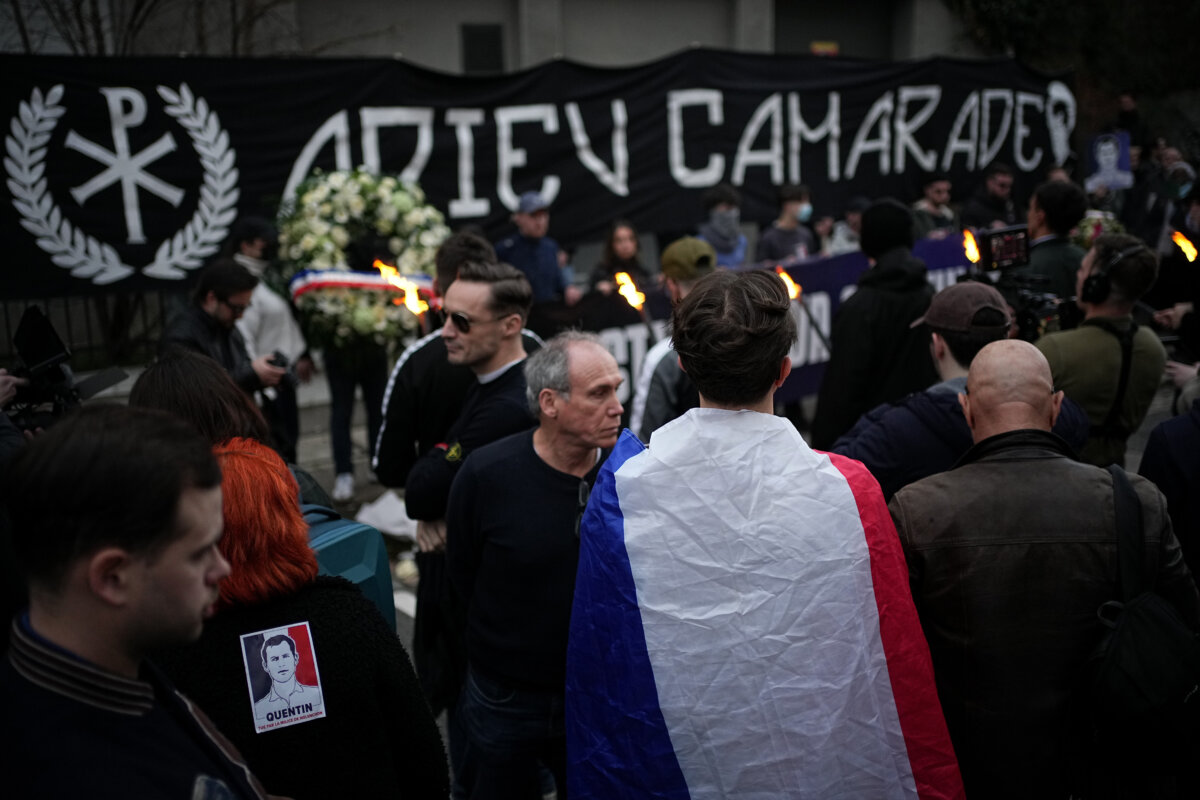
Dran announced the opening of a homicide investigation and said 11 people had been arrested in connection with the case, including a man and a woman detained on Feb. 18 and nine others taken into custody the previous night.
French media reported that among those detained was a parliamentary aide to France Unbowed lawmaker Raphaël Arnault. Arnault confirmed the arrest in a Feb. 17 post on X and said he was terminating the aide’s contract, without giving further details.
Jean-Luc Mélenchon, leader of France Unbowed and a veteran left-wing figure who is expected to seek the presidency again in 2027, said on Feb. 17 that Hassan “is in no way associated with the events that took place.”
“No counter-attack justifies killing. Our fundamental strategy is democracy, the ballot box, and the support of the greatest number of people for our cause. Violence repels, stunts, and confines our political struggle,” he wrote in a separate X post on the same day.
 Friends Read Free
Copy
Facebook
Tweet
Friends Read Free
Copy
Facebook
Tweet