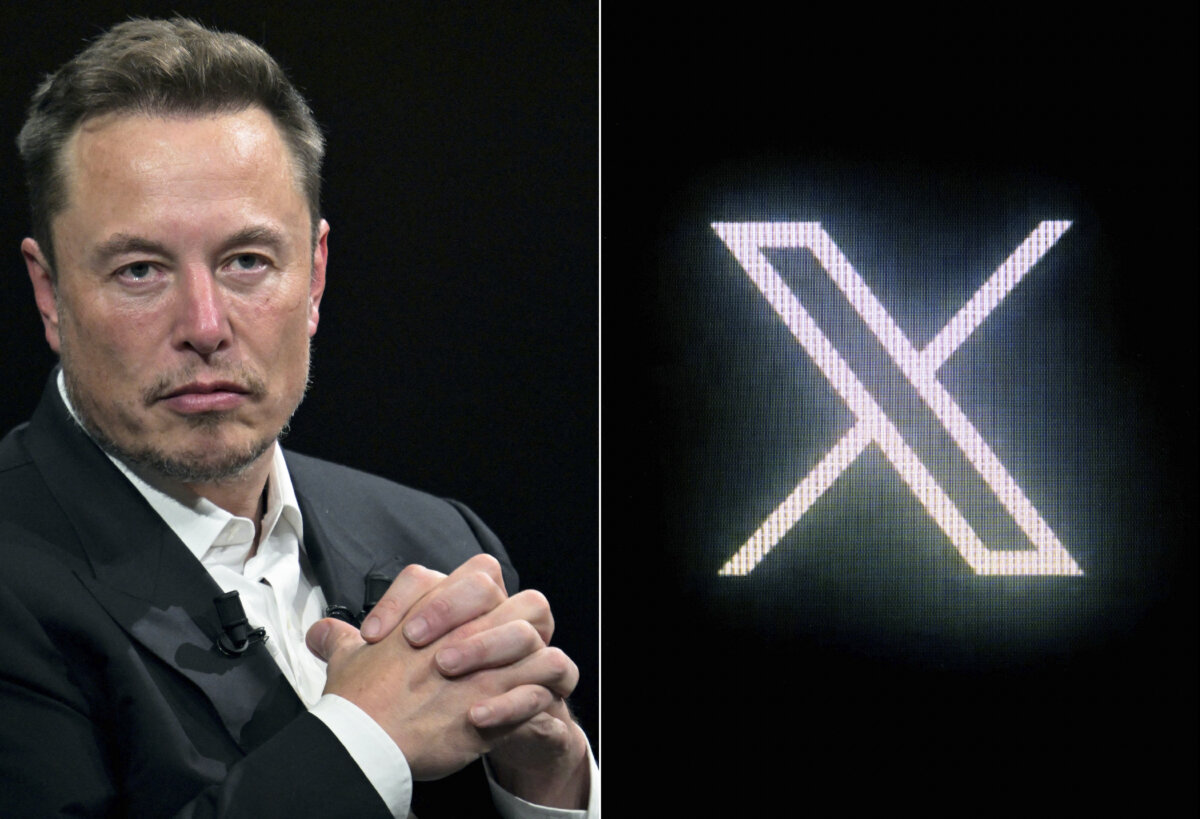
French police specializing in cybercrime, assisted by the European Union’s crime-fighting agency Europol, have raided the offices of Elon Musk’s social media platform X, the Paris prosecutor’s office announced on Tuesday.
The prosecutor’s announcement said the search relates to an investigation begun in January 2025 into the content promoted by the X algorithm, which widened in July 2025 to include its AI chatbot, Grok.
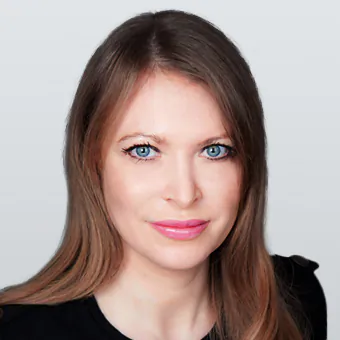
The prosecutor’s office said that both Musk and former X CEO Linda Yaccarino have been summoned to appear at hearings in April as part of its probe.
X’s Global Government Affairs team said the raid was a “politicized criminal investigation” and an attempt to pressure the company’s senior management in the United States by targeting its French entity and employees.
“We are disappointed by this development, but we are not surprised,” the team wrote in a Feb. 3 post on X. “The Paris Public Prosecutor’s office widely publicized the raid—making clear that today’s action was an abusive act of law enforcement theater designed to achieve illegitimate political objectives rather than advance legitimate law enforcement goals rooted in the fair and impartial administration of justice.”
Musk reposted the response on X, characterizing the raid as a “political attack.”
France’s Ministry of Foreign Affairs (MFA) accused Musk and X of politicizing the investigation, which it described as a routine probe associated with allegations of child sex abuse.
“Investigating child sexual abuse material isn’t controversial,” the MFA said in a Feb. 3 post on X. “Turning it into political theater is manipulation. Maybe that logic flies on some island. Doesn’t fly in France.”
The embassy of France in the United States added that it considers no individual or entity above French law, adding in a social media post that the law “must be the same for all, whether it protects or punishes.”
‘Free Speech’ and ‘Privacy’ Concerns
In July 2025, the social media company denied allegations of manipulating its algorithm, sharing a statement that said: “This investigation, instigated by French politician Eric Bothorel, egregiously undermines X’s fundamental right to due process and threatens our users’ rights to privacy and free speech.
“Mr Bothorel has accused X of manipulating its algorithm for ‘foreign interference’ purposes, an allegation which is completely false.”
Among potential crimes the prosecutor’s office said it would investigate were complicity in possession or organized distribution of images of children of a pornographic nature, infringement of people’s rights through deep fake sexual images, and fraudulent data extraction by an organized group.
The prosecutor’s office also announced it was leaving the X platform and would now communicate on LinkedIn, owned by Microsoft, and Instagram, owned by Meta.

Action Over Grok
Musk’s platform recently intervened to prevent sexualized images from being generated and edited on X using its Grok, following scrutiny of its practices.
X said on Jan. 14 it was imposing limits on Grok’s image editing capabilities, after countries around the world opened investigations and threatened lawsuits over the use of the built-in artificial intelligence (AI) chatbot to generate sexually explicit images.
X’s “Safety” unit wrote in a statement posted on the social media platform that it had implemented measures to prevent the Grok account from editing images of real people to make them appear in revealing clothing, such as bikinis.
The statement said that image creation and editing via the Grok account is now only available for paid subscribers, to add an “extra layer of protection by helping to ensure that individuals who attempt to abuse the Grok account to violate the law or our policies can be held accountable.”
Sexualized deep fakes are often made using real images of women without their consent, prompting criticism from victims, online safety campaigners, and politicians around the world.
In late January, the European Commission announced an investigation into Grok’s parent company, x.AI, with a similar probe launched by UK regulator Ofcom earlier the same month.
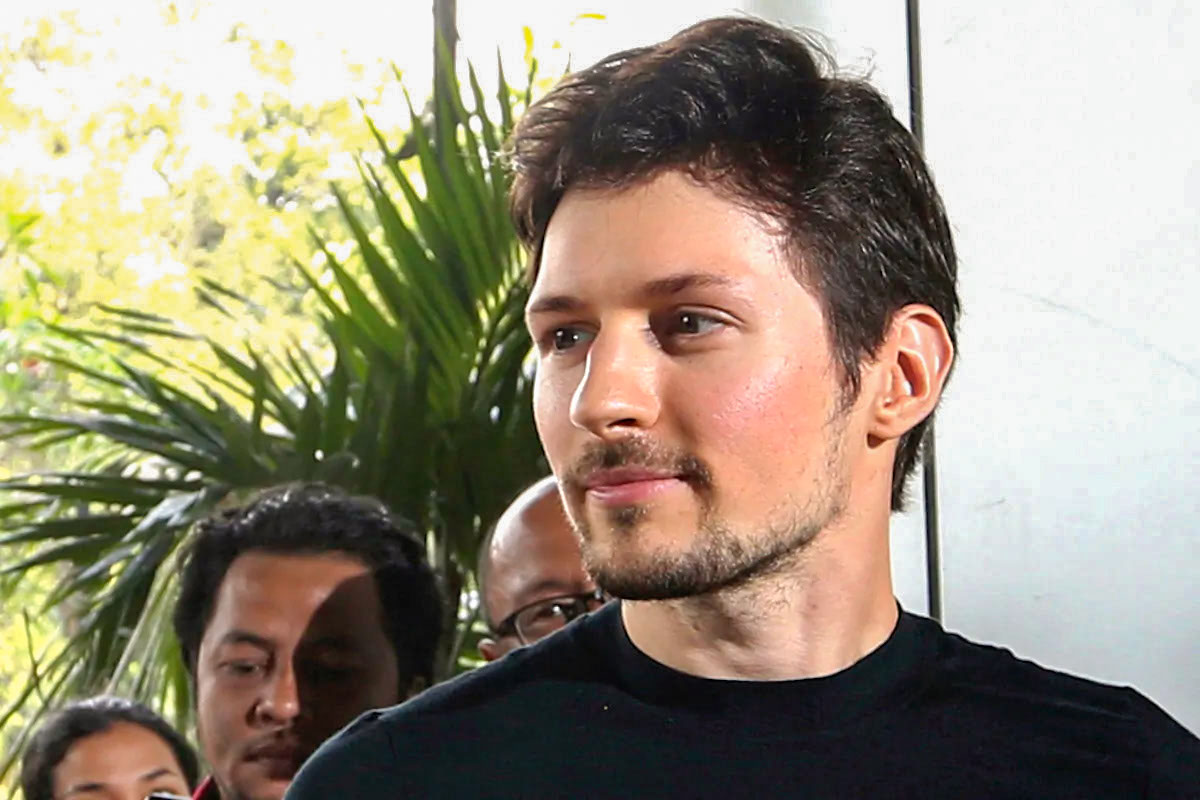
Following the announcement of the police raid, the CEO of messaging platform Telegram, Pavel Durov, raised free speech concerns on X, commenting: “French police is currently raiding X’s office in Paris.
“France is the only country in the world that is criminally persecuting all social networks that give people some degree of freedom (Telegram, X, TikTok). Don’t be mistaken: this is not a free country.”
Durov, who is Russian, has himself been arrested and charged by French police over alleged lack of content moderation on Telegram and refusal to work with police, which the authorities say allowed the spread of criminal activities.
Durov has denied any wrongdoing, and the criminal case against him remains open.
UK Probe Announced
The police raid in Paris came on the same day that British authorities opened formal investigations into whether X and x.AI have complied with the United Kingdom’s data protection law regarding Grok’s previous generation of deep fakes.
William Malcolm, an executive director at the Information Commissioner’s Office, said: “The reports about Grok raise deeply troubling questions about how people’s personal data has been used to generate intimate or sexualised images without their knowledge or consent, and whether the necessary safeguards were put in place to prevent this.
“Losing control of personal data in this way can cause immediate and significant harm. This is particularly the case where children are involved.”
The watchdog is working closely with international regulators as well as Ofcom, he added.
“Our investigation will assess whether [parent companies] XIUC and x.AI have complied with data protection law in the development and deployment of the Grok services, including the safeguards in place to protect people’s data rights,” he said.
“Where we find obligations have not been met, we will take action to protect the public.”
Other X staff have been summoned as witnesses to appear with Musk and Yaccarino, although such legal orders are difficult to enforce on people who do not live in France.
“Glad to see that my complaint from January 2025 is yielding results!” French lawmaker Bothorel said on X. “In Europe, and particularly in France, the rule of law means that no one is above the law.”
Victoria Friedman contributed to this report.
 Friends Read Free
Copy
Facebook
Tweet
Friends Read Free
Copy
Facebook
Tweet