
News Analysis
The United States could soon adopt a tax bill with major implications for Canada, potentially raising tax rates for Canadian corporations operating in the United States and removing statutory tax exemptions as punishment for Ottawa’s controversial Digital Services Tax.
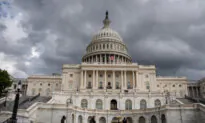
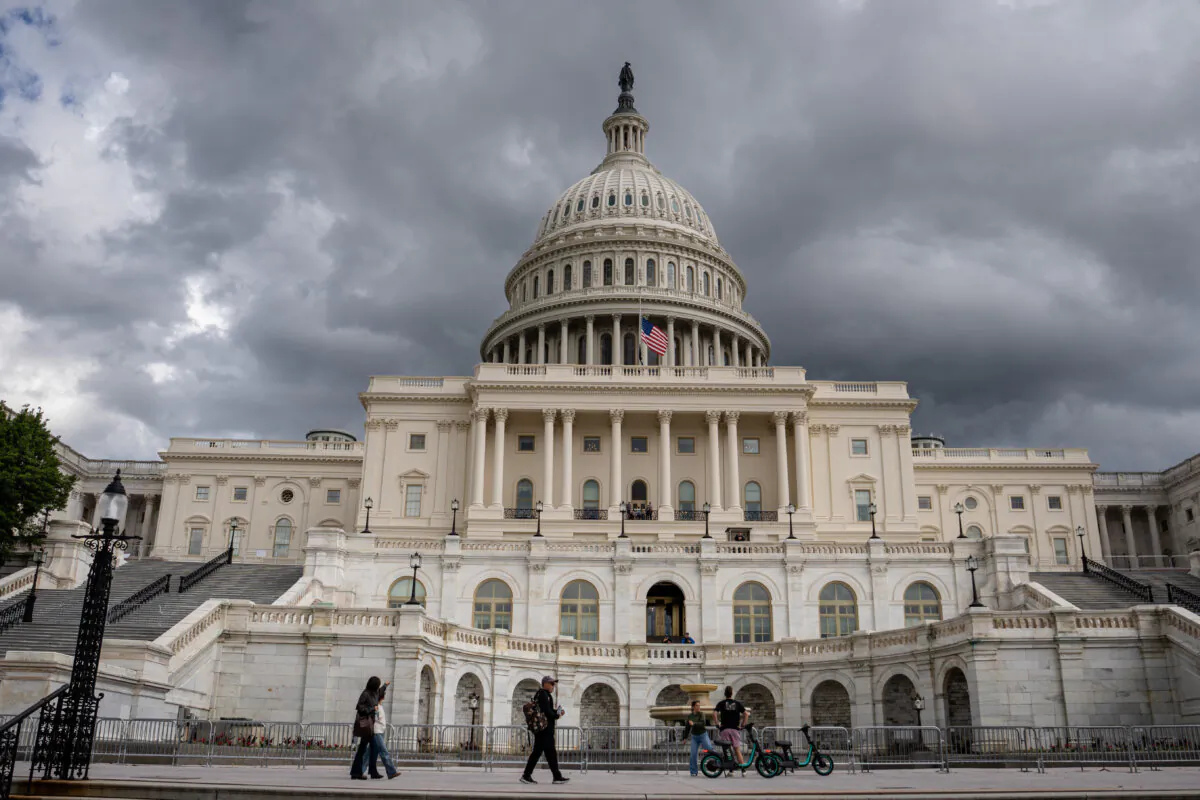
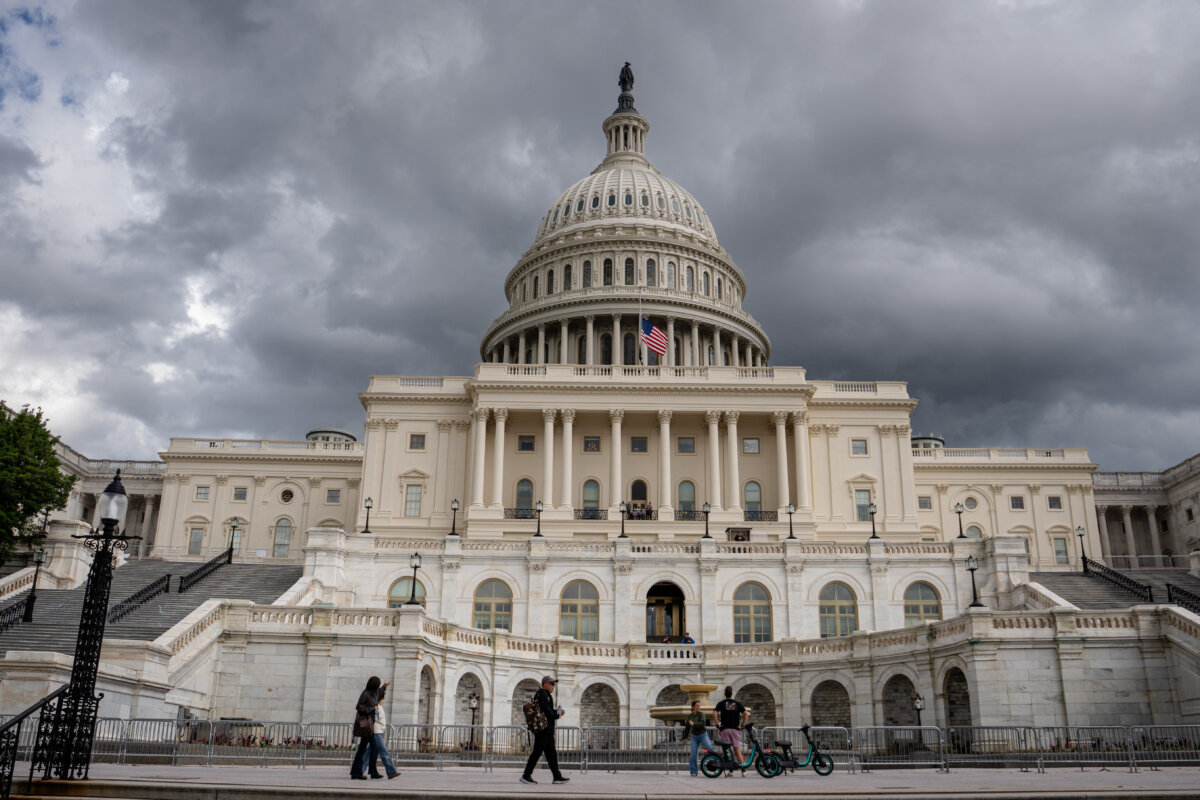
On May 22, the U.S. House of Representatives narrowly passed U.S. President Donald Trump’s budget legislation, which has been dubbed the “One, Big, Beautiful Bill,” in a 215–214 vote. It includes a section on “remedies against unfair foreign taxes,” a proposal under which Canadian companies and individuals earning income from U.S. securities could see significant increases in their U.S. withholding tax rates, up to as high as 50 percent.
The bill is now before the Senate, but opposition from Democratic senators and some Republican ones could potentially hold up its passage.
The legislation sets aside over US$200 billion for defence and border security, cuts back on health care and food programs, and reduces federal spending by $1.5 trillion. But the bill also has implications for Canadians.
Ottawa’s Digital Services Tax (DST) could be one of the taxes considered unfair under the proposed U.S. legislation. Canada’s DST is aimed at large foreign technology companies that receive revenue from Canadian subscribers and contributors, such as Amazon, Google, and Netflix. Washington has cited its opposition to the DST for several years, with then-U.S. Ambassador to Canada David Cohen warning in 2023 that there would be “contention” unless the dispute is resolved.
If Canada is deemed to be a country imposing “unfair foreign taxes,” then the proposals in the U.S. bill could also impact the tax-exempt status currently enjoyed by Canadian pension funds and other Canadian entities that own U.S. assets.
The total impact could be considerable to Canada’s economy, particularly when combined with the steep tariffs the United States has already placed on Canada.
Key Proposals in the Bill
The “One, Big, Beautiful Bill” states in section 899 that countries with “unfair foreign taxes” will see their companies and individual investors who receive income from U.S. assets face increasingly higher U.S. withholding tax rates. The rate would be increased by 5 percentage points each year until it reaches 50 percent—capped at 20 percentage points above the statutory rate of 30 percent.
The bill would override existing tax treaties with Canada under which a reduced rate or exemption might normally apply. And the higher tax rate would remain until the country removes its foreign tax that the United States had deemed “unfair.”
Additionally, the bill states that foreign governments would lose their statutory tax exemption, meaning institutions like the Canada Pension Plan (CPP) Investment Board and other pension plans could be required to pay taxes to the United States.
The rest of the 1,100-page legislation allocates an additional US$150 billion to defence spending and over $50 billion for border security, and implements Trump’s promise to eliminate tax on tips and overtime. It also tightens eligibility for government-funded health care Medicaid and food stamp programs while cutting federal spending by $1.5 trillion over the next decade, but is still estimated to increase the federal deficit by $3.8 trillion over that period.
Trump has heavily pushed for the bill to be passed, even threatening to support primary challenges against the few Republicans who voted against it due to concerns about government spending. The legislation will need to be passed by the Senate and then receive presidential approval to become law.
Several Senate Republicans have said they do not support some aspects of the bill that would not cut enough in spending or in access to Medicaid, where rapid spending growth is seen as a key issue that must be addressed. The Republicans have a slight majority over the Democrats in the Senate, holding 53 seats compared to 45 for the Democrats, while there are also two independent senators.
Canada’s Digital Services Tax
The DST is a 3 percent levy aimed at revenue earned by foreign companies that is “reliant on the engagement, data and content contributions of Canadian users, as well as on certain sales or licensing of Canadian user data.” Many of these foreign companies are based in the United States.
Ottawa proposed the DST as an interim measure until the countries in the G20 and Organisation for Economic Co-operation and Development (OECD) come up with their own global digital taxation framework. The tax took effect at the start of January 2024 and was retroactive to 2022.
The Parliamentary Budget Officer estimated in an October 2023 report that implementation of the DST would increase federal revenue by C$7.2 billion over five years.
While the Canadian government had agreed to a two-year deferral period in 2021 to implement that tax, it said in late 2023 that it would not go along with the delay. Ottawa argued that by delaying implementation of the measure by another year, Canada would be put at a disadvantage compared to countries that had already been collecting revenue under their pre-existing DSTs.
The United States has taken issue with Canada’s refusal to delay the tax, as it wanted a unified approach for a minimum tax level to be established. Cohen, the former U.S. Ambassador to Canada, said the United States did not want a “country-by-country” approach where American companies were disproportionately impacted.
In a September 2023 letter, members of the U.S. House Committee on Ways and Means said Canada “could face significant consequences” if it proceeded with the “discriminatory” tax. The letter, addressed to U.S. Treasury Secretary Janet Yellen and U.S. Trade Representative Katherine Tai, was co-signed by 41 committee members from both sides of the aisle.
The letter also questioned whether the tax would constitute a violation of Canada’s obligations under the U.S.-Mexico-Canada Agreement or its commitments to World Trade Organization treaties. Further, it said the vast majority of OECD countries had agreed to extend their own timeline to the end of 2024.
In an October 2023 letter to Tai, two senators from the U.S. Senate Committee on Finance also called for retaliation if Canada moved forward with its plans to create the DST, saying it would hurt U.S. businesses.
In addition to the U.S. government being opposed to the DST, Google has also penalized Canada for this tax, introducing a “Canada DST Fee” effective October 2024 that applies to all Canadian creators. The 2.5 percent fee applies to all advertisements served in Canada and was added to cover part of the cost of complying with the DST legislation in Canada, Google said.
What Will Canada Do?
Representatives from the Liberal government have not previously signalled a willingness to back down on this issue. When asked about the timing of the DST back in November 2023, then-Finance Minister Chrystia Freeland said Ottawa’s position was “unchanged” and that there was a “real fairness issue” since countries like the United Kingdom and France already had similar taxes in place.
Freeland later said in July 2024 that the government’s preference was still a “multilateral solution.”
During the recent election, Prime Minister Mark Carney’s campaign said a Liberal government would work with its G7 and OECD partners to create a “fair and consistent set of international tax rules.” It added that Carney’s government would “not surrender on rules that ensure large multinational companies pay a fair and consistent share of the profits they earn in a country.”
However, the new U.S. tax bill may force Ottawa to revisit the DST, given the impact the bill could potentially have on Canada. According to cross-border tax law firm Polaris, the bill’s proposed section on “unfair foreign taxes” would “rupture the Canada-U.S. tax relationship.”
The firm said the bill would increase the corporate income tax and branch profits tax paid by Canadians by 5 percent per year, leading the maximum corporate tax rate to hit 41 percent plus a branch profits tax of 50 percent. Meanwhile, individuals would see a maximum federal tax rate of 57 percent.
Polaris said the legislation would also cause Canadian government entities like the CPP, government-sponsored pension plans, and First Nations to lose access to their U.S. tax exemption. The firm said these changes would lead all cross-border planning to be “turned on its head.”
Canada’s DST is likely to play into future trade negotiations with the United States as the two countries and Mexico prepare to renegotiate the U.S.-Mexico-Canada Agreement in 2026.
 Friends Read Free
Copy
Facebook
Tweet
Friends Read Free
Copy
Facebook
Tweet