
Australia’s inflation rate picked up speed in July, with consumer prices rising 2.8 percent over the year, the Australian Bureau of Statistics (ABS) reported.
That marks a jump from the 1.9 percent annual rise recorded in June.
“This is the highest annual inflation rate since July 2024, following several months of easing inflation,” said Michelle Marquardt, ABS head of prices statistics.
Underlying inflation, which strips out the most volatile items to give a clearer picture of long-term trends, also edged higher.
The trimmed mean rose to 2.7 percent in July from 2.1 percent in June.
The Reserve Bank of Australia (RBA) had already warned in its August meeting minutes that inflation would likely climb again in the second half of the year before settling back toward its two to three percent target range.
The RBA forecasts headline inflation at around 3 percent by December.
Power Bills Drive Price Surge
Electricity prices were a major factor in the July figures. They rose 13.1 percent over the year, compared with a 6.3 percent fall just a month earlier.
The ABS explained that the jump reflected the end of Commonwealth Energy Bill Relief Fund rebates for households in New South Wales and the ACT during July. With those rebates not applied until August, families faced higher out-of-pocket bills.
“In addition to this, prices rose due to annual electricity price reviews coming into effect,” the ABS noted.
Travel and Food Prices Add to Pressure
Holiday travel and accommodation also lifted inflation.
Prices rose 3.3 percent in the year to July, reversing a 3.7 percent fall in June.
On a monthly basis, they jumped 4.7 percent, reflecting higher demand during the school holidays and rising airfares and hotel costs.
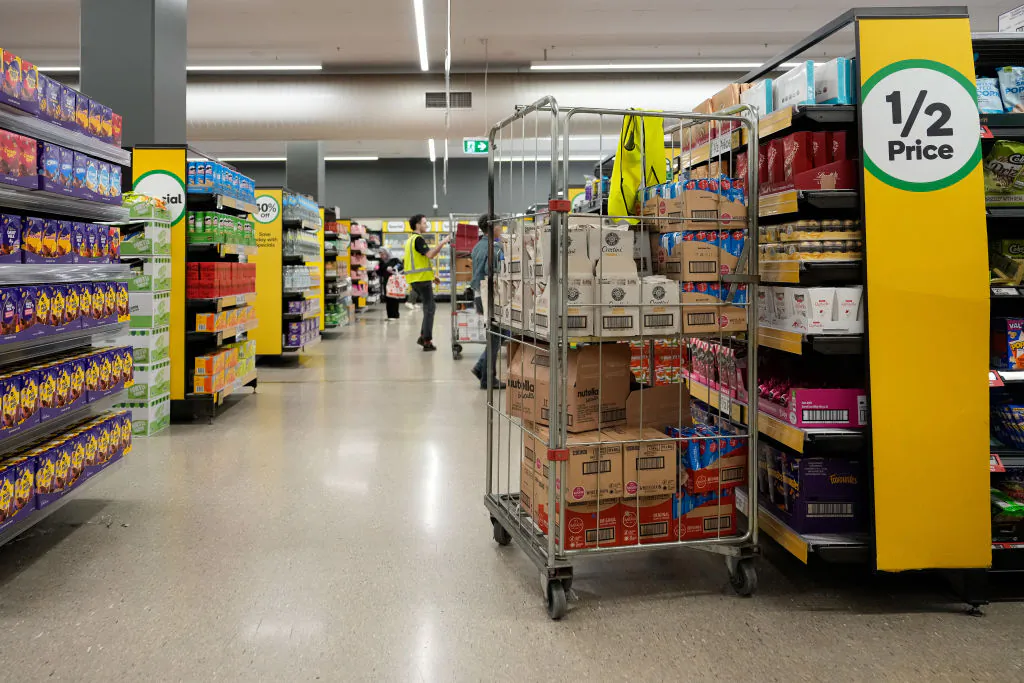
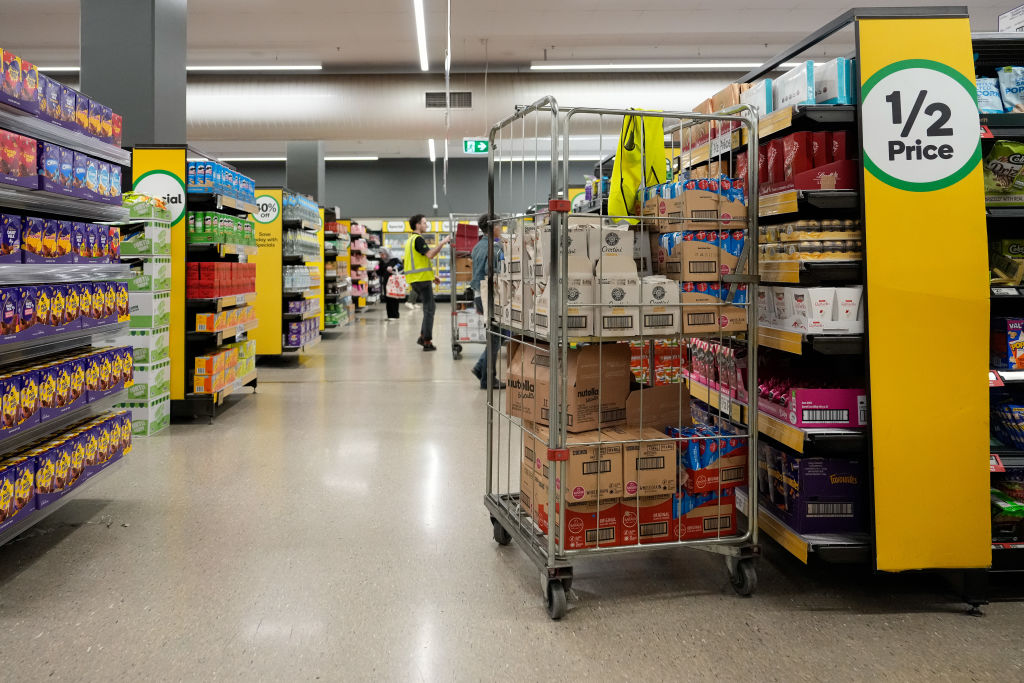
Food and non-alcoholic drink prices rose 3 percent, steady at around that level for almost a year. Some categories eased, but coffee, tea and cocoa stood out, rising 14.4 percent.
“While annual inflation eased for some food categories in July, coffee, tea and cocoa prices continued to rise, up 14.4 percent in the past 12 months. This comes as supply has been affected by adverse weather conditions impacting major overseas coffee bean-growing areas,” Marquardt said.
Political Reactions Split on the Numbers
The fresh inflation data quickly fed into political debate. Shadow Treasurer Angus Taylor criticised the government on social media.
“Inflation up again. Bills up. Housing targets missed. GP costs up. New taxes on the table. Labor promised relief, but has only delivered pain to pay for their spending spree,” he said.
Treasurer Jim Chalmers countered by stressing that inflation was still under control.
“New figures from the Australian Bureau of Statistics show headline and underlying inflation ticked up in July but remained well within the Reserve Bank’s target band. This is the eighth month in a row that headline and underlying inflation have come in below three percent,” he wrote on X.
 Friends Read Free
Copy
Facebook
Tweet
Friends Read Free
Copy
Facebook
Tweet