
Australia’s inflation rate has cooled to its lowest level in more than 18 months, strengthening expectations the Reserve Bank could begin cutting interest rates as early as next month.
If the RBA moves in July, it would mark the first cash rate cut since February.
Consumer price index (CPI) data released on June 25 showed annual inflation fell to 2.1 percent in May, down from 2.4 percent in April. The latest figures mark the lowest annual CPI increase since October 2024.
The Reserve Bank’s preferred gauge—known as the trimmed mean, which excludes volatile items such as fuel and holiday travel—also dropped sharply from 2.8 percent to 2.4 percent.
Michelle Marquardt, head of prices statistics at the Australian Bureau of Statistics (ABS), said the results were underpinned by easing food, housing, and fuel costs, alongside the continued impact of targeted government subsidies.
The biggest contributor to annual inflation was food and non-alcoholic beverages, which rose 2.9 percent—lower than the 3.1 percent in April.
Fruit and vegetable prices in particular dropped significantly, with fruit falling 2.7 percent in May. Prices for mandarins, oranges, avocados and apples fell sharply.
Fuel prices also eased substantially. Automotive fuel costs declined 10 percent year-on-year, with a 2.9 percent monthly fall tied to lower global oil prices.
The national average for unleaded petrol in May stood at $1.73 per litre—20 cents lower than a year ago and well below the September 2023 peak of $2.07.
Housing inflation softened further. Rents rose 4.5 percent in the year to May, down from 5.0 percent in April, amid more stable vacancy rates and smaller increases in advertised rents.
New dwelling prices rose 0.8 percent over the year—the smallest annual rise since April 2021—as builders turned to discounting and promotions to attract new buyers.
Electricity prices dropped 5.9 percent in the 12 months to May, compared to a 6.5 percent fall in April.
The ABS attributed much of this decline to government rebates.
“In Victoria, the impact of these rebates was lower in May than April due to the timing of payments. Without the Commonwealth and State government rebates, electricity prices would have risen 2.0 per cent in the 12 months to May,” Marquardt said.
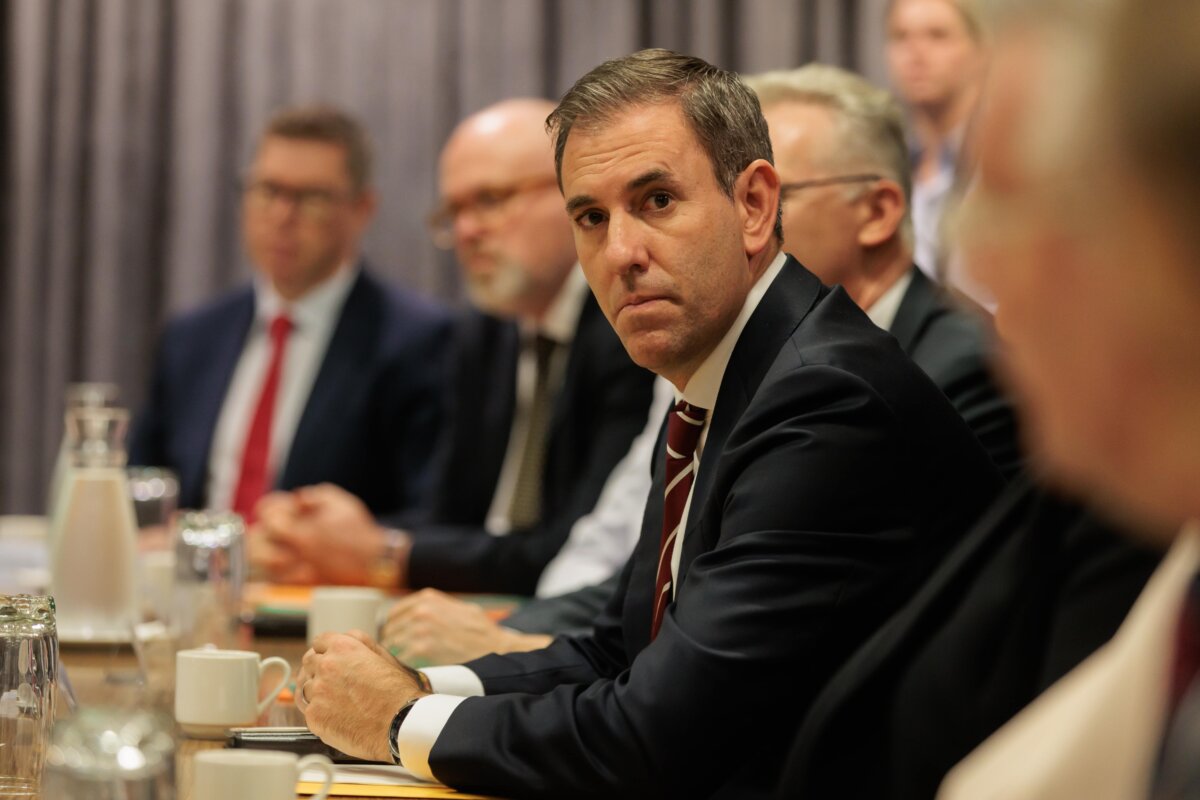
Treasurer Jim Chalmers welcomed the CPI data, describing it as “good news for Australia” and a sign the economy was tracking better than forecast.
“I’m reluctant to say it’s mission accomplished, but we are certainly making more progress than what we expected,” he said at a press conference.
 Friends Read Free
Copy
Facebook
Tweet
Friends Read Free
Copy
Facebook
Tweet