
Canada’s annual inflation rate rose to 2.8 percent in April as higher energy prices linked to the Iran war trickled down through the economy, according to a new Statistics Canada report.
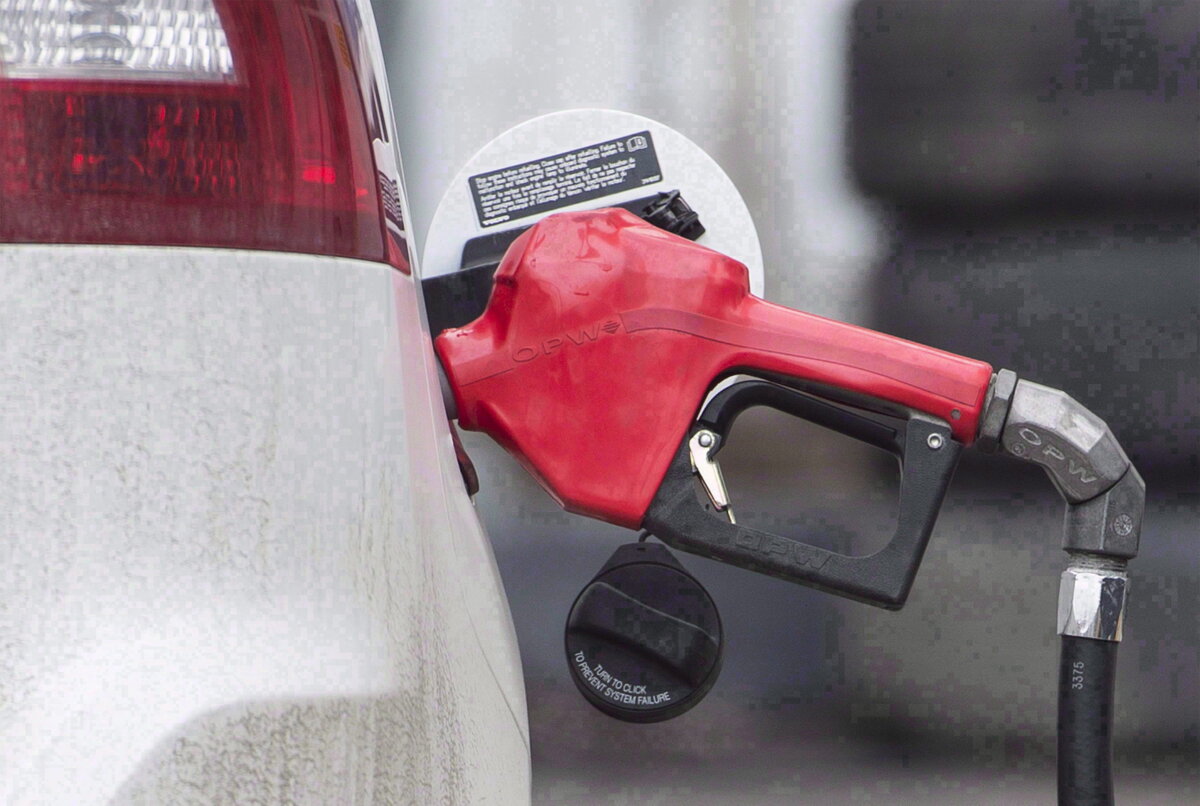
The May 19 report said higher gasoline prices “drove the acceleration” in the Consumer Price Index (CPI), which stood at 2.4 percent in March and 1.8 percent in February. StatCan said “supply uncertainty” tied to tensions in the Middle East and disruptions in the Strait of Hormuz pushed oil prices higher.
When gasoline is excluded, the CPI rose 2 percent in April compared to 2.2 percent in March.
On a year-over-year basis, gasoline prices rose by 5.9 percent in March and by 28.6 percent in April. The removal of the consumer carbon tax in April 2025 resulted in a monthly price decline for that month, putting upward pressure on the year-over-year gas prices for April 2026.
StatCan said that while the switch to the more expensive summer blend of gasoline put upward pressure on prices, the federal government’s temporary suspension of the fuel excise tax on April 20 put downward pressure on prices.
Prices for fuel oil and other oil also increased by 41.3 percent on a year-over-year basis in April. For natural gas, there was a 2.4 percent decline in April following an 18.1 percent fall in March, with prices being impacted by the removal of the consumer carbon levy in April 2025.
Food inflation fell from 4 percent in March to 3.5 percent in April, with items such as chicken, fresh vegetables, coffee, and tea seeing their growth pace slow after large increases in early 2026.
The agency said prices for clothing and footwear rose by 2 percent in April after declining by 0.4 percent in March. Travel prices decreased, with consumers paying 11 percent less in April after an 11.5 percent rise in March.
Prices rose at a faster pace in nine out of 10 provinces, but in British Columbia prices rose by 2.5 percent in both April and March. StatCan said rental price growth slowed by the most in B.C., falling from 6.4 percent in March to 3.4 percent in April.
Across Canada, rental prices rose by 4.2 percent in March but just 3.6 percent in April. Despite this decrease, rental prices have risen by 30.8 percent between April 2021 and April 2026.
The Bank of Canada said during its April 29 rate announcement that it expected inflation would rise to around 3 percent in April. The bank said there was “little evidence” that higher energy prices had fed into higher prices for goods and services, but that this would need to be monitored over the next few months.
The Bank said that in a scenario where oil prices remained at US$100 until 2028 due to a prolonged war in the Middle East, inflation would peak at 3.1 percent in the first quarter of 2027 and stay near 3 percent for more than a year, likely forcing the central bank to raise interest rates.
BMO Chief Economist Doug Porter wrote in a note to clients that while inflation had predictably moved higher due to elevated oil prices, the overall inflation numbers were “much better than expected.” Porter said that with inflation in the United States sitting at 3.8 percent and looking to rise to 4 percent next month, “Canadian underlying trends look much milder.”
Porter said that the “friendly report” is likely to reduce the chances that the Bank of Canada is forced to raise interest rates on June 10 to reduce inflation. “Still, the reality is that as long as oil prices continue to grind higher, the rate-hike chatter will remain,” he said.
Conservative Leader Pierre Poilievre said the latest StatCan report showed that “the cost of living is getting more and more painful for Canadian families.” He also reiterated his call for the Liberal government to take “all taxes off food and gas” to increase affordability.
 Friends Read Free
Copy
Facebook
Tweet
Friends Read Free
Copy
Facebook
Tweet