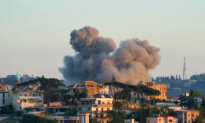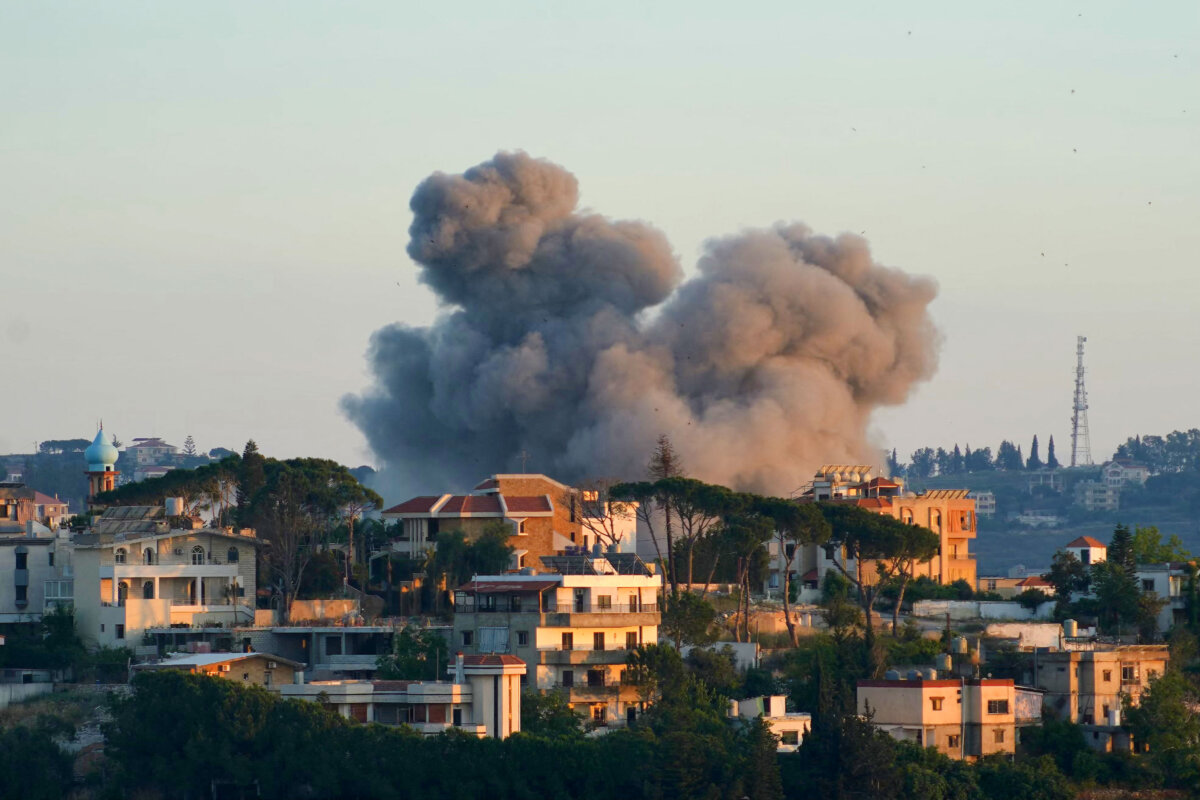

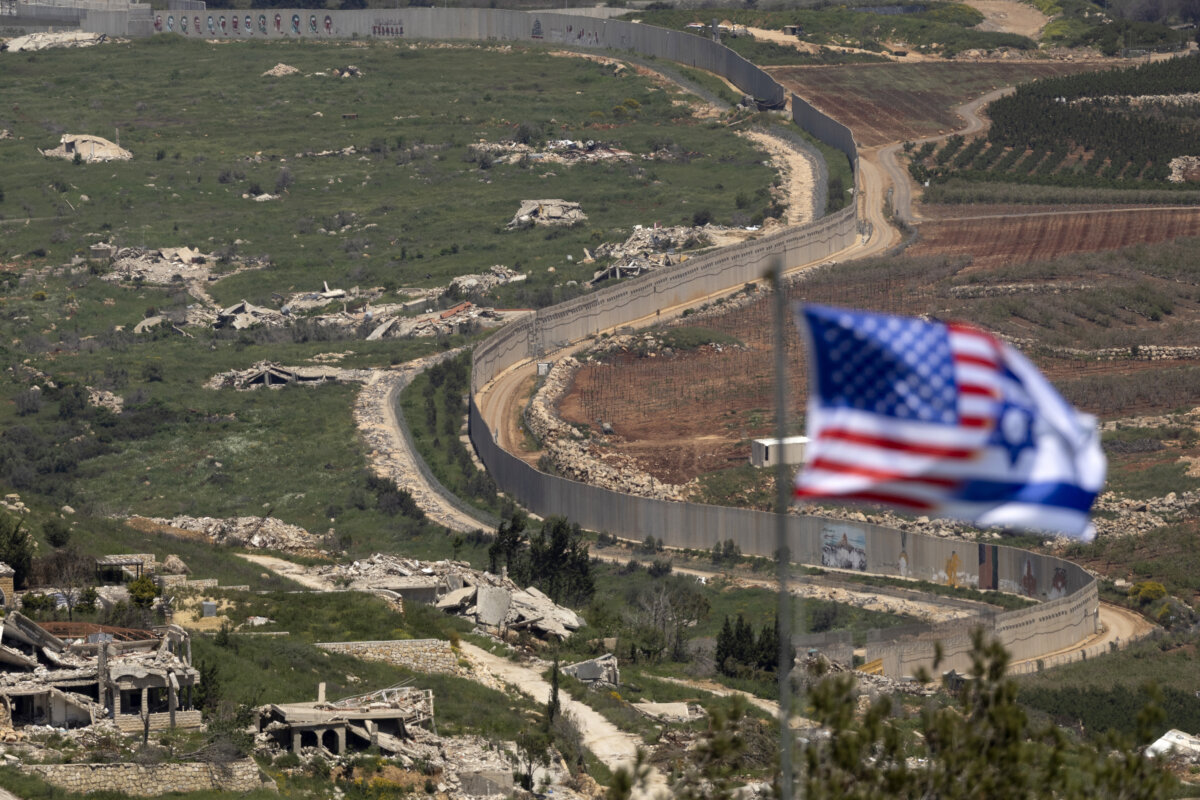
Israel said on June 19 that it carried out strikes across southern Lebanon overnight. Lebanese health officials reported at least 18 people killed and 33 wounded.
The escalation came as planned U.S.–Iran talks in Switzerland were postponed, delaying diplomatic efforts tied to a broader agreement aimed at ending the conflict and fully reopening the Strait of Hormuz.
The Israel Defense Forces (IDF) said it struck Hezbollah targets across southern Lebanon in response to what it described as repeated ceasefire violations by the Iran-backed terrorist group.
The Israeli military said it hit more than 80 command centers, launch sites, and other Hezbollah infrastructure in Nabatieh and elsewhere in southern Lebanon. It also reported strikes on Hezbollah facilities in the Beqaa Valley east of Beirut.
The IDF said “dozens of Hezbollah terrorists” were killed during the operation.
It added that Israeli forces continue to target Hezbollah’s underground infrastructure in the Beaufort area and that two Hezbollah operatives were killed after firing rockets toward Israeli troops in southern Lebanon.
Hezbollah denied it had violated the ceasefire, and accused Israel of repeatedly violating the ceasefire terms, including the U.S.–Iran agreement. The statement accused Israeli forces of carrying out attacks that killed civilians, destroying homes and infrastructure, and continuing their ground incursions into parts of southern Lebanon.
Lebanon’s state news agency NNA reported heavy displacement from the southern districts of Tyre and Bint Jbeil, with residents fleeing north amid escalating Israeli strikes.
Hezbollah said its fighters ambushed an Israeli force advancing near the hill, destroying three Merkava tanks with guided missiles and targeting troops with rocket and artillery fire. Hezbollah said it later attacked Israeli forces that had sought to enter the area to retrieve casualties.
The Epoch Times is unable to verify the claims.
Lebanese President Joseph Aoun said in a June 19 post on X that Israel’s expanded strikes in southern Lebanon and the Beqaa Valley represented a dangerous escalation that threatened efforts to secure a ceasefire.
He said Lebanon would continue pursuing a comprehensive ceasefire in upcoming talks in Washington, describing it as necessary for addressing issues including an Israeli withdrawal, army deployment, and the return of prisoners.
Casualties
Lebanon’s Ministry of Public Health said intense overnight airstrikes hampered efforts to evacuate casualties.
The ministry’s Health Emergency Operations Center reported a preliminary toll of 18 killed and 33 wounded. According to the ministry, Harouf recorded seven deaths and 10 injuries, while casualties were also reported in Doueir, Sharqiya, Abbasiya, Qatrani, Jebchit, Qaaqaait al-Jisr, Nabatieh, Kfar Sir, and Adchit.
The ministry said the figures remained preliminary and could change as rescue operations continued. Lebanese officials reported last week that 3,783 people had been killed and 11,699 wounded in the conflict between March 2 and June 14.
Israel also reported casualties during the fighting. The Israeli military said in a June 19 post on X that an IDF reserve officer was severely wounded and four other soldiers suffered light injuries after an explosive drone struck southern Lebanon.
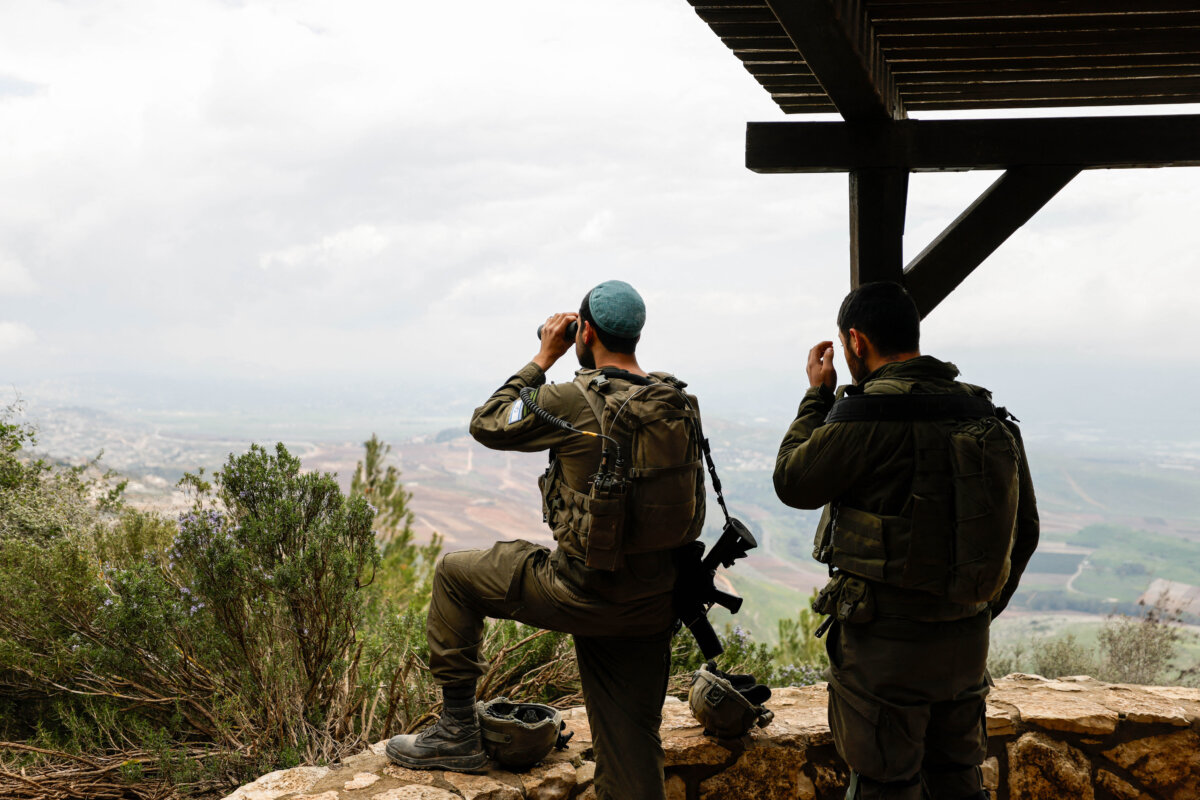
The military separately announced that Lt. Col. Dor Gedalia Ben Simhon, commander of the 52nd Battalion of the 401st Brigade, was killed in combat in southern Lebanon.
Israeli Defense Minister Israel Katz said in a June 19 post on X that ceasefire violations by Hezbollah “will be met with great force.”
“The IDF will remain in the security zone in Lebanon, from the seashore to the heights of Beaufort, in order to protect the northern settlements, thwart threats, and destroy the terror infrastructure in the area—below and above ground level,” Katz said.
Diplomacy Faces New Delays
The White House said on June 18 that Vice President JD Vance would not travel to Switzerland for discussions with Iranian officials because plans for the talks had not been finalized.
During a June 18 briefing, Vance said technical negotiations on a long-term agreement were expected to begin soon, although the timing remained uncertain.
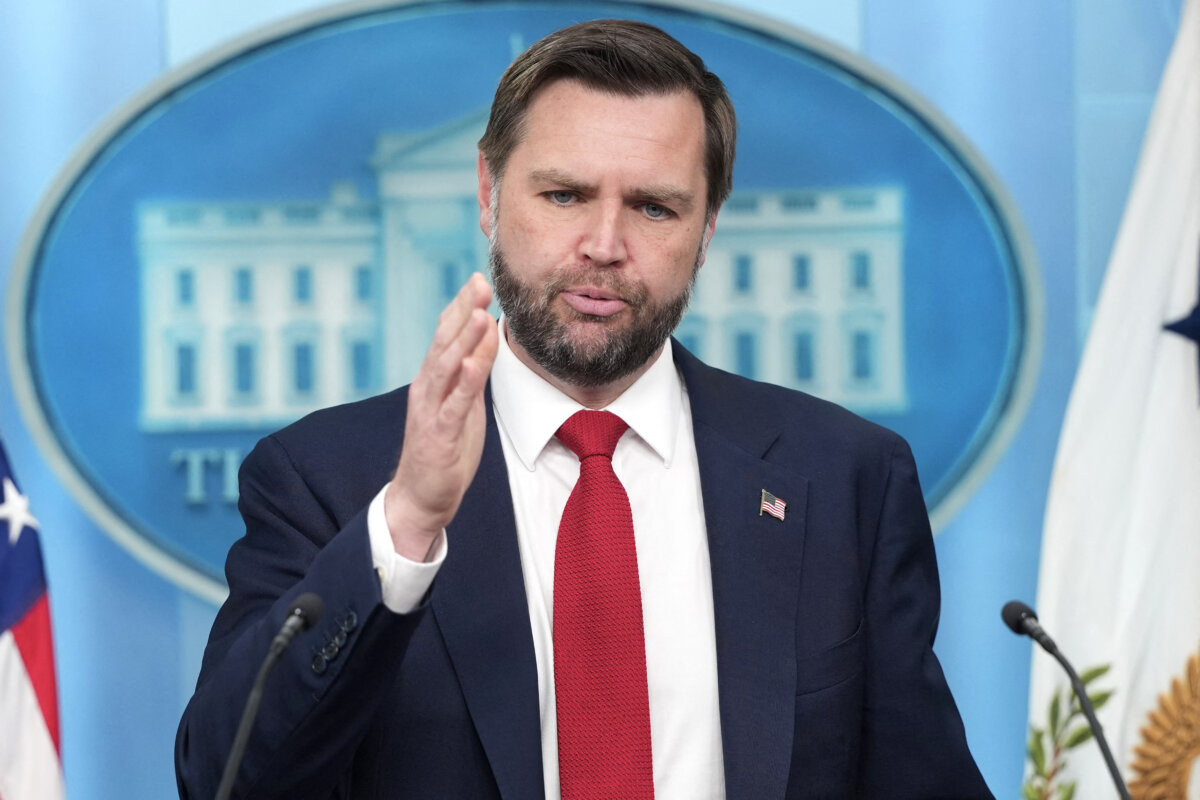
A White House spokesperson later confirmed that the talks had been postponed.
The proposed negotiations are linked to a memorandum of understanding that established a 60-day period for the United States and Iran to negotiate a final agreement addressing Iran’s nuclear program and ending the conflict.
Officials in Tehran said on June 16 that any agreement would require Israel to withdraw its forces from southern Lebanon. Israeli officials have repeatedly rejected that condition.
Trump Criticizes Length of Conflict
U.S. President Donald Trump has increasingly voiced frustration with the fighting in Lebanon. Speaking to reporters during the G7 summit on June 16, Trump said Israel had been fighting Hezbollah for too long and argued that civilian casualties were mounting.
“You don’t have to knock down an apartment house every time you’re looking for somebody,” Trump said. “There are a lot of people in those apartment houses, and they’re not all Hezbollah.”
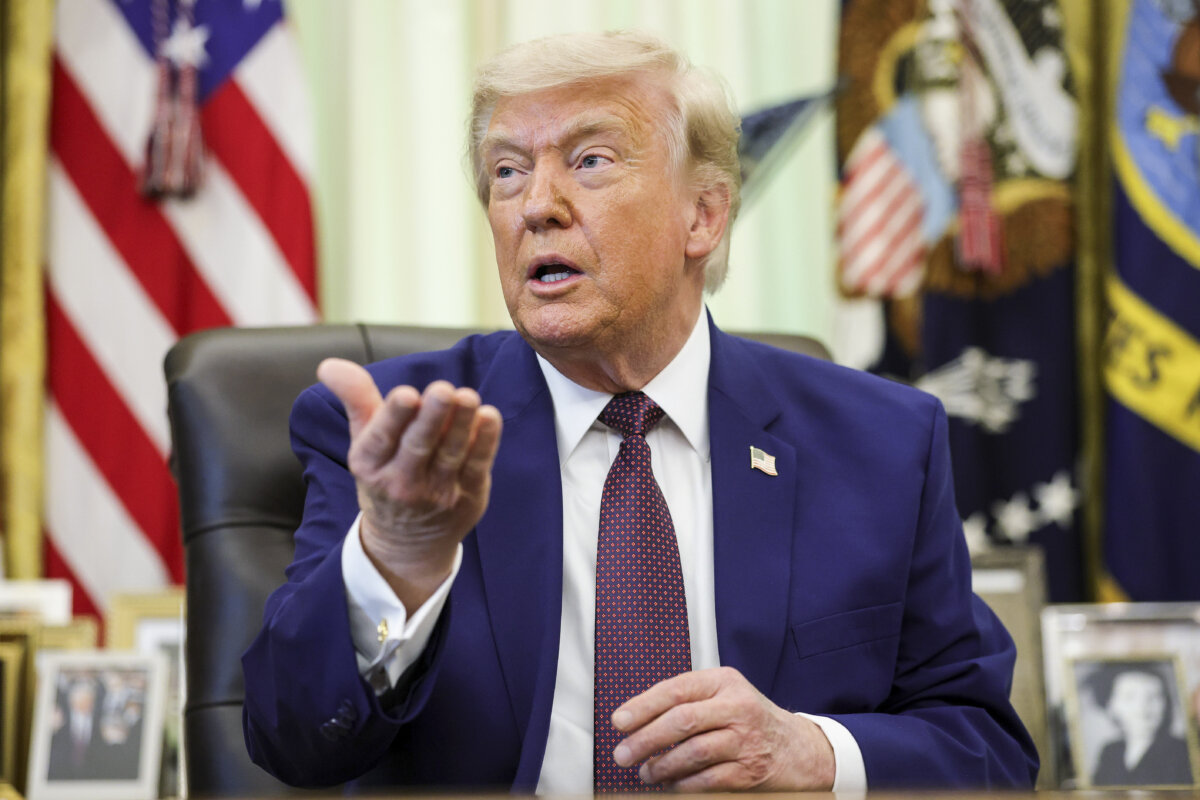
Trump also said he had suggested allowing Syria to take a larger role in dealing with Hezbollah. On June 17, Trump again criticized the pace of Israel’s campaign.
“[Israel] should have been able to do the job faster,” he said. “It just goes on forever.”
Trump added that he was “not happy with the way Israel has handled themselves with Lebanon and with Hezbollah.”
US Targets Hezbollah Network
As fighting continued, the United States announced new sanctions targeting Hezbollah-linked individuals and businesses.
U.S. State Department spokesperson Tommy Pigott said on June 18 that Washington had designated two Hezbollah-aligned Lebanese officials and several members of a business network accused of helping finance the group.
“Hizballah is the single biggest obstacle to Lebanon’s recovery and future,” Pigott said in a statement.
Ben-Gvir: ‘All of Lebanon Must Burn’
Israeli Ambassador to the United States Yechiel Leiter said on June 18 that Israel remained committed to the ceasefire agreement reached between Israel, Lebanon, and the United States, provided Hezbollah also complied.
“If Hezbollah does not violate the agreement, it will be kept,” Leiter wrote in a post on X.
Israeli National Security Minister Itamar Ben-Gvir called for expanded military action in Lebanon, saying “all of Lebanon must burn.”
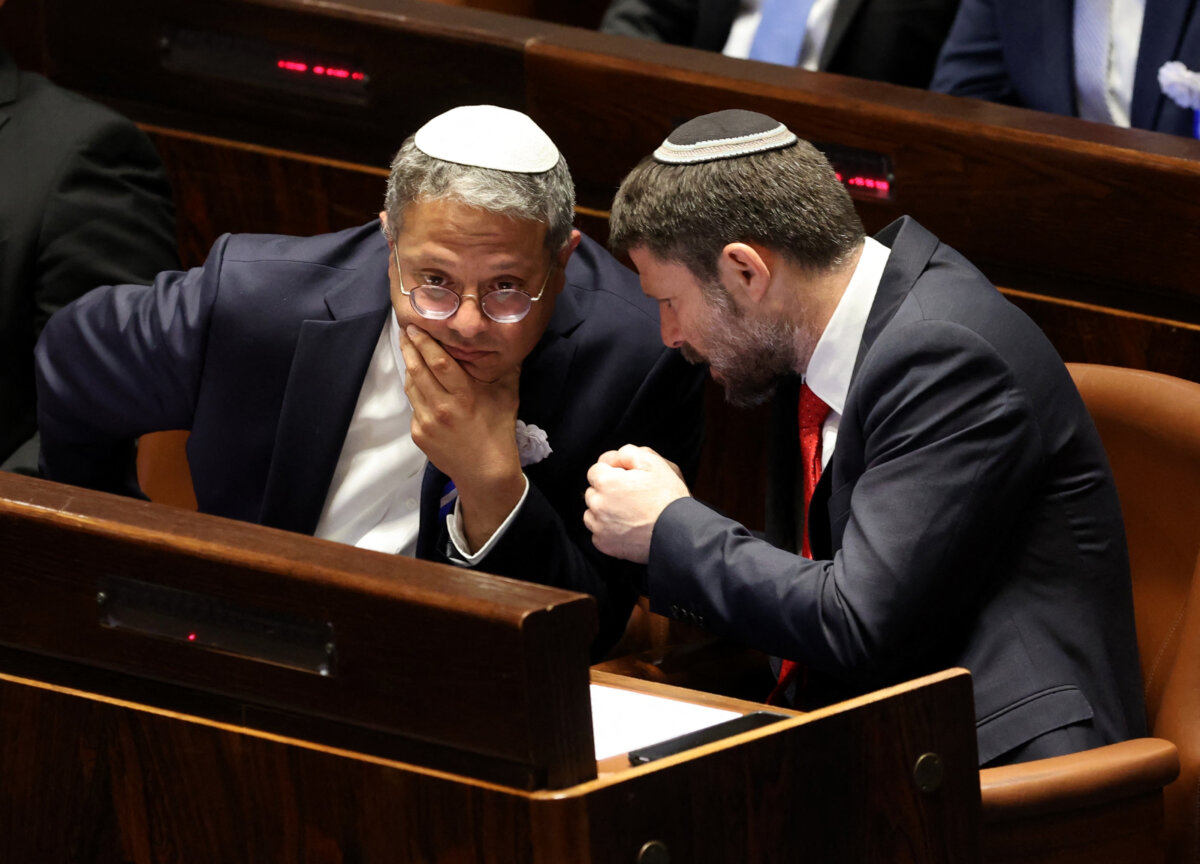
“For every tear of an Israeli mother, a thousand Lebanese mothers should cry. All of Lebanon should burn!” he said in a June 19 post on X. “With all due respect to the Americans, Israel must make clear to the entire world that the blood of our sons and the security of our citizens are not up for grabs. All of Lebanon should burn. Our highest duty is to protect the citizens of Israel and IDF soldiers, and that commitment takes precedence over every other consideration.”
Responding to Ben-Gvir’s comments, Iranian Foreign Minister Abbas Araghchi said in a June 19 post on X that the Israeli government headquartered in Tel Aviv is a threat to humanity.
“Its only interest is permanent war,” he said.
Israeli Finance Minister Bezalel Smotrich said in a post on X that it was a “difficult morning” and time “to speak with fire. To open the gates of hell.”
As of publication time, the Lebanese government had not yet publicly commented on the statements from the Israeli ministers.
Owen Evans and Reuters contributed to this report.
 Friends Read Free
Copy
Facebook
Tweet
Friends Read Free
Copy
Facebook
Tweet