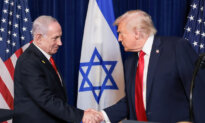
U.S. President Donald Trump said on June 16 that Israel had been fighting Hezbollah in Lebanon for “too long” and that “too many people have been killed.”
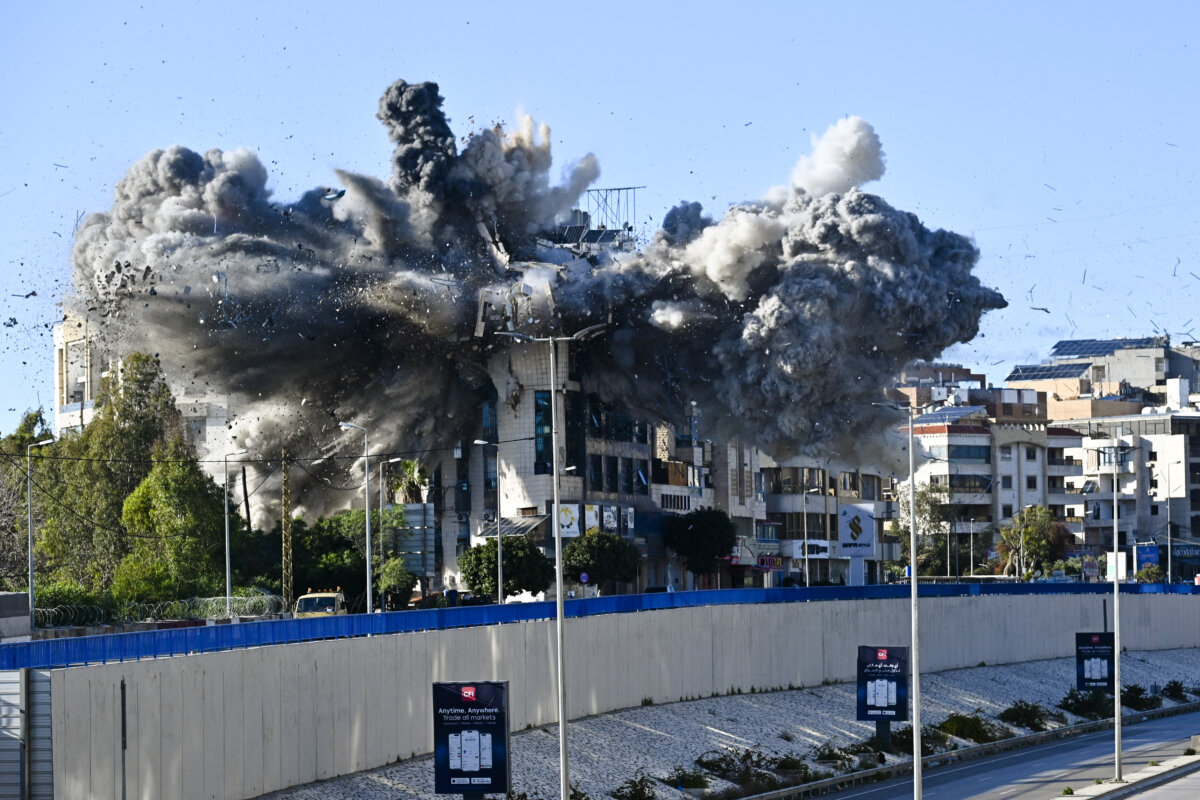
Speaking to reporters at the G7 summit in France on June 16, Trump also said that Israel had bombed apartment buildings to target the terrorist group.
“You don’t have to knock down an apartment house every time you’re looking for somebody, because there are a lot of people in those apartment houses, and they’re not all Hezbollah,” he said. “I suggested to Israel to let Syria take care of Hezbollah, because, to be honest with you, I think they do a better job of doing it.”
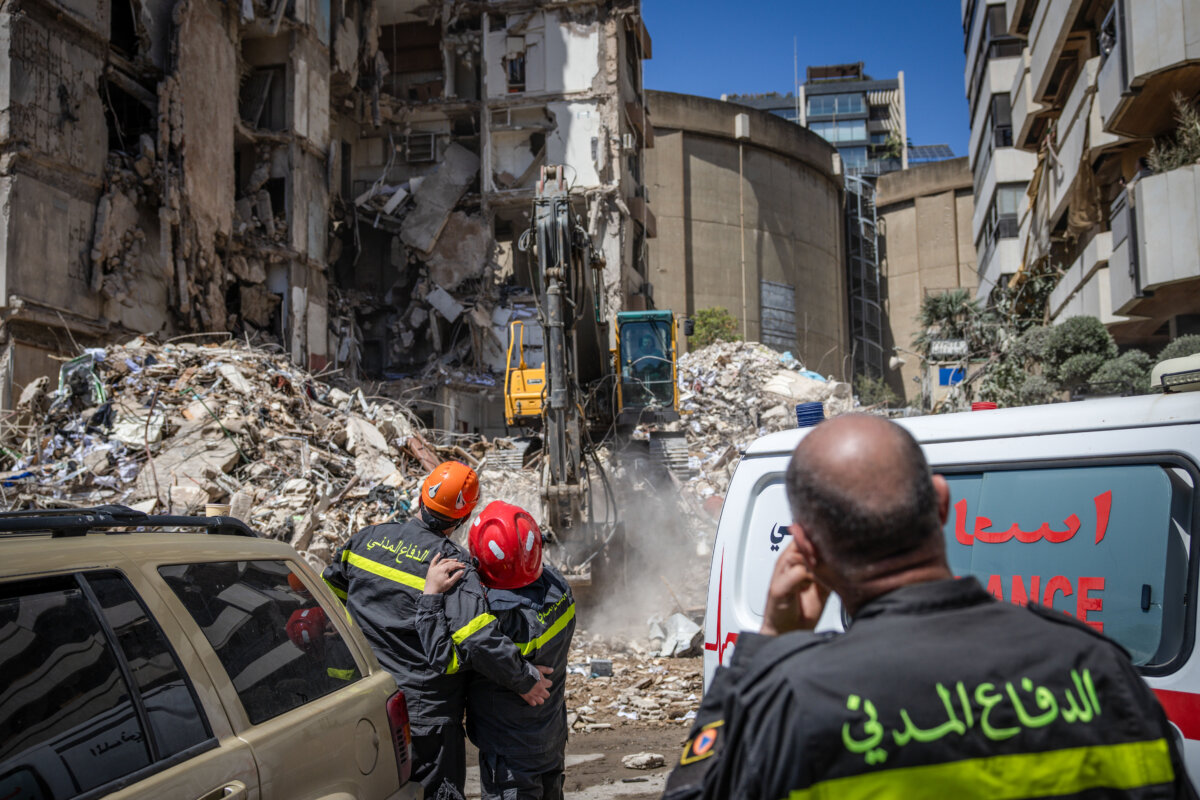
Almost 3,700 people have been killed in Lebanon by Israeli attacks since March 2, 730 of them women, children, or medics, according to Lebanon’s health ministry, while authorities say some 1.2 million people have been displaced in Lebanon. Israel says it does not target non-combatants.
U.S. and Iranian officials are expected to sign a memorandum of understanding in Switzerland on June 19 to end their war and reopen the Strait of Hormuz. Officials in Tehran said on Tuesday that any agreement between the United States and Iran aimed at ending the war requires Israel to withdraw its forces from southern Lebanon.
Israeli officials have repeatedly rejected any suggestion that their forces will leave southern Lebanon as part of the arrangement.
Trump has previously criticized Israel for attacking targets in Beirut, saying it could have complicated the U.S.–Iran memorandum of understanding.
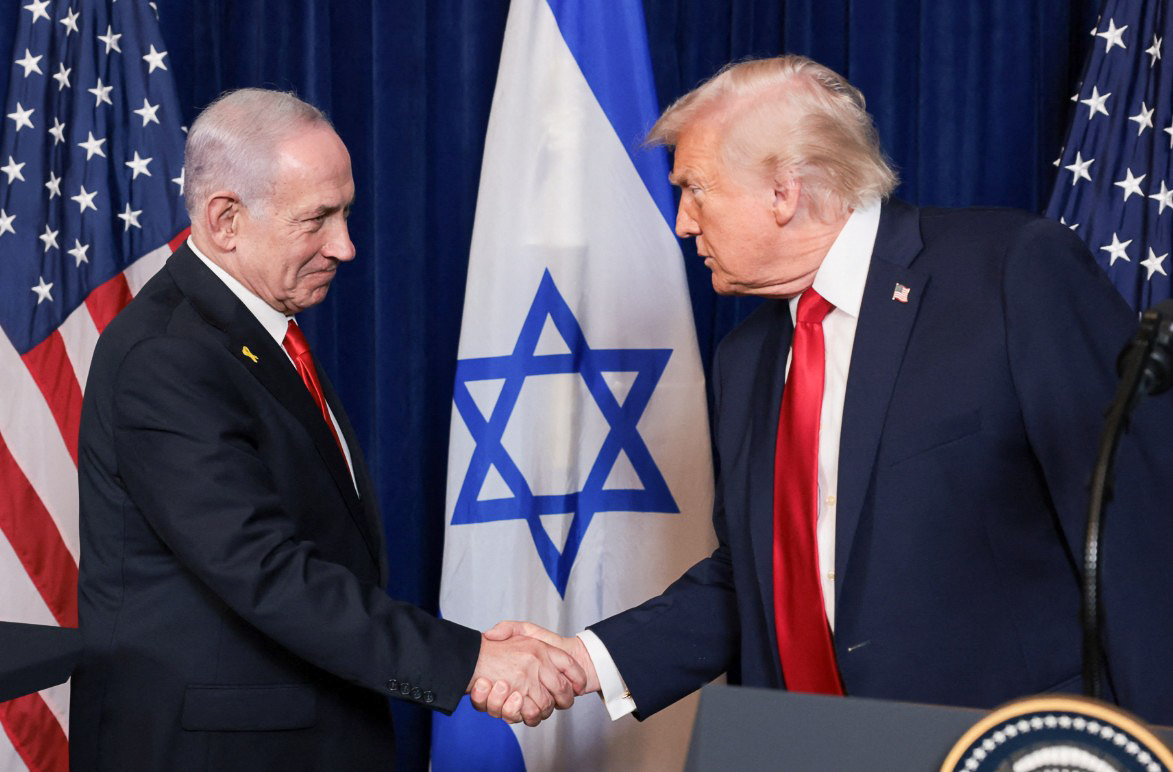
On Tuesday, Trump said he has a “great relationship” with Israeli Prime Minister Benjamin Netanyahu but added that Netanyahu should be more responsible with respect to Lebanon.
“Without us, without the United States, there would be no Israel. Without me, there would be no Israel, because no other president was willing to do what I did. Lebanon used to be a great country. It was a country where you had professors, doctors, lawyers. The great intellect was in Lebanon. Now it’s just terrible,” Trump said. “I would say of all the countries, they have been treated the worst, and they can’t defend themselves, and they have Hezbollah, which is a problem for them.”
The president said that he was “not happy with the way Israel has handled themselves with Lebanon and with Hezbollah.”
“[Israel] should have been able to do the job faster. It just goes on forever, and when that happens, it throws a negative light on the big deal, and that’s the deal we’ve had,” he added.
Defense Minister Israel Katz said on June 15 that the Israel Defense Forces (IDF) would remain in security zones in Lebanon, Syria, and Gaza “without any time limit.”
“We oppose an IDF withdrawal from Lebanon, despite all the existing pressures and those that will still come,” Katz said.
Netanyahu vowed that Israeli forces would remain in what he described as “deep security zones” established near Israel’s borders.
“We will remain in the security zones for as long as it is required to defend our country,” Netanyahu said during a June 15 televised address. “Because after October seventh, I established a simple principle: Israel will not allow terror organizations to encamp on our borders; to tunnel into our territory; to prepare for a massacre close to our citizens.”
A White House official said there has been “no greater friend to Israel and a fighter for peace than President Trump.”
“Americans and our allies around the world are already safer for the United States and Israel’s bold actions to deny the Iranian regime the ability to develop a nuclear weapon,” the official said.
In a March statement, the Israel Defense Forces (IDF) said it does not target civilians in Lebanon.
“We emphasize that the IDF operates against the Hezbollah terrorist organization, and not against the Lebanese Armed Forces or Lebanese civilians,” the IDF said. “The IDF will continue to operate with determination against the Hezbollah terrorist organization, which chose to join the hostilities and operate under the sponsorship of the Iranian terror regime. The IDF will not allow harm to Israeli civilians.”
Reuters and Tom Ozimek contributed to this report.
 Friends Read Free
Copy
Facebook
Tweet
Friends Read Free
Copy
Facebook
Tweet