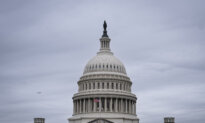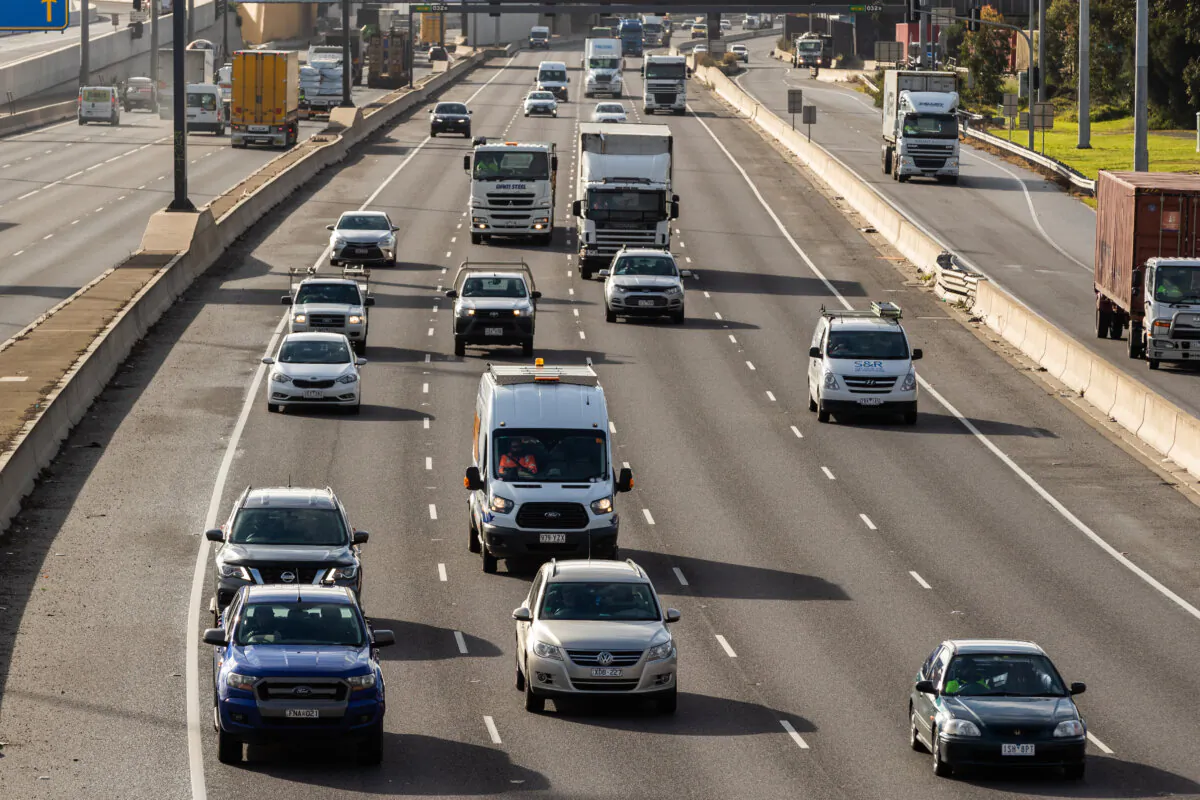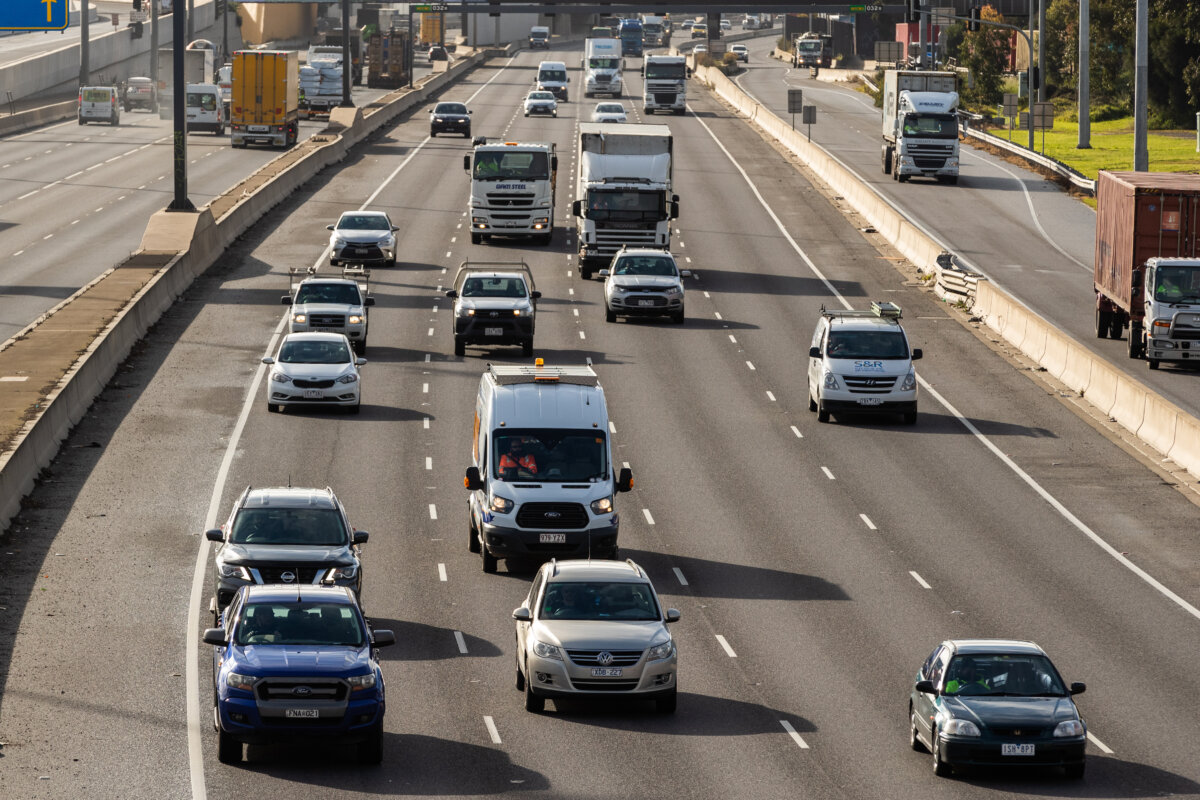

The feasibility of the Labor government’s 2035 net-zero target has been called into question after a Liberal senator revealed that it is impossible for Australian car dealers to sell the required number of EVs within the next decade.
In September 2025, the Albanese government released its latest ambitious climate change target, aiming to bring Australia’s carbon emissions down to 62–70 percent below 2005 levels by 2035.
The government also announced a roadmap that focuses on five priority areas and a $9 billion (US$5.84 billion) spending package to fast-track the initiative.
At the time, Prime Minister Anthony Albanese touted the new target as a “responsible” one that is “backed by the science, backed by a practical plan to get there, and built on proven technology.”
Climate Change Minister Chris Bowen also said the initiative was the government’s “most feasible decarbonisation pathway beyond 2030.”
A report (pdf) by the Climate Change Authority (CCA) indicated that to meet the 2035 emissions target, the number of EVs on Australian roads must increase more than twentyfold over the next decade, and that half of all new light vehicles sold between now and 2035 would need to be electric.
This translates to a national EV fleet of more than five million over the next decade.
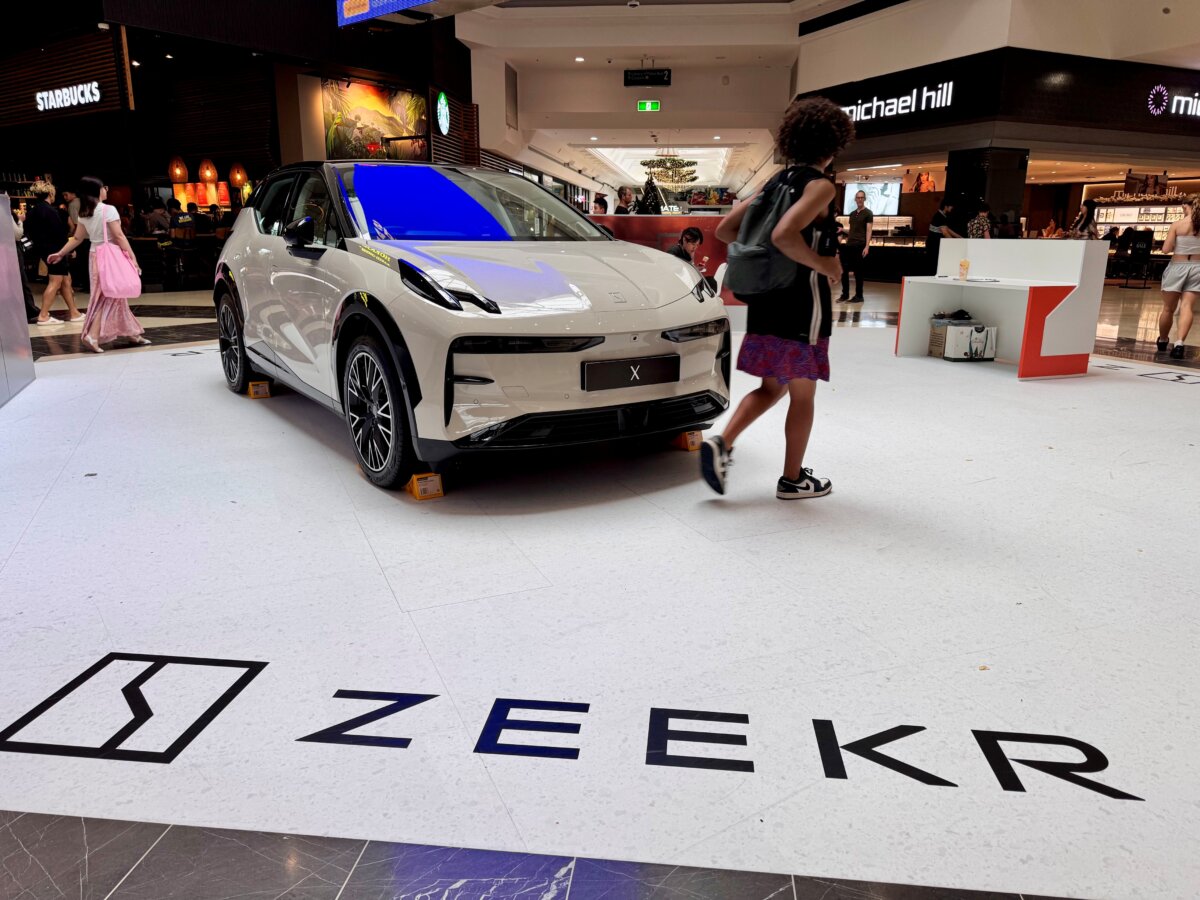
Dealers Can’t Sell That Many Cars: Liberal Senators
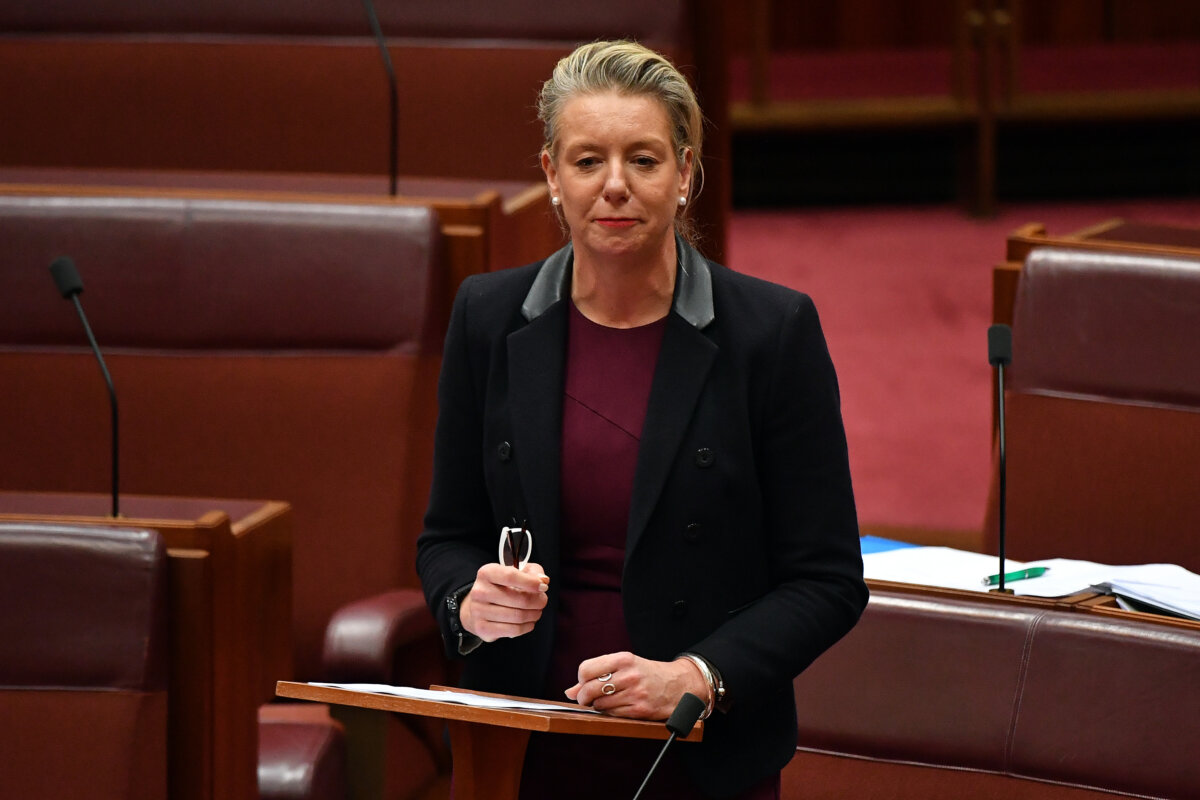
At a recent Senate Esimates hearing, Nationals Senator Bridget McKenzie pointed out that such a figure was unlikely to be achievable.
She explained that the automobile sector had admitted that they could not sell that many EVs in the coming decade.
“The actual industry body that represents both the producers and marketers of electric vehicles, hybrids and also represents those who are seeking to develop hydrogen technologies … has said on the maths [that] it’s actually impossible to sell in excess of six million new electrical vehicles by 2035, which is actually what this plan requires to be done if the target is to be met,” she said.
The senator also noted the technology of a potential car sale is not the focus of car dealers.
“Because car dealers are car dealers, if someone just wants to sell cars, and if they’re selling electric vehicles, that’s fine. If they’re selling petrol and diesel, that’s fine [too],” she said.
“Car dealers want to sell cars, irrespective of the technology, as you would understand, but the maths from industry, and it has been widely reported, actually said it was impossible.”
After Labor released its 2035 emissions target, the Federal Chamber of Automotive Industries (FCAI) raised concerns about the challenges the sector would face in meeting it.
In September, FCAI Chief Executive Tony Weber said the sale of battery electric vehicles accounted for less than 8 percent of new vehicle sales so far in 2025–a figure well below the level projected by the Climate Change Authority as necessary to meet Australia’s 2035 target.
He also noted the government needed to address many key barriers to ensure that EVs could contribute to the 2035 target.
“Consumers are not yet purchasing EVs at the rate that was expected, nor at the rate required to meet the emissions targets,” Weber said.
“Key to driving EV take-up is ensuring there is adequate charging infrastructure, reducing the total cost of ownership and that EVs meet the needs and desires of Australian motorists.”
McKenzie then asked representatives from the Climate Change Department about whether it had engaged with the automobile industry and listened to their views.
Climate Change Department’s Response
Kath Rowley, head of the emissions reduction division at the Department, did not give a direct answer to McKenzie’s question.
However, she explained that while increasing the country’s EV fleet is a cost-effective policy for reducing carbon emissions, it is not the only pathway to achieve the government’s 2035 target.
“The CCA analysis and the Treasury modelling identify, based on what we know, what the most cost-effective opportunities are,” Rowley said.
“But it’s not a prescriptive pathway. It’s not saying this must happen by this time in this place. It’s based on what we know where the cost-effective opportunities are.”
Rowley also noted that the government had not set a specific target for the EV industry.
“The fact is we haven’t set a target for the sectors, and the government hasn’t set a target for electric vehicle uptake,” she said.
“But for the national economy-wide target, if you do a bit less in some areas, then you need to do a bit more in other areas.
“It’s not correct to say that a particular thing must be done so as to achieve the national target. There’s a suite of options to choose from.”
 Friends Read Free
Copy
Facebook
Tweet
Friends Read Free
Copy
Facebook
Tweet