
Kuwait has accused Iran and allies of the Iranian regime of launching drone attacks targeting vital facilities, warning the strikes could undermine a fragile ceasefire and complicate upcoming U.S.–Iran negotiations in Pakistan.
Kuwait’s foreign ministry issued a statement on April 10 condemning what it described as “criminal attacks” carried out by Iran and “its proxies, including factions, militias, and armed groups loyal to it” on April 9, calling them a violation of its sovereignty and a challenge to international efforts that recently led to a temporary halt in hostilities.
“Continuation of these blatant attacks … against the State of Kuwait and the countries of the region undermines the regional and international efforts that recently resulted in the announcement of a ceasefire between the United States of America and the Islamic Republic of Iran, and constitutes a blatant challenge to the international community,” the ministry said, calling for Iran and its allies to immediately cease all attacks.
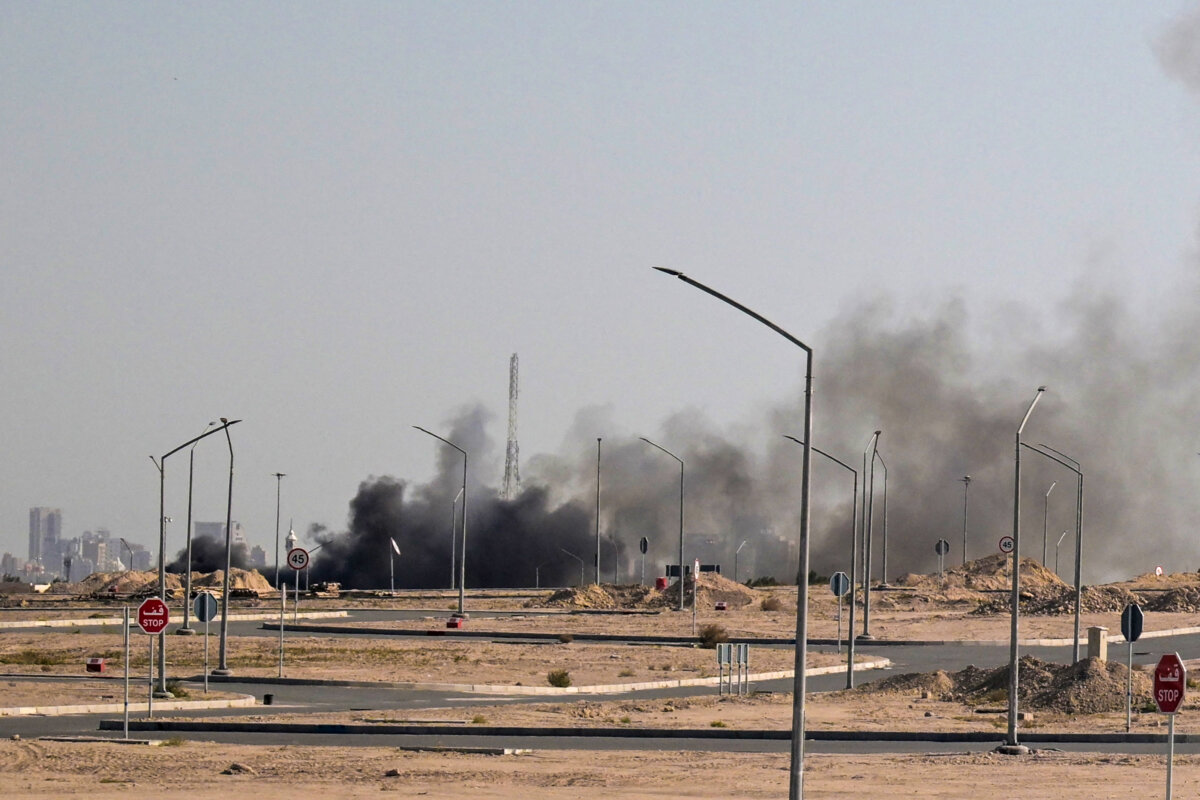
Kuwait’s armed forces said in an April 9 post on X that air defenses were actively intercepting hostile drones that had penetrated the country’s airspace. A military spokesman said the drones targeted “a number of vital facilities,” though authorities did not provide details on the extent of damage.
Earlier on April 9, Kuwait’s state news agency said in a social media post that a National Guard site was targeted by drones, causing significant material damage but no injuries.
Iran has denied responsibility. The Islamic Revolutionary Guard Corps (IRGC) said in remarks carried by the semi-official Tasnim News Agency that it had not launched any attacks on Gulf countries since the ceasefire came into effect, adding that any Iranian strike would be publicly acknowledged.
The exchange highlights mounting tensions just days after Washington and Tehran agreed to a two-week ceasefire aimed at halting a conflict that has disrupted energy markets and triggered widespread security concerns across the Gulf.
Ceasefire Strain Ahead of Islamabad Talks
The alleged strikes come amid heightened security concerns across Gulf states, many of which host U.S. military installations and have been exposed to missile and drone threats since the conflict began in late February.
Diplomatic efforts to settle the conflict are now shifting to Islamabad, where U.S. Vice President JD Vance is expected to lead a delegation for talks with Iranian officials. The negotiations, set to begin April 11, are seen as a critical step toward a broader settlement.

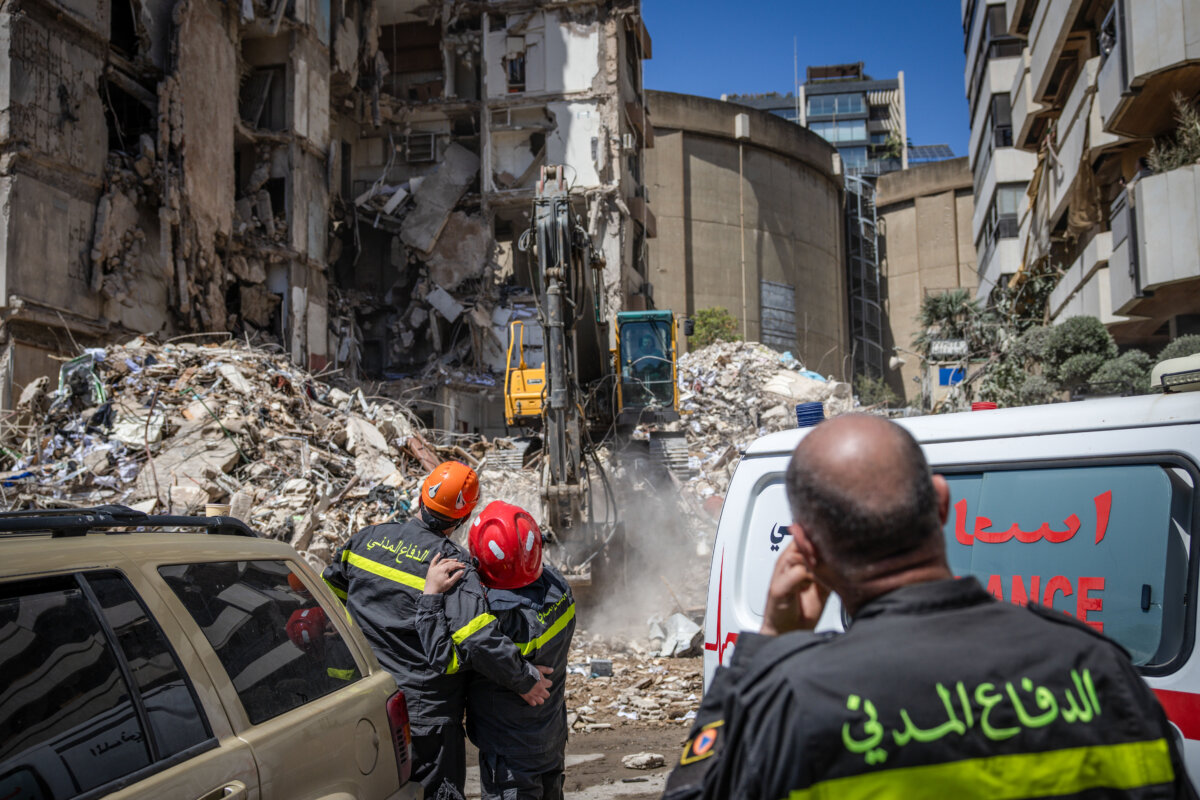
While the ceasefire has reduced large-scale direct attacks between Iran and the United States and its regional allies, tensions remain elevated. Israel has continued strikes on Hezbollah targets in Lebanon, which Tehran has described as a violation of the broader truce framework.
The Israel Defense Forces (IDF) said on April 8 that it had launched its largest coordinated strike in Lebanon and that more than 100 Hezbollah command centers and military sites were targeted in Beirut, the Beqaa Valley, and southern Lebanon.
“In 10 minutes, the IDF completed the largest coordinated strike across Lebanon since the start of Operation Roaring Lion,” the IDF wrote in a post on X. “The strike targeted 100+ Hezbollah headquarters, military arrays, & command-and-control centers in Beirut, Beqaa and southern Lebanon.”
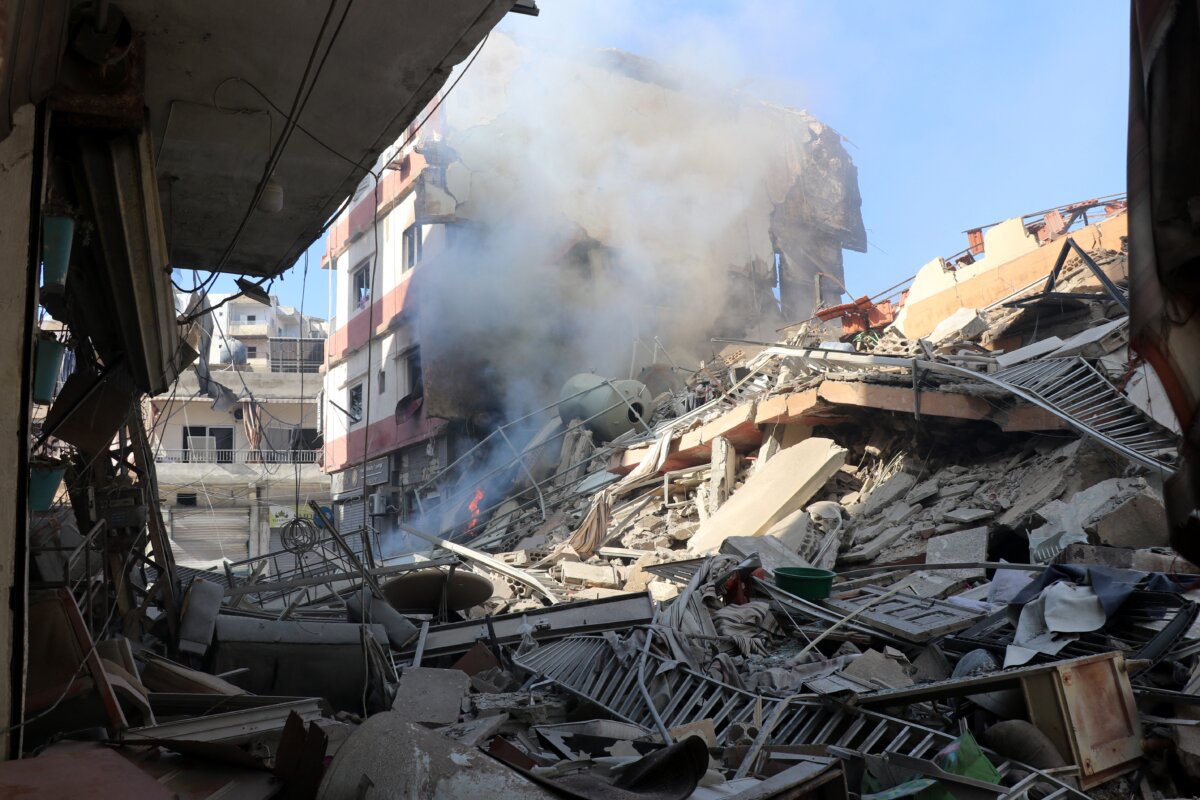
Iranian officials have suggested their participation in upcoming talks could depend on halting Israeli operations in Lebanon, further complicating the diplomatic landscape.
U.S. President Donald Trump said that he is “very optimistic” about the prospect that a lasting peace deal with Tehran will ultimately be struck.
“[Iranian officials] talk much differently when you’re at a meeting than they do to the press. They’re much more reasonable,” Trump told NBC on April 9. “They’re agreeing to all the things that they have to agree to. Remember, they’ve been conquered. They have no military.”
Trump reiterated his pledge to make it “very painful” for Iran if it doesn’t observe the ceasefire and “make a deal.”
Some analysts have said that the upcoming negotiations offer hope for a diplomatic settlement while warning that developments such as the latest accusations from Kuwait raise the risk of a quick unraveling of the ceasefire if attacks continue.
“The fact that we have the negotiations still ongoing, we have some serious people being put into the room by the U.S., keeps us hopeful that everybody wants an off-ramp,” Anoop Singh, global head of shipping research at Oil Brokerage Ltd., said. “The U.S. wants an off ramp, that Iran wants an off ramp, that they will do … what they can do. They will get the maximum leverage that they can, but we remain hopeful and positive that we will see some results out of this here.”
Both Iran and the United States have claimed success in the conflict thus far, and they head into talks with sharply divergent demands.
Tehran is pushing for a broad settlement that includes ending fighting across all fronts, including Lebanon, lifting sanctions, retaining uranium enrichment, and maintaining control over the Strait of Hormuz.
Washington is seeking a halt to uranium enrichment and removal of any existing stockpiles as part of a bid to prevent Iran from obtaining nuclear weapons, and the reopening of the Strait of Hormuz, among other demands.
 Friends Read Free
Copy
Facebook
Tweet
Friends Read Free
Copy
Facebook
Tweet