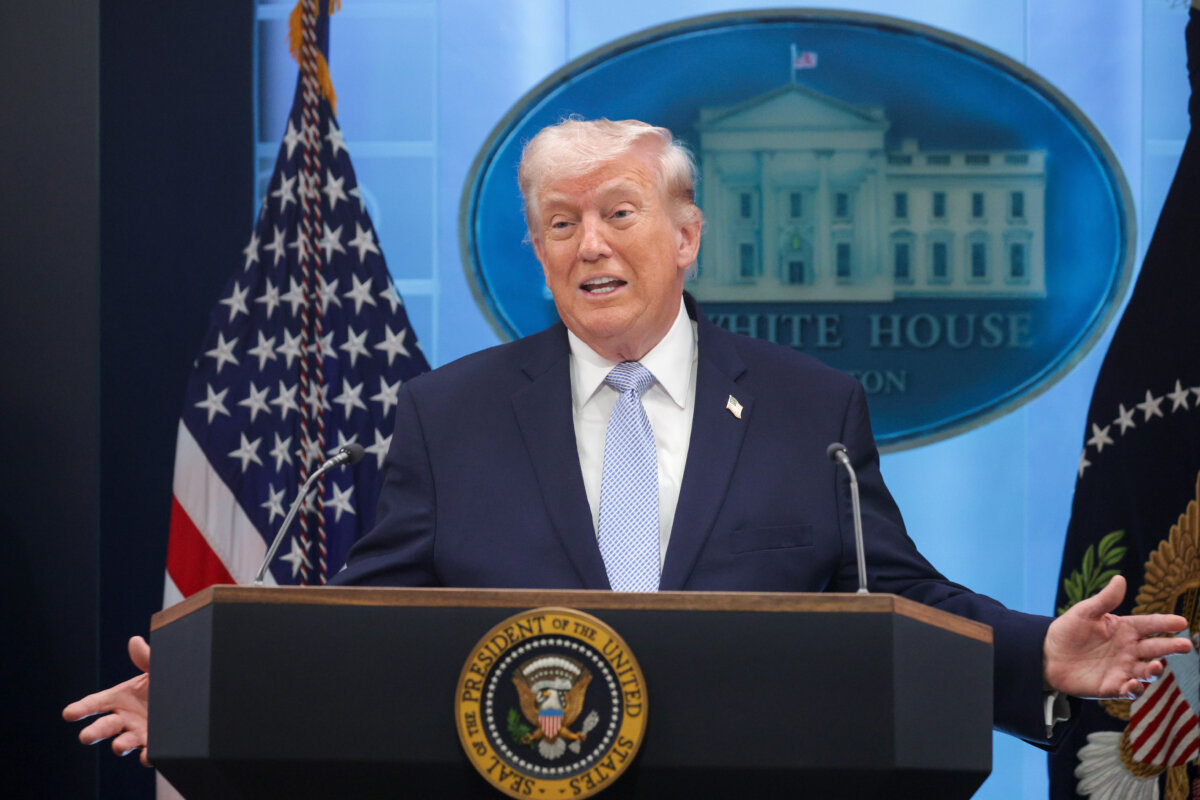

The Albanese government has renewed calls for de-escalation in the Middle East conflict after U.S. President Donald Trump criticised Australia for failing to support Washington’s actions against Iran.
Australian leaders moved quickly to emphasise restraint, with Prime Minister Anthony Albanese avoiding direct engagement with Trump’s remarks and instead focusing on the broader risks of escalation.
The prime minister reiterated Australia’s position on the conflict, while expressing concerns about its impacts.
“We want to see a de-escalation. We’ve called for that. We want to see clear objectives. The objectives that President Trump outlined at the beginning of the process have largely been achieved,” he told reporters.
“This is a conflict that is having a massive impact on the global economy, in particular, having a massive impact here, in Australia, as it is right around our region and right around the world.”
Attorney-General Michelle Rowland reinforced that stance, warning of the broader consequences of the conflict.
“Australia’s position continues to be that we call for an urgent de-escalation of this conflict. Australians and innocent people right around the world and in the region are being impacted by events that they didn’t cause, but it is having lasting impacts,” she told ABC Radio.
“It’s having impacts on our supply chains and causing real anxiety for Australians.”
Trump Criticises Allies
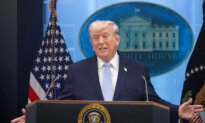
The response from Canberra follows latest criticisms from Trump, who accused U.S. allies of failing to assist in the conflict.
“They haven’t helped at all,” he said at a media conference on April 7 (Australian time).
“It’s not just NATO. You know who else didn’t help us? South Korea didn’t help us. You know who else didn’t help us? Australia didn’t help us. You know who else didn’t help us? Japan.”
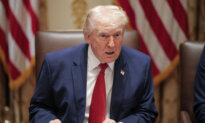
Trump also maintained a hard line on Iran, praising U.S. military operations while urging the Islamic regime to make a deal.
He said American forces were performing “unbelievably well” in the Middle East and warned Iran could be “taken out in one night, and that night might be tomorrow night.”
Opposition’s Mixed Response
Opposition Leader Angus Taylor backed the strategic objective of keeping key shipping routes open, while distancing himself from Trump’s language.
“I judge the president by his actions, not by his words—he doesn’t always use the same words I would,” he said.
Taylor also called on the government to be more transparent about Australia’s role and any requests made by the United States.
“It’s very unclear what has been asked of Australia through the course of this. The government hasn’t been transparent on that,” he said.
Nationals Leader Matt Canavan, however, supported the government’s decision to stay out of the conflict.
“I think the Australian government is right … I just want this conflict to end and we have seen the president make a number of statements in the last few days, some of them been a little bit weird and wild, but I don’t care about that,” he told Sky News.
Australia’s Limited Military Role
The Albanese government has maintained it will not engage in offensive military operations, instead positioning Australia as a supporting partner focused on regional stability.
In early March, Foreign Minister Penny Wong said Australia would not deploy group troops to Iran.
The Labor government later deployed a Royal Australian Air Force E-7A Wedgetail surveillance aircraft to the Middle East at the request of the United Arab Emirates (UAE).
The deployment aimed to help protect the UAE’s airspace and civilians following retaliatory attacks by Iran targeting the country.
 Friends Read Free
Copy
Facebook
Tweet
Friends Read Free
Copy
Facebook
Tweet