

In towns and suburbs filling with new arrivals, the stress of Australia’s migration challenges can be felt not just in crowded schools or rising property prices, but in the chaos of daily traffic.
It’s not often discussed, but the sudden influx of new residents (domestic and international) has created a clash of styles on Australia’s busy roads, whether that’s sudden lane changes, a lack of indicating, or tentative drivers still finding their way around.
In fact, according to AAMI’s 2023 Crash Index, some of the top “crash hotspots” in Australia’s capital cities were suburbs with high migrant populations, like Melbourne’s Glen Waverley or Brisbane’s Sunnybank and Eight Mile Plains.
Clem Chan, a driving instructor at DreamWorks Driving School in Brisbane, says standards vary overseas.
“The driving standard in some of those countries is substandard,” he told The Epoch Times.
“Some of them [migrants] … get their [overseas] licence [to drive] from A to B. Some of them haven’t invested in [driving] training.”

Chan also noted that, in some cases, drivers can obtain a licence without taking a proper test, which is alarming.
“You could say [in] some places they just pay for the licence, which I’ve heard some students literally do,” he said.
“They paid for the licence because they needed it, but they didn’t actually drive. And then they come on over, and they’re able to drive legally [in Australia],” Chan added.
“Some of them may or may not get any additional lessons just to assimilate with how the road works here. Some of them from those countries have no idea how to drive, but also have no idea how the road works.”
One typical example is when a driver performs a lane change without checking their mirrors, or doing a shoulder check, making it difficult for other drivers to react.
“Or sometimes they might just, all of a sudden, turn onto the wrong side of the road, just because they don’t know that’s the wrong side of the road,” Chan said.
“If there’s no oncoming traffic, great, but what happens if there is oncoming traffic at that particular moment? It’s hard to predict.”
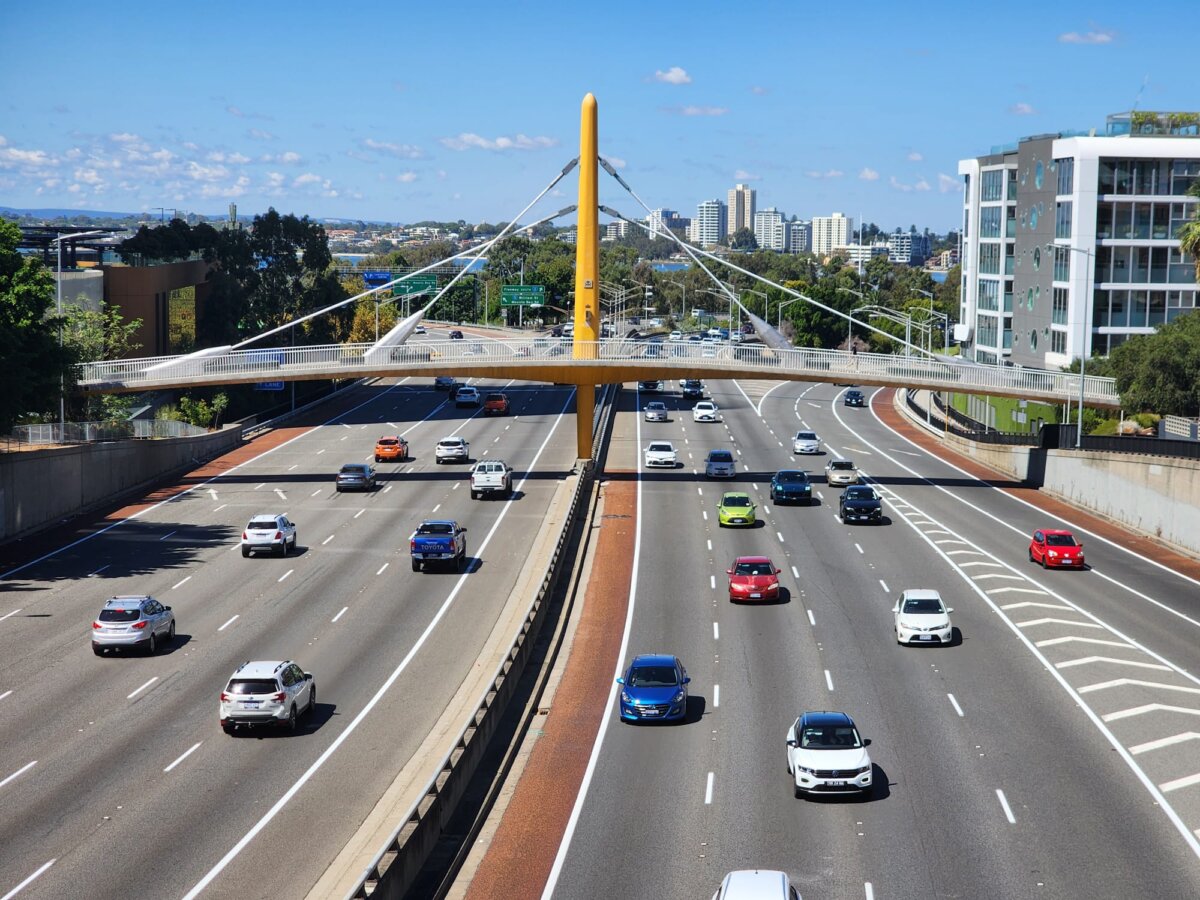
The Regulation for Overseas Drivers
Under current rules, temporary visitors to Australia with a valid overseas licence can drive without taking a test.
The duration and conditions may differ from state to state.
Meanwhile, long-term residents are required to convert their overseas licences to local ones, which may trigger testing requirements.
Now depending on whether they come from a country with a recognised driving qualifications, immigrants may be required to take a test (including theory) when converting.
In addition, certain states may have extra conditions.
For example, overseas licence holders from non-recognised countries can only obtain a provisional licence after passing their driving test in the Australian Capital Territory, rather than a full licence like in other states.
“Depending on where you’re from, there’s different restrictions as to whether you can or cannot drive, as to whether you need to do the driving test, or whether your licence is just a straight transfer,” Chan said.
“So there are people … from certain countries who can drive for a period of time without having a need to do any lessons or a test. And sometimes those are the scariest.”
September figures revealed New South Wales (NSW) and Victoria remained the country’s biggest magnets for new arrivals, despite an overall drop in volume.
NSW recorded 96,761 net migrants, the highest of any state, with 187,816 arrivals offset by more than 91,000 departures.
Victoria followed with 93,176 net arrivals, underscoring Melbourne’s continued population surge despite housing affordability pressures that can have a flow-on effect into regional areas.
Queensland was next with 54,535 net arrivals, followed by Western Australia (41,395) and South Australia (18,748).
Migrant Says She Had to Change Instructors
Olga Narygina is a migrant from Europe who now works as a health professional in Queensland.
She recently obtained her licence, but outlined concerns with some of the instruction she received.
Narygina was forced to withdraw from one instructor because she did not see much improvement.
“I just stuck with one [driving] lesson a week, and that got me nowhere. Basically, I’ve been with them for over a year, [and I] didn’t really improve my driving [skill],” she told The Epoch Times.
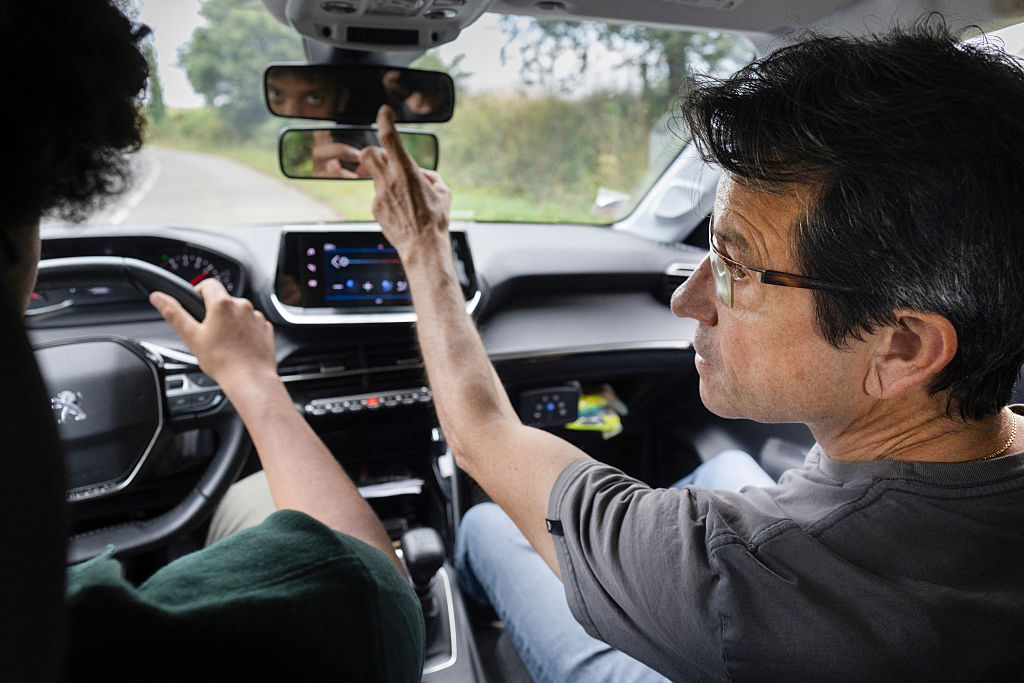
“I was not getting active feedback with my previous [driving] coach, I felt like they’re just sitting next to me to pass the time,” she said.
“The objective wasn’t to make me better, [or] to teach me something each lesson, but more like to pass this hour so they get their pay and we both go about our lives.”
After switching to Chan’s school, Olga noticed a difference in the training program, where the focus was to help her improve her skills.
Eventually, she was able to get her licence within three months.
“I think that it would be good if the instructor is interested in you passing [the driving test]. The main problem with my first school was they didn’t care how [I was doing],” Narygina said.
Some Instructors Under-Trained
Chan acknowledged not all instructors are truly qualified, as some lack teaching ability.
“Some [instructors] are under-trained and under-qualified, and obviously give us a bad name. And they’re not really teaching,” Chan said.
“I’ve heard multiple instances where a learner has got into the car with their instructor and they literally just drive, whether it’s driving for an hour, an hour and a half or two hours, they’re just driving [with weak instruction].”
Chan then advised driving instructors to take their job more seriously, as what they do has a significant impact on road safety.
“So if you’re not teaching, maybe it’s time for you to leave the industry and find another job because it’s already tough enough for the next generation,” he said.
“We’re talking about teaching a lifelong skill for the next generation of drivers.”
What Did the Transport Departments Have to Say?
New South Wales’ (NSW) transport department said it was committed to maintaining high safety standards across the state and to ensuring all drivers have the skills and experience to drive safely.
“We recognise that many people moving to NSW come from countries with different road rules and driving conditions,” a spokesperson for Transport for NSW told The Epoch Times.
“For this reason, NSW has clear and consistent licensing requirements for overseas licence holders that promote safety and align with national standards.
“From July 2023, overseas licence holders living in NSW for more than a short visit–within six months of continuous living in NSW–are required to convert their overseas licence to a NSW driver licence.”
Transport for NSW also encouraged overseas drivers to familiarise themselves with local road rules and take additional lessons if necessary.
“Accredited driving instructors play a vital role in helping drivers build safe driving habits and adapt to local road conditions. Road safety is everyone’s responsibility,” the spokesperson said.
Meanwhile, a spokesperson for Victoria’s Department of Transport and Planning said its highest priority was to ensure the safety of every road user in the state, regardless of where they obtained their licence.
“We have strict licensing laws to ensure everyone driving in Victoria understands the road rules and shares the road safely,” a spokesperson told The Epoch Times.
Queensland’s Transport and Main Roads Department said overseas licence holders are required to follow the same rules as local drivers and are subject to the same penalties for any violations.
“Under international conventions, overseas licences are recognised for visitors driving their origin country’s authorised vehicle class, provided they comply with licence conditions and Queensland road rules,” a spokesperson told The Epoch Times.
“Permanent residents must transfer to a Queensland licence within three months, with requirements varying by the issuing country and licence class.”
The spokesperson also noted that the Queensland government has provided road safety resources for international visitors, as well as collaborated with stakeholders, such as Tourism and Events Queensland, to promote road safety to tourists.
 Friends Read Free
Copy
Facebook
Tweet
Friends Read Free
Copy
Facebook
Tweet