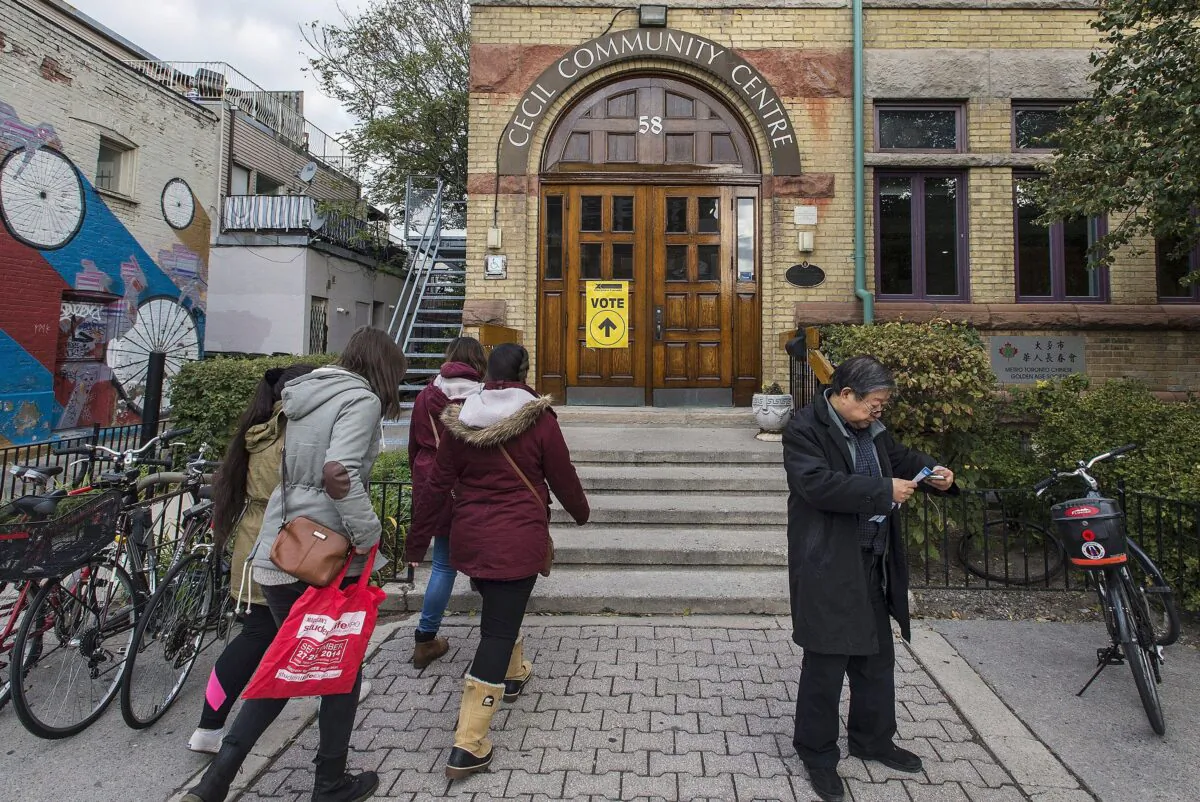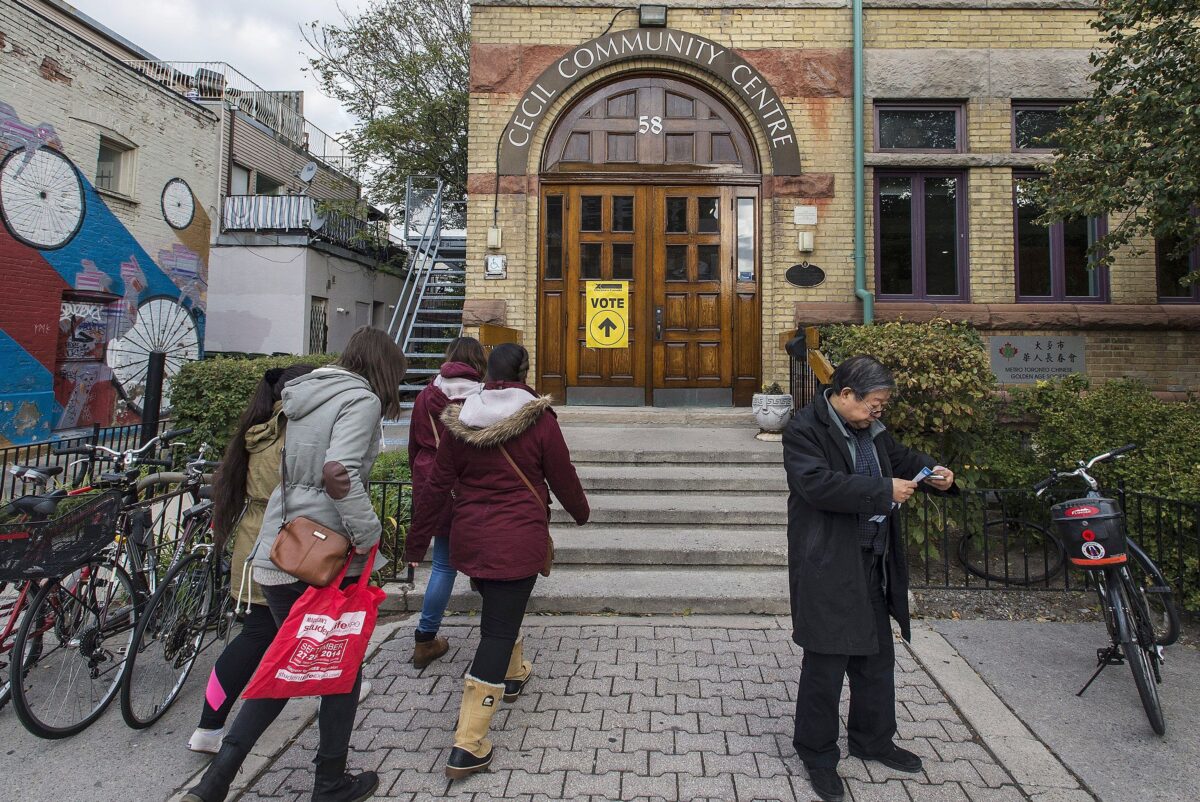
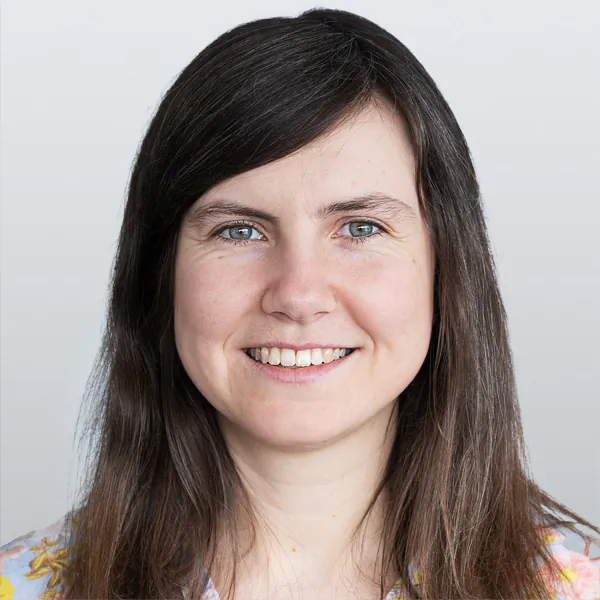
The Liberal Party says family physician Danielle Martin will be the party’s candidate in the upcoming federal byelection for the University–Rosedale riding in Toronto, which former MP Chrystia Freeland stepped down from in January.
Martin is also the executive vice-president at the Women’s College Hospital in Toronto and leads the Department of Family and Community Medicine at the University of Toronto. She appeared before a U.S. Senate subcommittee in 2014, for which she received “widespread recognition” for her remarks about Canada’s public health-care system, according to a biography posted by the Liberal Party.
The biography also says that Martin will be “a strong advocate for people across the riding” and is “ready to work with Mark Carney and the Liberal team to build a stronger economy, protect the vital programs workers and families rely on, and empower Canadians with more affordable living costs and more opportunities to get ahead.”
Martin says she is excited to work with the Liberals on “issues that matter, both locally and across the country.”
“I’m running because our community and our country are facing a critical moment, and leaders from all walks of life need to stand up for our values,” she said in a Jan. 31 statement.
The Liberals’ announcement comes after Freeland stepped down from Parliament and her role as an MP for the University–Rosedale riding on Jan. 9, a few days after accepting a position as an adviser to the Ukrainian government.
Freeland first announced she was taking the adviser position on Jan. 5, following an announcement earlier that day by Ukrainian President Volodymyr Zelenskyy about her appointment.
At the time she said that she was resigning from her role as the Canadian government’s representative for the reconstruction of Ukraine and that she would vacate her seat in Parliament “in the coming weeks.”
Freeland then announced on Jan. 7 that she would instead resign as a parliamentarian on Jan. 9, saying she had consulted the ethics commissioner and followed his advice on taking the unpaid advisor role on economic issues to the Ukrainian president.
Her announcement was met with criticism from opposition NDP and Conservative MPs, who said she should have resigned as an MP before accepting the position advising Ukraine.
Prime Minister Mark Carney said on Jan. 6 that he was “absolutely not” keeping Freeland on as a Liberal MP because the party has a minority government. After two Conservative MPs crossed the floor to join the Liberals last year, the Liberal Party was only one seat away from being a majority government. However, since Freeland resigned as an MP on Jan. 9, the Liberals are now two seats shy of a majority.
Freeland had also served as deputy prime minister from November 2019 to December 2024 under former Prime Minister Justin Trudeau, and last year she lost to Carney in her bid to lead the Liberal Party. She was first elected to Parliament as an MP in 2013 and served in various ministerial roles from 2015 to 2025, including most recently serving as transport and internal trade minister from March to September last year.
Freeland had resigned from cabinet last September, saying she would not be seeking re-election but would remain as an MP for the rest of her term. She said at the time that she wasn’t leaving her post to spend more time with family or because of the strain caused by political life, but to make way for others and to “seek fresh challenges” for herself.
That same month she took on the role of serving as Canada’s new Special Representativefor the Reconstruction of Ukraine. Freeland is of Ukrainian descent and played a role in steering Canada’s response to Russia’s invasion of Ukraine in 2022.
In addition to her new role as economic adviser to Ukraine, Freeland will also become CEO of the Rhodes Trust, a worldwide educational charity based in England, on July 1.
Carney has yet to call a byelection for the University–Rosedale riding. Elections Canada said on Jan. 9 that the date of the byelection must be announced between Jan. 20 and July 8, which would signal the start of the byelection period.
The byelection must be held on a Monday at least 36 days but no more than 50 days after the day the byelection is announced, Elections Canada said. It added that the earliest date the University–Rosedale byelection could be held is March 2.
Noé Chartier and Paul Rowan Brian contributed to this report.
 Friends Read Free
Copy
Facebook
Tweet
Friends Read Free
Copy
Facebook
Tweet