
Researchers at the University of Manitoba (UM) are developing a new breast cancer imaging technology aimed at improving detection and addressing gaps in current screening methods.
Joe LoVetri, a professor in the University of Manitoba’s Price Faculty of Engineering, and his team are working with Winnipeg-based medical imaging company Taumedis to refine the prototype into a practical, marketable device.
LoVetri said in a release the technology is the first of its kind to combine ultrasound and microwave imaging, and is designed to complement existing tools such as mammography.
“Mammography remains the standard for screening and diagnostic protocols, but gaps in access, capacity, and performance—particularly in dense breast tissue—continue to impact timely diagnosis,” said the release. “Taumedis and UM are developing a novel dual-mode imaging technology that distinguishes between different tissue types and properties. This technology could complement existing screening methods.”
The technology is intended to be used as a secondary scan to help confirm the presence of cancer following initial screening, with a first-in-human clinical study planned pending regulatory and ethics approvals.
Taumedis co-founder and CEO Henry Floreal said in the release that the collaboration aims to advance diagnostic tools and improve patient outcomes.
LoVetri said the partnership will help move the project’s dual-mode imaging technology to the clinical trial stage, building on more than two decades of work by students, researchers, and faculty.
Cameron Kaye, co-principal investigator and assistant professor in the radiology department at the Max Rady College of Medicine, said the project aims to address persistent gaps in breast cancer detection, particularly for patients with dense breast tissue, by evaluating a non-ionizing imaging approach that could complement existing methods.
According to Statistics Canada, breast cancer is the most commonly diagnosed cancer among women in Canada, excluding non-melanoma skin cancer, with about one in eight women expected to be diagnosed in their lifetime.
While the disease overwhelmingly affects women, it can also occur in men, who account for about 290 cases annually in Canada—less than 1 percent of total diagnoses—and roughly 55 to 60 deaths each year.
Ductal carcinoma and lobular carcinoma are the most common forms of breast cancer, while rarer types include inflammatory breast cancer and Paget disease of the breast, according to the Canadian Cancer Society.
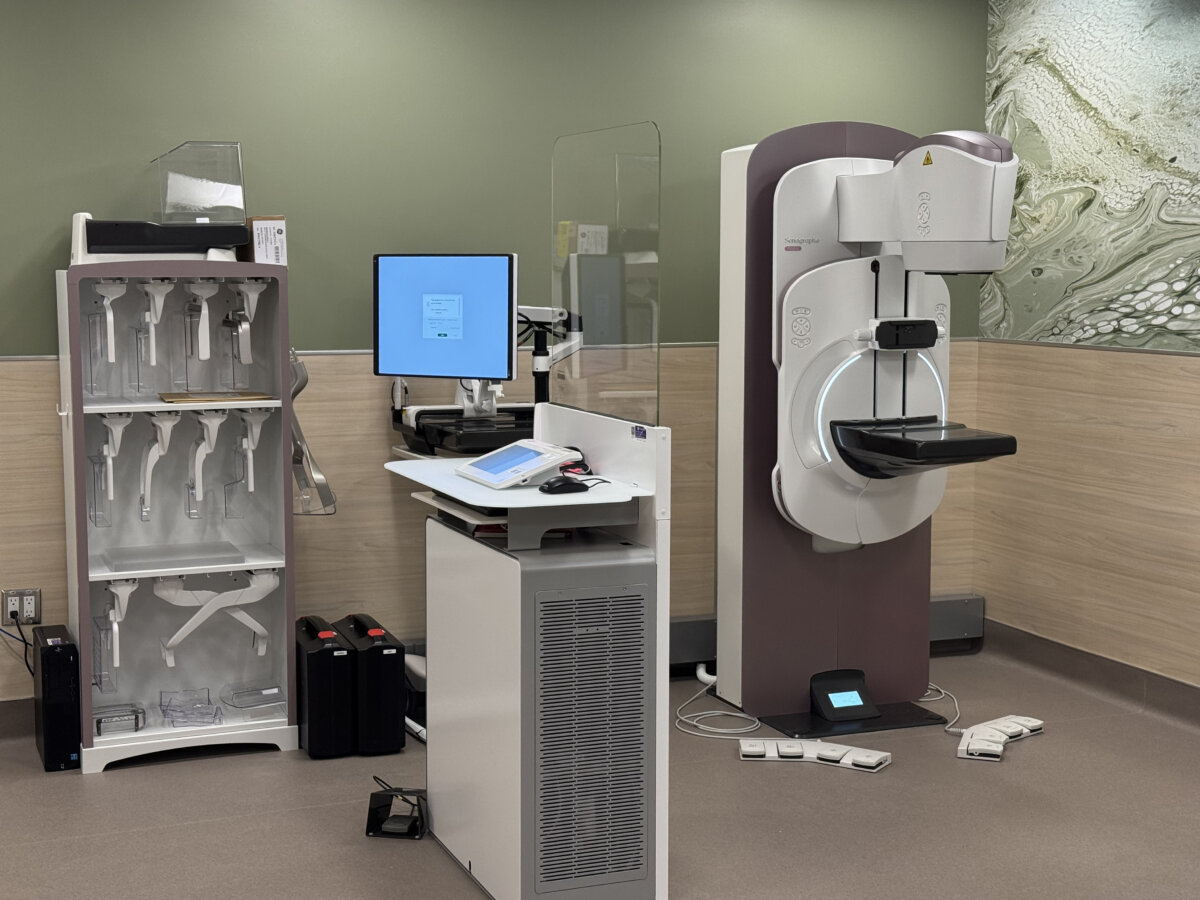
Although mammography remains the standard screening and diagnostic tool, limitations in access, system capacity, and reduced effectiveness in dense breast tissue may affect early detection.
 Friends Read Free
Copy
Facebook
Tweet
Friends Read Free
Copy
Facebook
Tweet