
Ottawa’s plan to increase the GST credit and offer a one-time payment to Canadians is projected to cost more than $12 billion over a span of six years, according to the Parliamentary Budget Officer.
The Office of the Parliamentary Budget Officer (PBO) released a report on Feb. 2 predicting the program announced last month by Prime Minister Mark Carney will incur a cost of $12.4 billion from fiscal year 2025–26 to 2030–31.
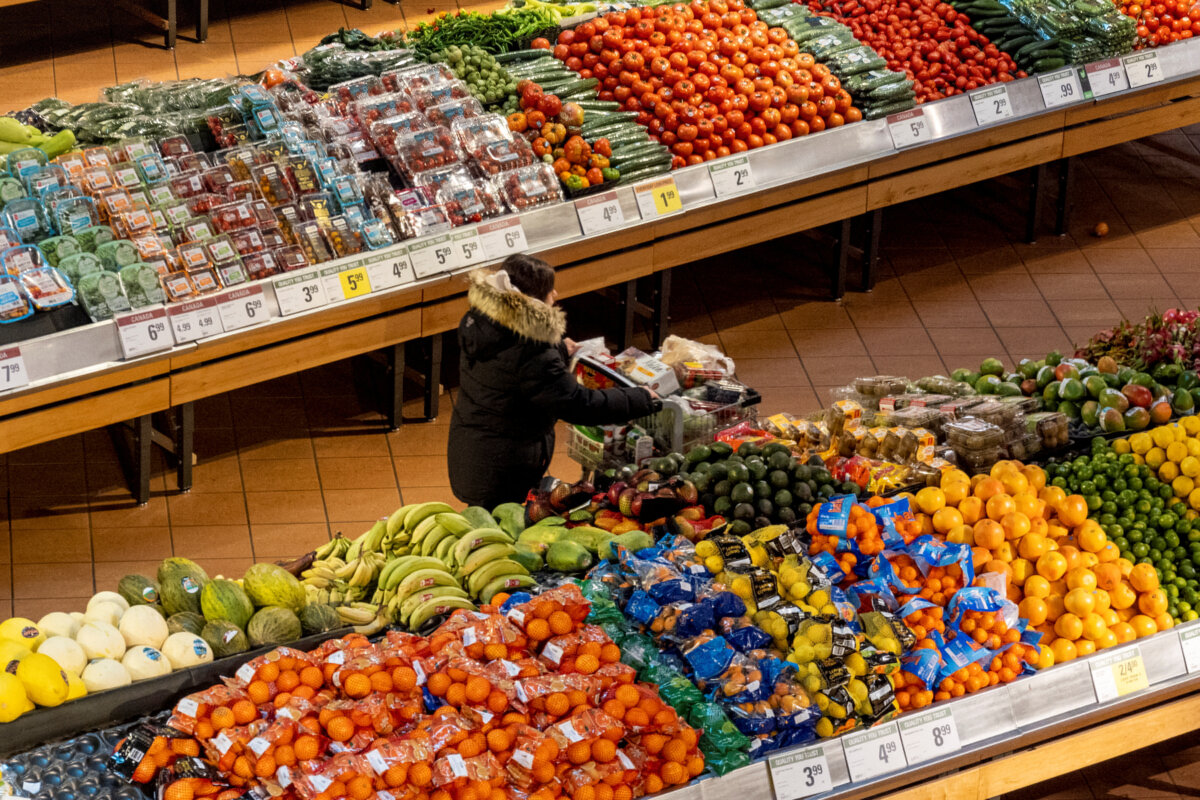
Carney on Jan. 26 pledged new measures designed to support lower-income consumers in coping with the rising price of groceries. Dubbed the Canada Groceries and Essentials Benefit, the program builds on the existing Goods and Services Tax (GST) credit, a tax-free quarterly payment for eligible recipients. It includes a 25 percent increase to the GST credit for five years starting in 2026–27 and a one-time top-up payment this spring worth 50 percent of the GST credit.
Carney told reporters during his Jan. 26 announcement that approximately 12 million Canadians are expected to meet the eligibility criteria. They will be granted the one-time 50 percent boost no later than June, with the 25 percent increase starting the following month. The increased credit will arrive every quarter for five years.
The PBO report projects that the one-time payment will exceed $3 billion this year, while the yearly increments are expected to range from nearly $1.8 billion to over $1.9 billion each year until 2030–31.
Carney has said the credits will help alleviate the burden of sales taxes incurred on groceries and household essentials for individuals and families with low-to-moderate incomes, while the Opposition Conservatives have argued that the measure won’t make up for food inflation over the past year.
Conservative Leader Pierre Poilievre said his MPs would support the measure. Meanwhile, his party’s newly appointed finance critic, Jasraj Singh Hallan, called it a “band-aid solution.”
Conservative Deputy Leader Melissa Lantsman noted during a Feb. 2 press conference that Canada’s food inflation is now the highest among G7 nations.
“Food inflation is now twice as high as it is in the United States, and has doubled since the Prime Minister became prime minister,” she said, while calling on Ottawa to propose solutions for the underlying issues causing inflation.
An average family of four is expected to spend more than $17,500 on groceries in 2026, according to Canada’s Food Price Report from the Agri‑Food Analytics Lab at Dalhousie University.
Lantsman referenced that figure, telling reporters that the rebate will hand eligible Canadians roughly an extra $10 per week, while most families are spending more than $300 weekly.
“Sure you’ll take $10 but it certainly doesn’t solve the actual problem,” she said. “We want to see [the government] get to the bottom of all of this to solve the actual problem.”
Carney said during his Jan. 26 announcement that the government is “working to address the root causes of inflation” and is also seeking “longer-term solutions to bring down the cost of groceries in Canada.”
Some of those measures appeared in Budget 2025, which was presented by the Liberal government in November 2025, such as the $5 billion Strategic Response Fund (SRF). Carney announced last month that his government will allocate $500 million through the fund to assist businesses in dealing with added costs from supply chain disruptions and $150 million through the existing Regional Tariff Response Initiative to make a Food Security Fund to support small and medium-sized businesses dealing with tariffs.
While these measures were included in last fall’s budget, the multi-billion dollar Canada Groceries and Essentials Benefit was not. The budget was presented on Nov. 4, 2025, with a $78.3 billion projected deficit for 2025 and $141.4 billion in new spending over five years.
The Tories have argued that tax-cutting measures would be more effective than rebates to help with the cost of food. To that end, Lantsman said the party plans to introduce a motion in Parliament on Feb. 3 that she says will offer solutions to high food costs. She did not say what all of the solutions will be but said the industrial carbon tax and federal packaging regulations paid by companies that are ultimately being passed along to shoppers should be cut.
Program Beneficiaries
Carney has said an average family of four who currently receives roughly $1,100 per year from the current GST credit will get an average of $1,890 this year under the new program, followed by $1,400 per year for the subsequent four years.
The increased credit will also grant an average of $950 for a qualifying single individual this year and $700 annually for the subsequent four years, in contrast to the existing average sum of $540.
“On average, these payments make up for the higher level of food prices since the pandemic,” Carney said during his announcement, adding that those who receive the cheques can use the money however they wish because it’s a “free country.”
The Canada Groceries and Essentials Benefit follows on the heels of a one-time extra GST payment to eligible recipients in 2023 by the administration of then-Prime Minister Justin Trudeau. The Trudeau government in July 2023 issued a one-time rebate to approximately 11 million low- and modest-income residents to help with rising food costs.
Trudeau also implemented a GST/HST holiday before Christmas in 2024. The tax break between Dec. 14, and Feb. 15 exempted “holiday essentials” such as snacks and prepared foods from GST and HST at the grocery store. Restaurant meals, beer, wine, and certain items for children such as clothing, footwear, diapers, and toys were also tax-free during the two-month period.
 Friends Read Free
Copy
Facebook
Tweet
Friends Read Free
Copy
Facebook
Tweet