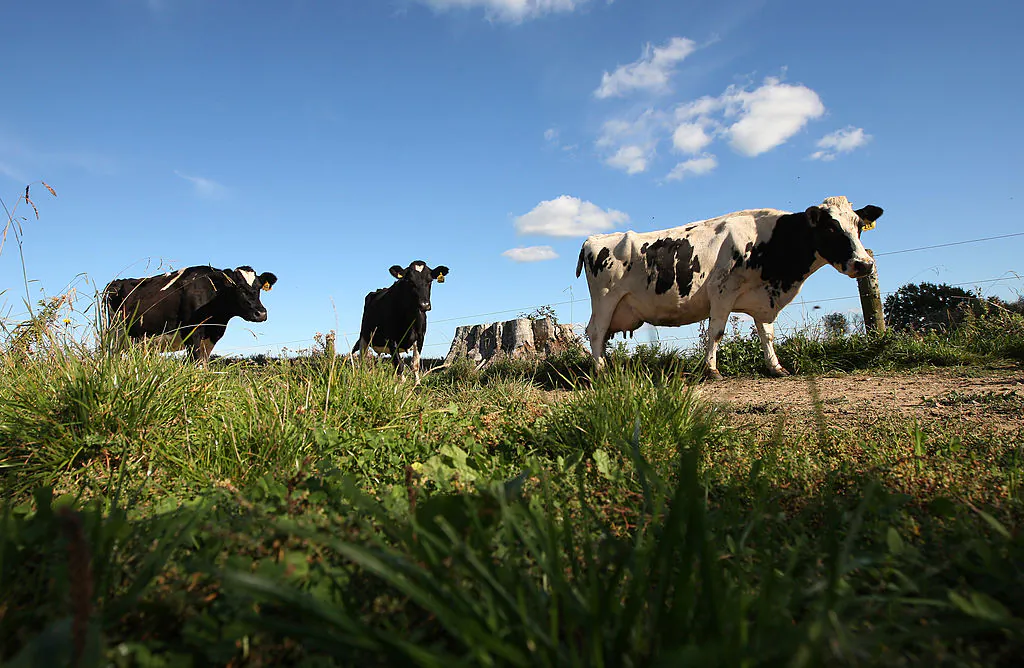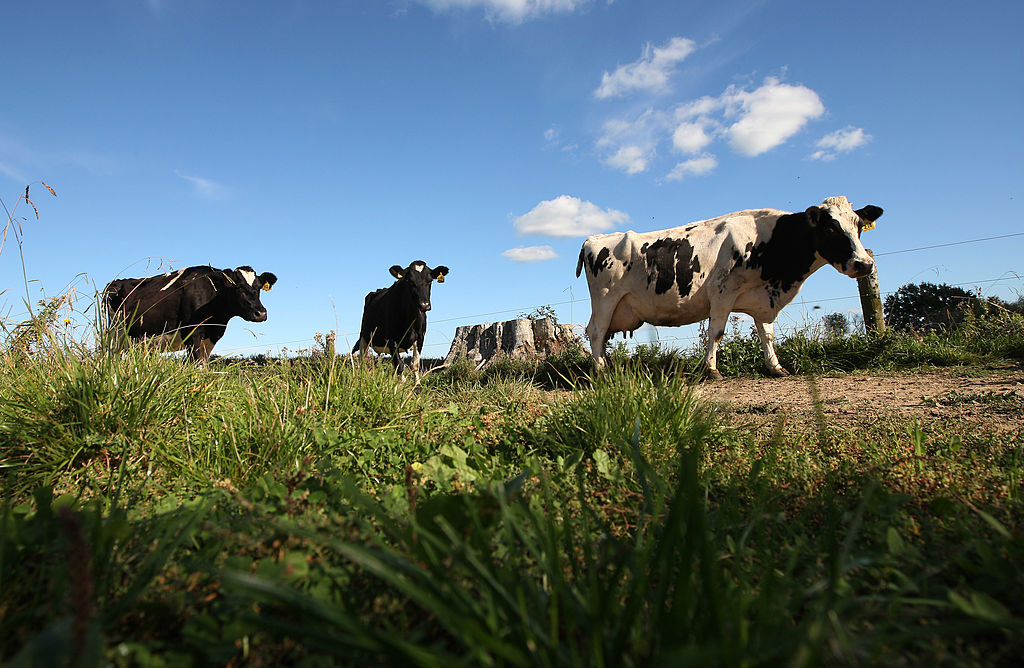

Canada will make changes to how it manages its dairy tariff rate quotas, which will grant greater access to products from New Zealand, after the two countries resolved a dispute under a free trade agreement.
Under the deal announced this week, New Zealand Trade Minister Todd McClay said it will deliver up to $129 million annually in export value for dairy exporters from his country.
“Canada had failed to meet its obligation to New Zealand in respect of dairy access, today’s agreement means they will now do so,” McClay said in a July 18 statement.
On the Canadian side, cabinet ministers said the deal will result in “certain minor policy changes” on how Canada administers its dairy tariff rate quotas (TRQs).
International Trade Minister Maninder Sidhu and Agriculture Minister Heath MacDonald said the policy changes are limited to quotas administered under the Comprehensive and Progressive Agreement for Trans-Pacific Partnership (CPTPP).
The ministers said in a statement that the changes “will not negatively impact Canada’s dairy industry or supply management,” adding their government “remains committed to maintaining, protecting and defending supply management.”
Production of dairy, eggs, and poultry is managed by supply management in Canada, with producers needing to purchase quotas to conduct business. The system is protected to various degrees in free trade deals with the imposition of high tariffs over certain quantities.
New Zealand launched a dispute settlement process under the CPTPP in 2022 to challenge how Canada manages its dairy TRQs. Other countries that are part of the free trade deal—Australia, Japan, Mexico, Peru, and Singapore—joined the dispute as third parties.
A CPTPP panel ruled in 2023 that Canada was in breach of its obligations under various provisions, such as not allowing eligible applicants to fully use the TRQs. Canada did not comply within deadline, and as a result, New Zealand requested compensation negotiations, which began in fall 2024.
New Zealand had also threatened to impose retaliatory tariffs against Canada last year.
Global Affairs Canada said some of the “minor” changes mentioned by the ministers include introducing a “chronic return penalty” for quota holders who do not fully use it, as well as an underfill mechanism for certain tariff rate quotas.
The New Zealand Foreign Affairs Department said the new rules will allow importers to access quotas “faster and more efficiently.” As for quotas repeatedly not being filled, it will be moved to an “on demand” allocation system, the department said, a system being used in other free trade agreements.
The protection of Canada’s dairy industry and supply management system has been a hot political issue of late amid trade negotiations with the United States. The system has been a longstanding irritant for Washington, and U.S. President Donald Trump has been critical of high Canadian tariffs faced by U.S. dairy farmers.
It was an issue Trump raised in his public letter to Prime Minister Mark Carney on July 10. Trump also threatened an increased tariff rate of 35 percent on Canadian goods planned for Aug. 1 because of Canada’s alleged “failure to stop drugs from pouring into our Country.”
“Canada charges extraordinary Tariffs to our Dairy Farmers—up to 400%— and that is even assuming our Dairy Farmers even have access to sell their products to the people of Canada,” Trump wrote. A few days prior, Trump had successfully compelled Ottawa to drop its Digital Services Tax targeting tech giants by pulling out of trade talks.
Prime Minister Mark Carney has repeatedly said that supply management would not be on the table during negotiations.
The protection of the system is supported by all parties in the House of Commons, with Parliament passing Bloc Québécois Bill C-202 in June seeking to shield it in trade negotiations.
Dairy Farmers of Canada welcomed the adoption of Bill C-202, saying it “equips Canada to continue to expand market opportunities for Canadian agriculture and agri-food exports, while safeguarding the food sovereignty of our country.”
The industry group said it’s aware of the deal reached between Canada and New Zealand. “We understand that this will result in certain minor policy changes to Canada’s TRQ administration,” the dairy farmers group told The Epoch Times in a statement, adding that it supports a “rules-based trading system.”
Sylvain Charlebois, director of the Agri-Food Analytics Lab at Dalhousie University, said on X that even though the Bill C-202 was adopted to protect supply management, “Canada has conceded once again.”
Charlebois is a critic of supply management, saying it’s an outdated system that doesn’t serve the economy and consumers. He called the deal with New Zealand a “positive development.”
“For far too long, Canadian dairy has restricted market access and faced little consequence. But with Trump’s posturing reigniting trade pressure, that era may finally be coming to an end,” Charlebois said on social media.
 Friends Read Free
Copy
Facebook
Tweet
Friends Read Free
Copy
Facebook
Tweet