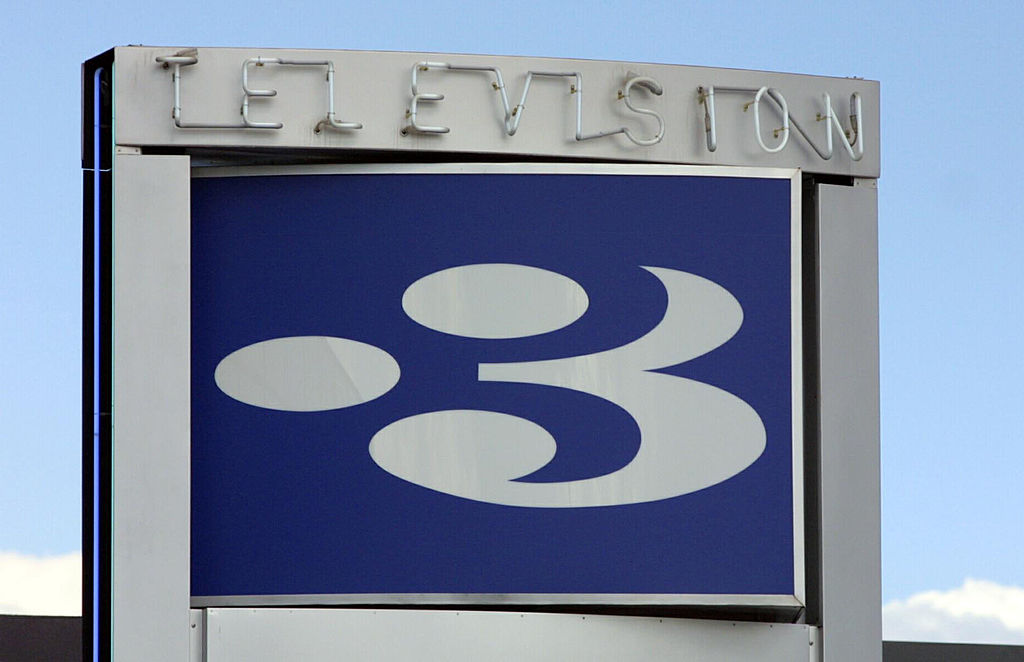

When privately-owned free-to-air television finally came to New Zealand on Nov. 26, 1989, it was seen as the harbinger of a new era, and for a while it was.
Television New Zealand (TVNZ), then and still state-owned, was seen as staid and unadventurous. With deregulation that year, the new channel, TV3, ended its monopoly and gave New Zealanders a choice in where they got their TV news.
It was then owned by MediaWorks, which had grown out of RadioWorks, itself a scrappy challenger to government-owned radio’s hold on the provinces.
TV3 brought a fresh approach to news and quickly gained a reputation for breaking stories, but never once topped its rival, which benefited from TV sets “stuck” to TV1 by tradition, and at a time when some televisions still didn’t have remotes.
Over the years, some TV3 programmes did outrate those of the opposition—particularly when it abandoned a lot of scripted content in favour of an early pivot to “reality” TV. But overall, the channel struggled to mount a consistent challenge to TVNZ, which was a major issue when both competed in a relatively small market for advertising dollars (TVNZ, although state-owned, is funded entirely from commercial revenue).
By 2020, MediaWorks had given up and sold TV3, along with two music video channels and its current affairs arm, Newshub, to Discovery. Two years later, Discovery merged with Warner Bros.
The backing of two international broadcasters generated new optimism among staff and the public, but it was short-lived. In 2024, Warner Bros. Discovery executives announced the closure of Newshub.
Now, on July 22, they walked away from the entire operation, selling it to New Zealand’s Sky TV for the sum of one dollar.
‘Not Commercially Viable’
Warner Bros. Discovery’s Australia & NZ managing director, Michael Brooks, said in a statement that the company was “not commercially viable … despite efforts to create a sustainable business model.”
The company had been sustaining considerable losses each year, including $138 million on its New Zealand operations in 2023 alone.
The abrupt closure of Newshub demonstrated that Warner Bros. Discovery wasn’t prepared to wait and hope, as MediaWorks and its various owners had done.
Sky had long been hovering as a potential buyer. It attempted to acquire MediaWorks in 2022 (following the sale of TV assets to WBD), but the idea failed to gain backing from shareholders. Sky’s share price rose when it became clear the deal had fallen through.
However, buying TV3 for a dollar, with no debt or other long-term liabilities, such as property leases, makes greater sense.
Sky CEO Sophie Moloney called it “an important missing component to Sky’s portfolio, without incurring significant … costs and inherent revenue risks associated with building a service ourselves.”
Sky already has one free-to-air channel, Sky Open, and the acquisition will gain it not only TV3 but three other less-watched brands: Bravo, Eden and Rush.
Whether Sky executives will keep the same programming—”reality” TV, general entertainment, and male-oriented programming, respectively—remains to be seen.
Also of considerable value is ThreeNow, the channel’s streaming app, which has more viewers and shows than Sky’s own on-demand service for non-subscribers.
Sky told investors the deal would bring it a total combined audience reach of 2.2 million in linear TV and 1.2 million digital viewers a week. It said it was aiming for a 35 percent share of total linear television ad revenue share, and 24 percent of total digital TV revenue.
 Friends Read Free
Copy
Facebook
Tweet
Friends Read Free
Copy
Facebook
Tweet