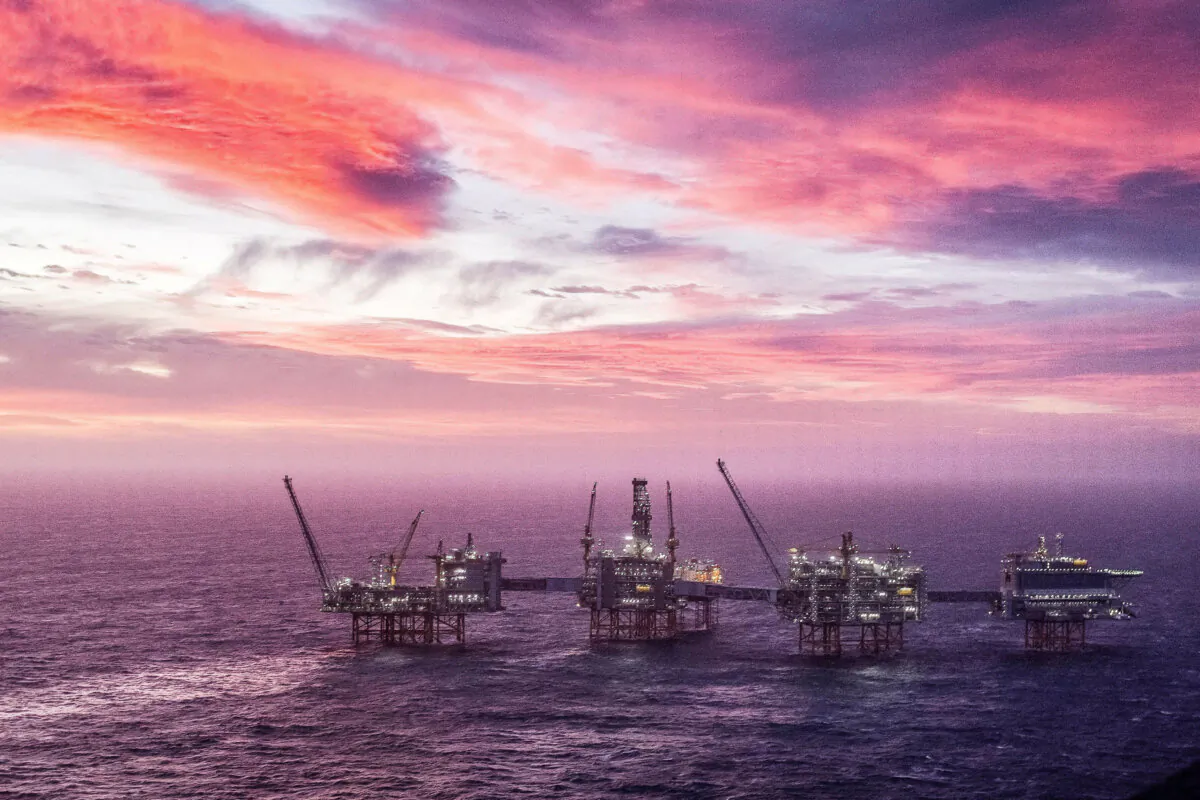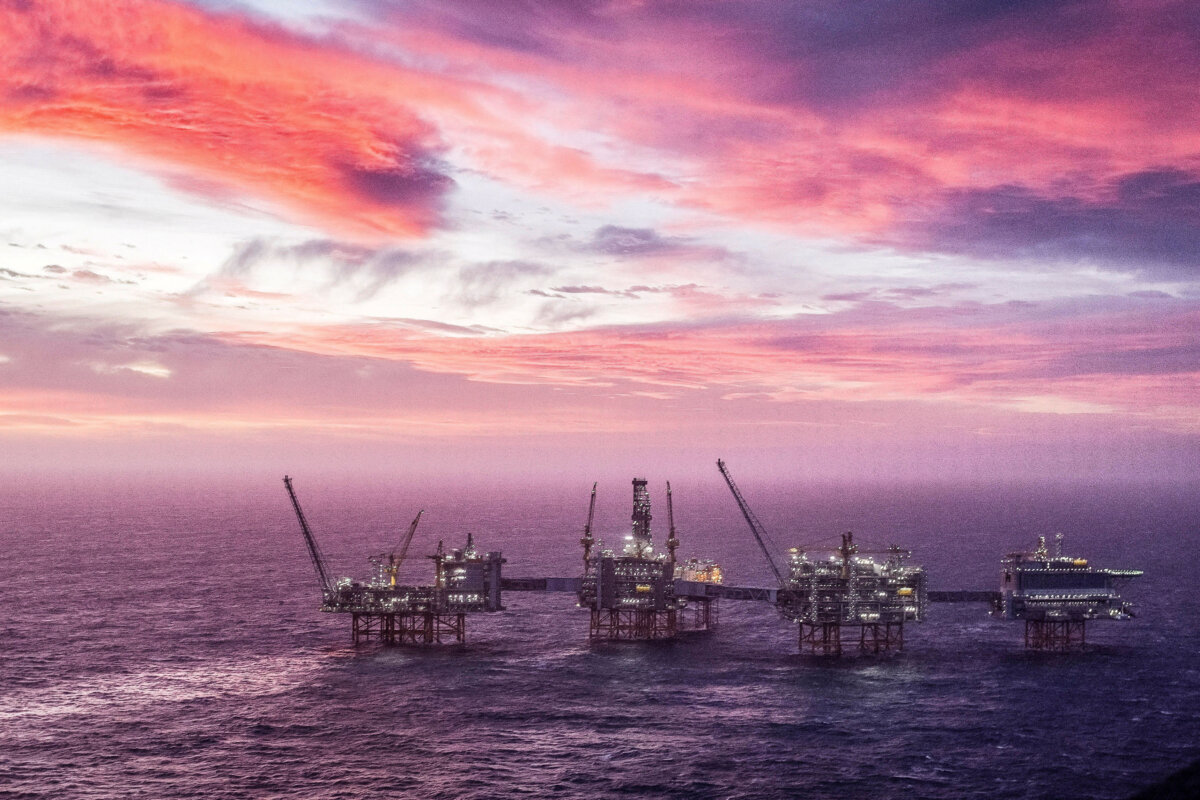

The price of North Sea oil hit a new record high on April 10 as traders rushed to secure supplies amid ongoing uncertainty in the global energy market brought about by the situation in the Strait of Hormuz.
Hundreds of tankers and ships have been stuck in the Persian Gulf since late February due to the Iran conflict.
Forties Blend, the marker used for oil cargoes produced off the UK coast, jumped to almost $147 a barrel late on April 9.
That shot passed the previous high reached during the 2008 financial crisis, the Financial Times reported, citing data from the London Stock Exchange Group (LSEG).
The price of North Sea oil has risen markedly since the start of the United States and Israel’s war with Iran, up from around $60 a barrel at the start of 2026.
It’s trading at a significantly higher price than the benchmark Brent crude oil, which moved slightly higher during concerns surrounding the ceasefire deal announced earlier this week.
On the morning of April 10, Brent was up by 1.9 percent to 97.79 dollars a barrel.
The news came as U.S. President Donald Trump accused Iran of doing a “poor job” of keeping to the ceasefire deal, which included the immediate opening of the Strait of Hormuz.
Brent crude had dropped to around $90 a barrel following the announcement of the two-week cessation in hostilities, but has since jumped up again, amid uncertainty surrounding the ceasefire.
“There are reports that Iran is charging fees to tankers going through the Hormuz Strait—They better not be and, if they are, they better stop now!” Trump said in an April 9 post on Truth Social.
“Iran is doing a very poor job, dishonorable some would say, of allowing Oil to go through the Strait of Hormuz. That is not the agreement we have!” he added in a follow-up post the same day.
Iran said on April 9 that the Strait of Hormuz is open to all civilian shipping but warned vessels to coordinate with Tehran, due to the risk from mines in the channel.
Starmer Speaks to Trump
British Prime Minister Keir Starmer, whose country, along with Norway, holds the rights to the bulk of oil and natural gas in the North Sea, said on April 10 that he had spoken with Trump the day before to discuss military capabilities and the logistics of moving ships through the Strait of Hormuz.
“We’ve been pulling together a coalition of countries … working on a political, diplomatic plan, but also looking at military capabilities and … the logistics of actually moving vessels through the Strait,” Starmer said during his visit to the Gulf.
“That was the focus of the discussion last night—reflection on what I’ve been discussing here, but also that focus on a practical plan in relation to navigation through the Strait,” he added, providing no further details.
Starmer’s conversation with the president came after he said he was frustrated that energy prices were going up and down due to actions taken by the United States and Russia.
“I’m fed up with the fact that families across the country see their bills go up and down on energy, businesses’ bills go up and down on energy, because of the actions of Putin or Trump across the world,” he said on an episode of British outlet ITV News’s Talking Politics podcast, which was released on April 9.
Pakistan Peace Talks
Meanwhile, preparations are underway in the Pakistani capital, Islamabad, ahead of U.S.–Iranian negotiations slated to take place in the city over the weekend.
U.S. Vice President JD Vance is set to lead the American negotiating team. Iran has not announced who will lead its team.
White House press secretary Karoline Leavitt said in an April 8 news briefing that U.S. special envoy to the Middle East Steve Witkoff and Jared Kushner, U.S. President Donald Trump’s son-in-law and senior adviser, would be part of the negotiating team.
Pakistani Interior Minister Mohsin Naqvi met with U.S. Chargé d’Affaires Natalie Baker on April 9 to discuss the upcoming talks, according to an official statement.
Naqvi said the U.S. and Iranian delegations would be “special guests” and would be protected by a comprehensive security plan.
Pakistan, which has a large Shia Muslim minority, has seen demonstrations in support of Iran during the conflict, which began on Feb. 28.
Reuters and Chris Summers contributed to this report.
 Friends Read Free
Copy
Facebook
Tweet
Friends Read Free
Copy
Facebook
Tweet