Pakistan is tightening security in the capital, Islamabad, as it prepares to host talks between delegations from the United States and Iran on April 11.
The two-week ceasefire between the United States and Iran, conditional on the full reopening of the Strait of Hormuz, was announced on April 7, but Tehran and Pakistan’s prime minister have said the truce also included Lebanon, a claim Washington has denied.
Pakistani Prime Minister Shehbaz Sharif, whose government helped broker the deal, said in an April 8 post on X announcing the agreement that the ceasefire was effective immediately “everywhere, including Lebanon and elsewhere.”
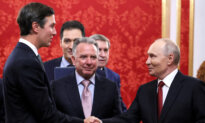
U.S. Vice President JD Vance is set to lead the American negotiating team. Iran has not confirmed who will lead its team.
White House press secretary Karoline Leavitt said in an April 8 news briefing that U.S. special envoy to the Middle East Steve Witkoff and Jared Kushner, U.S. President Donald Trump’s son-in-law and senior adviser, would be part of the negotiating team.
Pakistani Interior Minister Mohsin Naqvi met with U.S. Chargé d’Affaires Natalie Baker on April 9 to discuss the upcoming talks, according to an official statement.
Naqvi said the U.S. and Iranian delegations would be “special guests” and would be protected by a comprehensive security plan.
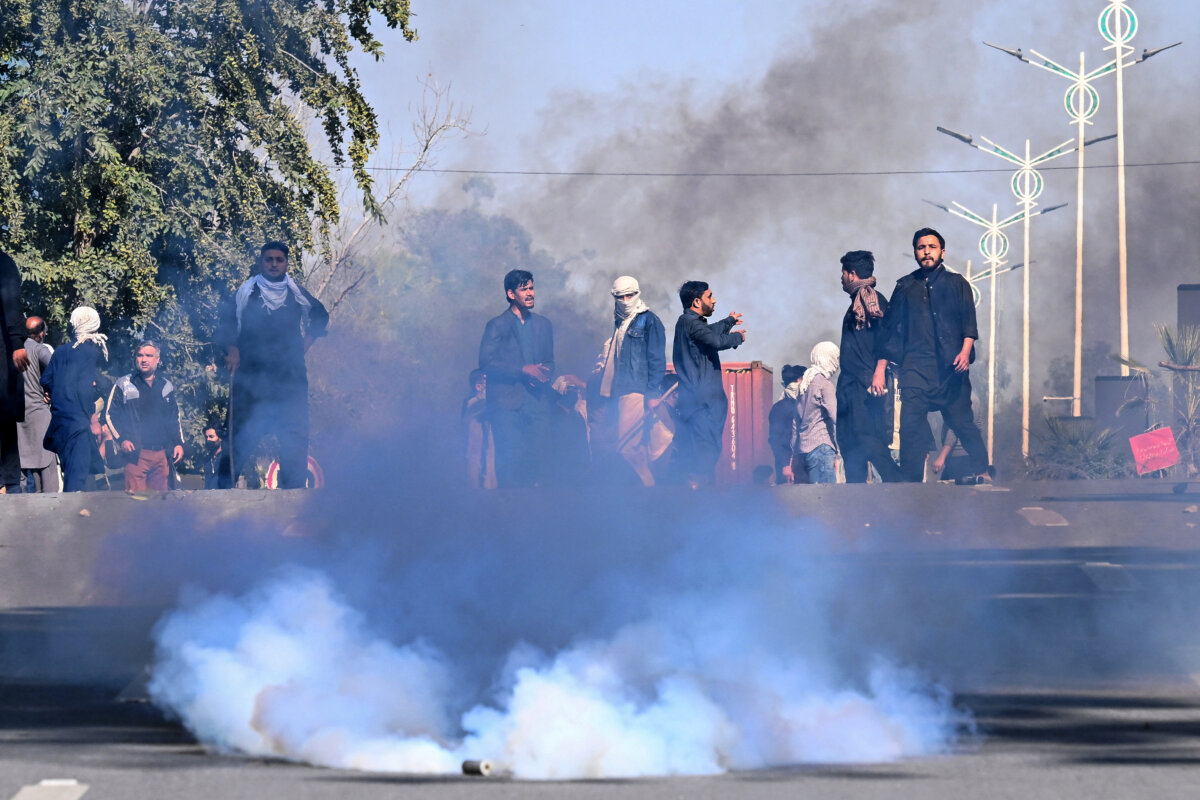
Pakistan, which has a large Shia Muslim minority, has seen demonstrations in support of Iran during the conflict, which began on Feb. 28.
On March 1, at least 22 pro-Iran demonstrators were killed when they clashed with police after trying to storm the U.S. Consulate.
Schools, Government Offices Closed
The Pakistani government has ordered all schools and government offices in Islamabad to close for two days to reduce congestion during the peace talks and has also blocked roads between the city and Rawalpindi.
On April 9, shipping containers were moved into place, blocking roads leading to the city’s Red Zone, a heavily fortified area that houses the president and prime minister’s office, and foreign embassies.
Tight security has been put in place around the hotel where the delegations are expected to stay.
The first round of talks is scheduled for April 11.
Iranian Deputy Foreign Minister Saeed Khatibzadeh told British broadcaster ITV on April 9 that Iran’s delegation will go to Pakistan.
“At this moment that I’m talking, I hope that we can proceed to go to Pakistan, and this is the program that we are working on. So, we hope that we can meet soon in Pakistan to wishfully reach a settlement and agreement for permanent peace in the whole Middle East,” Khatibzadeh said.
“Lebanon is included in the ceasefire … nobody can think of a peace in the Middle East, lasting peace in the Middle East, unless there is an inclusive agreement for everyone involved. So, this is not just for Iran, it’s a responsibility to everybody … to make sure that Lebanon is included in any peace settlement that is going to happen.”
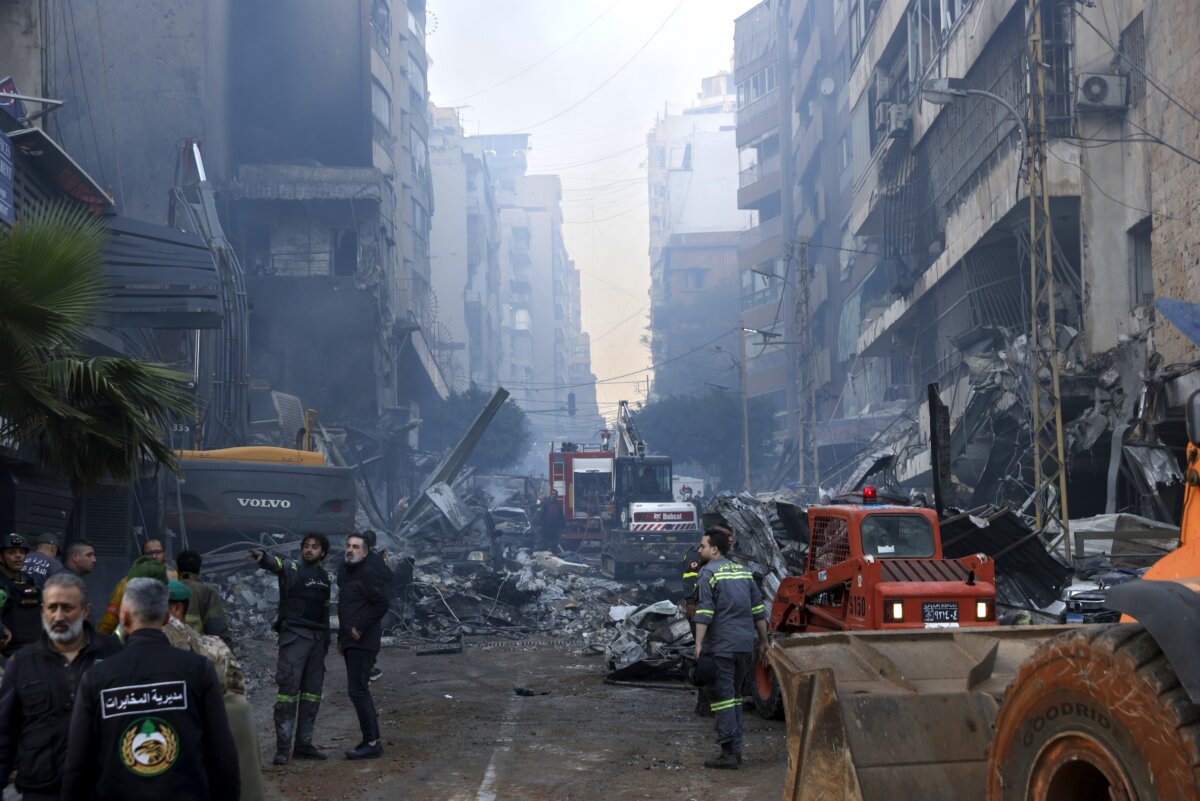
Vance said that if Iran chooses to let the negotiations fall apart due to Lebanon not being included in the ceasefire, “that would be dumb, but that’s their choice.”
In an April 8 post on X, Mohammad-Bagher Ghalibaf, Iran’s Parliament speaker, said the breaches of the ceasefire included Israel’s attacks on Hezbollah in Lebanon, an alleged drone incursion over the city of Lar in Fars province, and Washington’s refusal to accept Iran enriching any uranium in a final agreement.
“The deep historical distrust we hold towards the United States stems from its repeated violations of all forms of commitments, a pattern that has regrettably been repeated again,” Ghalibaf wrote.
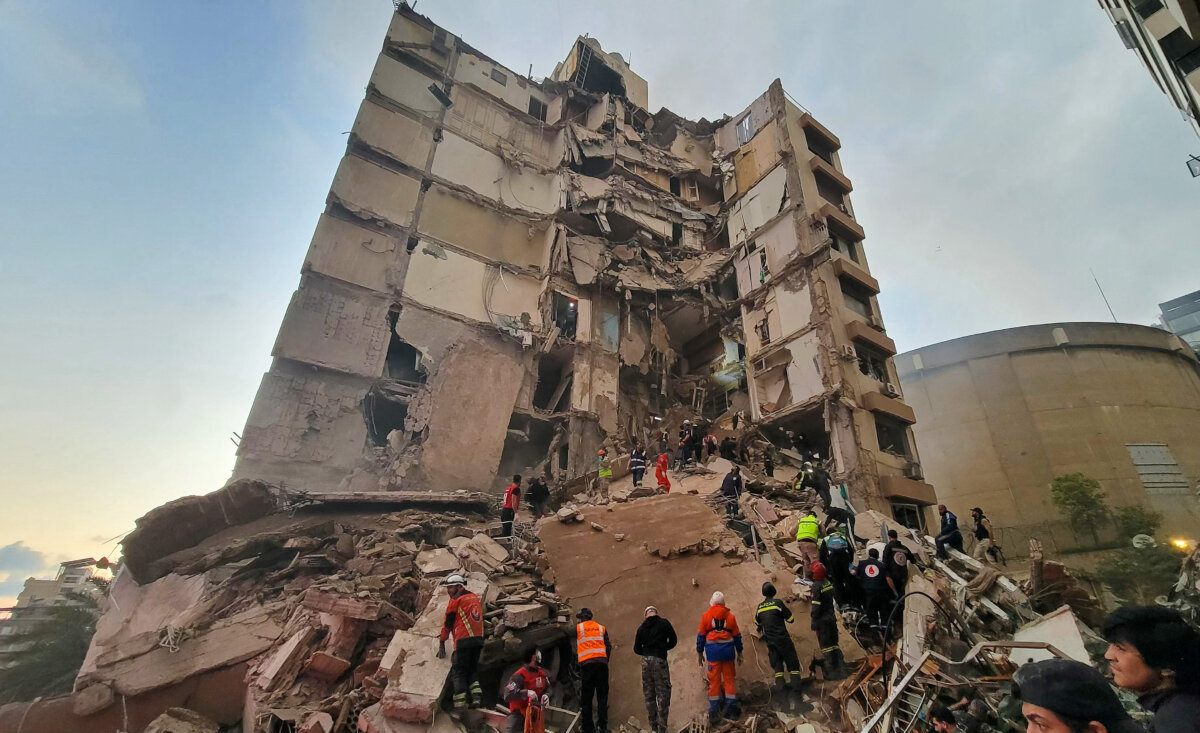
As he left Hungary following a two-day visit, Vance told reporters, “We’re seeing evidence that things are going in the right direction, but it’s going to take a little time.”
Pakistan’s prime minister urged both parties to respect the ceasefire.
“Violations of ceasefire have been reported at few places across the conflict zone which undermine the spirit of peace process,” Sharif wrote in an April 8 post on X.
“I earnestly and sincerely urge all parties to exercise restraint and respect the ceasefire for two weeks, as agreed upon, so that diplomacy can take a lead role towards peaceful settlement of the conflict.”
The Associated Press contributed to this report.
A previous version of this article did not provide the full name and title of Mohammad-Bagher Ghalibaf, Iran’s Parliament speaker. The Epoch Times regrets the error.
 Friends Read Free
Copy
Facebook
Tweet
Friends Read Free
Copy
Facebook
Tweet