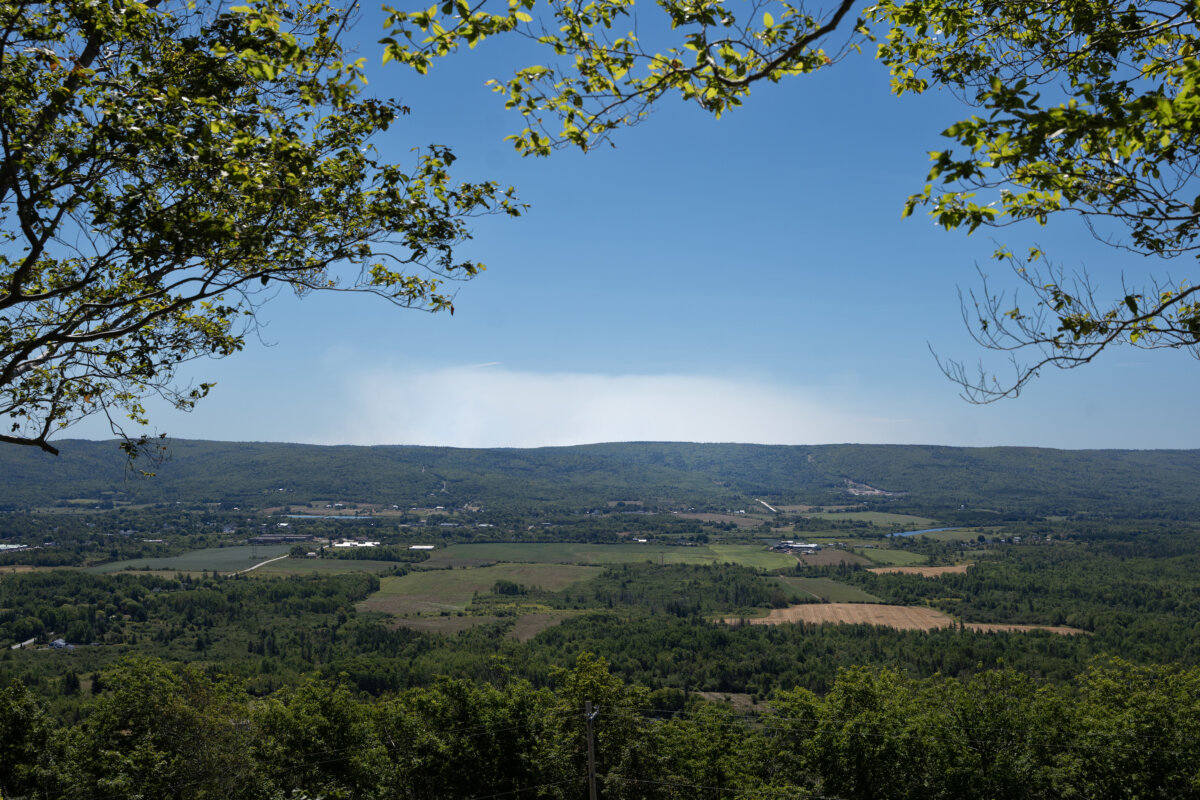

The Supreme Court of Nova Scotia has struck down the province’s previous blanket ban on entering the woods during a spate of wildfires last year, holding that the grounds for it were “unreasonable” and failed to properly consider constitutional rights.
The April 17 decision from Justice Jamie Campbell held that the ban was overly broad and “limited the mobility rights of Nova Scotians to move freely around the province,” and was therefore deemed unreasonable.
“There was no evidence in the record that when the Minister issued the proclamation there was any consideration given to mobility rights, how the ban could limit those rights and how the ban could be drafted in a way to minimize the limitations on mobility rights,” Campbell wrote.
Besides touching on Section 6 mobility rights in the Canadian Charter of Rights and Freedoms, Campbell wrote the ban possibly affected Section 7 rights pertaining to life, liberty and security of the person.
While Campbell’s ruling focused on the decision-making behind the ban and whether enough consideration was given to the impact on Charter rights, he also said the ban itself was overly broad and lacked clarity.
The ban was issued on Aug. 5, 2025, by Minister of Natural Resources Tory Rushton under the provincial Forests Act. It applied a province-wide ban on entering wooded areas, including for fishing, hiking, off-road vehicle use, and any camping outside of designated areas.
The ban allowed people to apply for special work permits to enter forests by contacting Natural Resources. It was set to remain in place until mid-October of last year.
Nova Scotia Premier Tim Houston said last year that the ban was needed to prevent further wildfires amid “incredibly dry weather” at the time.
“I know it’s the height of summer vacation and people want to do all the activities that we so much enjoy, but we have to stay out of the woods,” Houston said Aug. 5. “It’s a small price to pay right now to avoid the kind of devastation that we saw from the wildfires in 2023.”
During two large wildfires in the suburbs of Halifax in 2023, Nova Scotia had banned entering forests for a week.
One of the plaintiffs in the case, Canadian Armed Forces veteran Jeff Evely, was issued a $28,872.50 fine for entering the woods during the 2025 ban. Evely had entered the forest intentionally to protest what he considered the unconstitutionality of the ban.
In finding the ban invalid, the Nova Scotia Supreme Court signals that Evely’s fine may no longer be legally supportable.
The constitutional challenge to the ban was brought by lawyers funded by the Justice Centre for Constitutional Freedoms (JCCF) on behalf of Evely. Lawyer Marty Moore said the decision should serve as a “warning” to governments.
“We hope the government of Nova Scotia, and other governments in Canada, heed this warning, and respect the individual rights of Canadians in their decisions,” Moore wrote in an April 17 release from JCCF.
“We hope this judicial rebuke will lead to more reasonable decisions by the government of Nova Scotia in the future. This decision should also have the effect of invalidating the massive fine our client Jeff Evely is facing for walking in the woods.”
 Friends Read Free
Copy
Facebook
Tweet
Friends Read Free
Copy
Facebook
Tweet