
The New South Wales (NSW) government has introduced legislation that will impose stricter penalties for hate crimes against members of the LGBT community.
The law changes come amid claims LGBT people in the state were being lured through dating apps or social media, only to be abused or assaulted.
There have been reports about cases where the attackers were linked to propaganda and influence from the terrorist group ISIS.
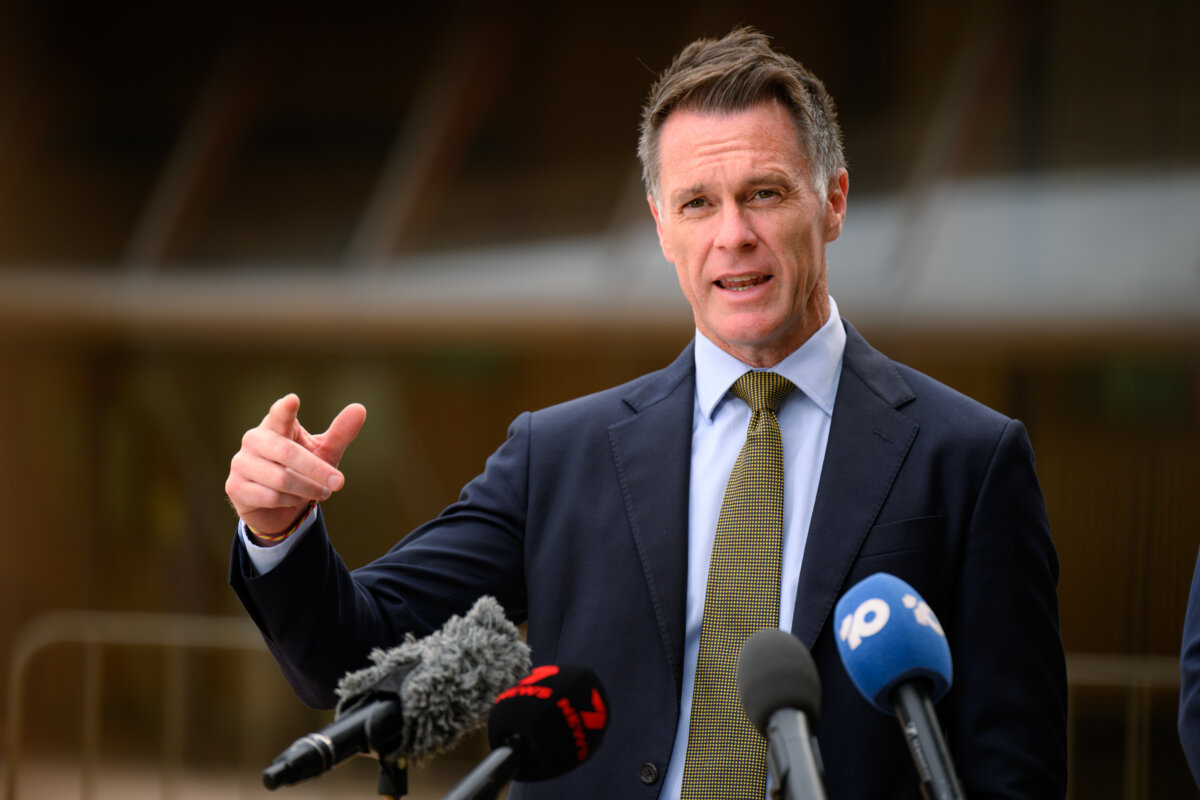
NSW Premier Chris Minns said the state had experienced a string of attacks on members of the LGBT community, which he called “sickening and completely unacceptable.”
“These laws send a clear message that if you target someone out of hatred or try to lure someone into harm, you will face serious consequences,” he said in a statement.
Leader of the Government in the Legislative Council Penny Sharpe also described recent attacks against the LGBT community “deeply confronting.”
“These reforms are about making it clear that hatred has consequences and that the law will come down hard on those who seek to harm others,” she said.
Changes Under Proposed Laws
The proposed legislation will expand existing ‘post and boast’ laws to cover serious assaults and robberies against LGBT people.
A new offence will also be introduced, aimed at offenders who lure victims under false pretences, such as through dating apps, with the intent to commit a crime.
Additionally, the maximum sentence for public threats or inciting violence against people based on sexuality or gender will increase to five years of imprisonment, where three years was the previous limit.
That same offence could increase to seven years’ jail where aggravation is a contributing factor—such as attacks motivated by hatred or prejudice.
The Crimes (Sentencing Procedure) Act has also been updated to make it easier for prosecutors to prove prejudice or hate as a motive for a crime.
Opposition Raises Concerns Over Police Numbers
Meanwhile, NSW shadow police and counter-terrorism spokesman Anthony Roberts said a lack of police numbers was undermining community safety.
Citing recent public sector data, Roberts said the state currently had 176 police officers per 100,000 residents, down from 205 in 2019.
“Police are already under immense pressure. When the force is understaffed, it means longer response times, greater strain on officers and fewer police available to keep our neighbourhoods safe,” he said, noting that the NSW population has continued to grow over the year.
The shadow minister then called on Minns to take urgent action to address the staff shortage.
“It’s time the Minns Labor government fronts up and answers how it will restore police numbers,” he said.
“New South Wales deserves a police force that is properly resourced, properly supported and large enough to meet the challenges our communities face.”
 Friends Read Free
Copy
Facebook
Tweet
Friends Read Free
Copy
Facebook
Tweet