
The Organization for Economic Co-operation and Development (OECD) is criticizing the Canada for its “persistent delays” when it comes to appointing a new parliamentary budget officer, warning it could reduce the office’s stability.
The international organization said in a Feb. 24 report that while Canada’s Parliamentary Budget Office (PBO) is “non-partisan, credible, and effective,” leadership delays are an issue.
“Persistent delays in permanent leadership appointments and reliance on interim arrangements present risks for the PBO’s independence and stability,” the report said.
The OECD report recommends that legislative amendments are put in place to ensure appointments are made in a timely manner, and that “structured interim arrangements with cross-party backing” should be introduced.
The Canadian government began the hiring process for a new PBO in November. The description of the PBO position posted online stated that the candidate would provide “non-partisan, authoritative analysis” on the state of the nation’s finances, the government’s budget and estimates, and economic trends.
The position comes with a salary ranging from $225,000 to $265,000 per year. The review of applications began on Dec. 8, 2025.
The ad noted that in the selection process, “preference may be given” to applicants who are female, indigenous, disabled, or “members of a visible minority group.” The government also said it would consider “bilingual proficiency and diversity” when assessing the applicants.
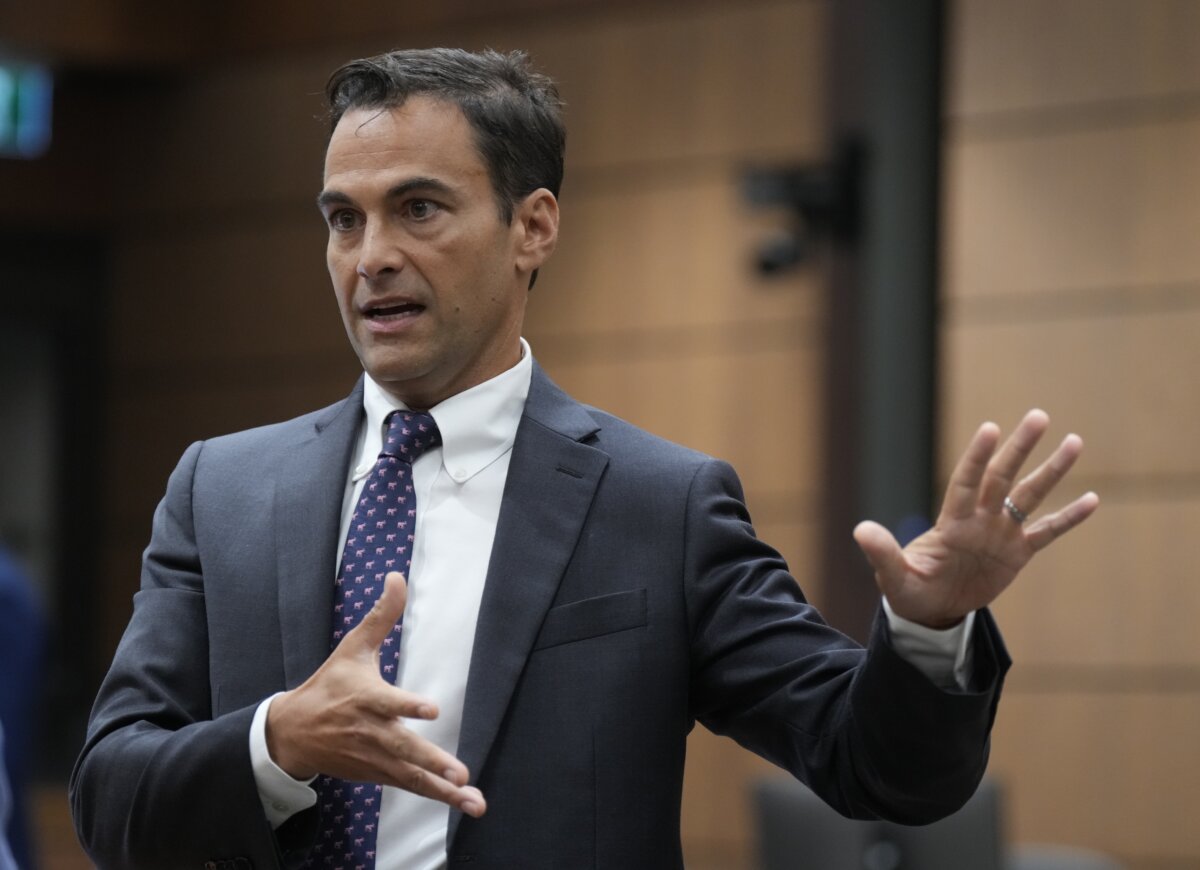
Interim PBO Jason Jacques, who was appointed to the role in September 2025, will reach the end of his six-month term on March 2. If no budget officer is in place to replace him, then the PBO will be unable to publish any fiscal analysis until someone new is appointed.
A PBO is able to serve for a term of up to seven years, with a chance of the position being renewed, but Parliament must approve a permanent appointment.
Following his appointment to the position, Jacques made headlines when he expressed concern over the federal government’s rising deficits. He told the government operations committee on Sept. 25 that Canada had a “really serious fiscal outlook” and that “everybody should be concerned.”
In November, Jacques said the government is unlikely to meet the two fiscal anchors outlined in its latest budget, or to have the declining debt-to-GDP ratio promised in previous budgets. Budget 2025, released on Nov. 4, had the fiscal anchor of balancing operating spending with revenues by 2029, as well as maintaining a declining deficit-to-gross GDP ratio.
A budget analysis report released by the PBO on Nov. 14 indicated that after conducting “stress testing,” there was just a 7.5 percent chance the deficit-to-GDP ratio would continue declining every year from 2027 to 2030.
The Conservative Party had called for the Liberal government to appoint Jacques to a full seven-year term as PBO, arguing that his six-month term is a “short leash” that could allow the government to “fire him for telling the truth.”
Prime Minister Mark Carney said during debate in the House of Commons in September that when it came to potentially making Jacques’s term permanent, he would speak with opposition party leaders to obtain “a consensus” on the appointment.
 Friends Read Free
Copy
Facebook
Tweet
Friends Read Free
Copy
Facebook
Tweet