
U.S. Treasury Secretary Scott Bessent said on May 28 that Oman had given assurances that it does not intend to facilitate any effort to charge tolls on ships passing through the Strait of Hormuz.
Bessent was responding to a question about President Donald Trump’s May 28 remarks that the United States could take military action if Oman is engaged in efforts to charge tolls for passage through the waterway.
Trump has said the strait should remain open to international shipping and not be controlled by anybody, adding, “Oman will behave just like everybody else, or we’ll have to blow them up. They understand that.”
Bessent said the president’s remarks were intended to “punctuate” the importance of preserving freedom of navigation in the strait.
“I had a call with the Omani ambassador this morning, and he assured me that there were no plans for tolling the strait,” he told reporters at the White House.
“As he said, our countries have had 200 years of good relations. He wants to have another 200 more, and I told him that this was a nonstarter and he did not want to risk either the Omani individuals or Omani financial institutions getting sanctioned.”
Oman previously acted as a mediator in U.S.–Iran nuclear talks, which later fell through after U.S. and Israeli forces launched a military campaign aimed at eliminating Iran’s nuclear weapon capabilities.
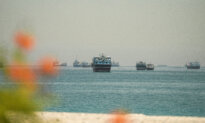
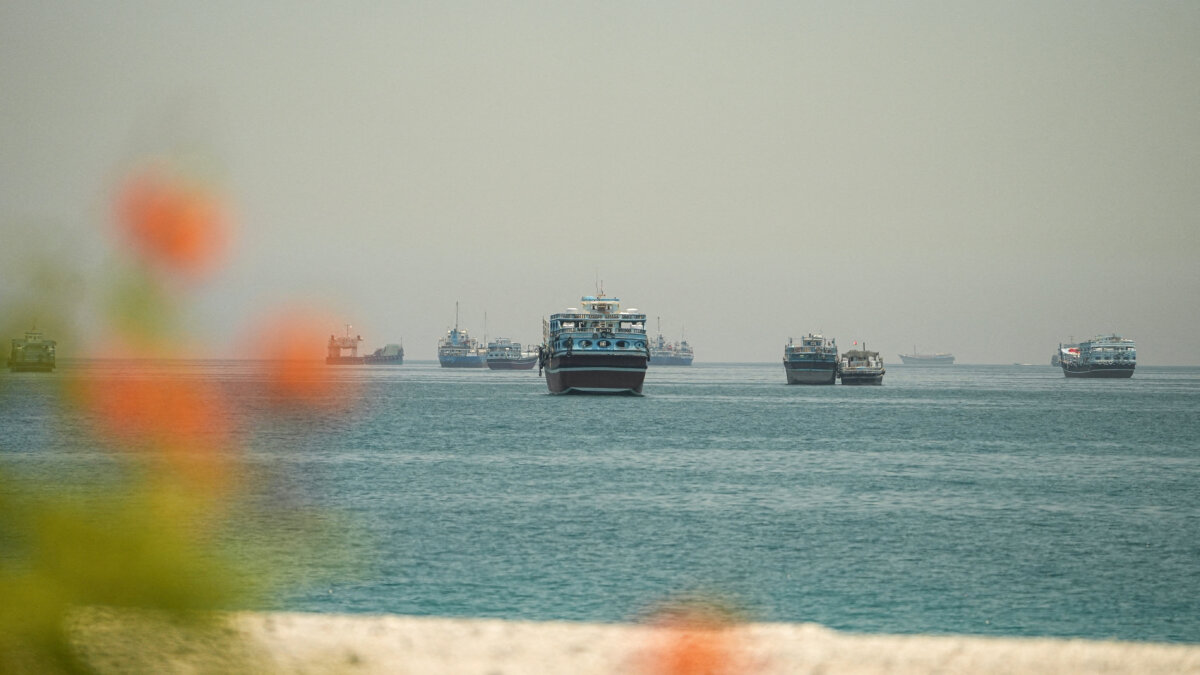
The escalating conflict has disrupted shipping in the Strait of Hormuz, a critical waterway through which a significant share of global oil and gas shipments pass.
Iran’s Islamic Revolutionary Guard Corps (IRGC) told vessels to sail through Iranian waters around Larak Island to avoid the risk of naval mines in the usual lanes through the strait, Iran’s semi-official Tasnim news agency reported in April.
The United Nations’ shipping agency, the International Maritime Organization (IMO), said at the time that there was no international agreement under which tolls could be introduced for transiting international straits.
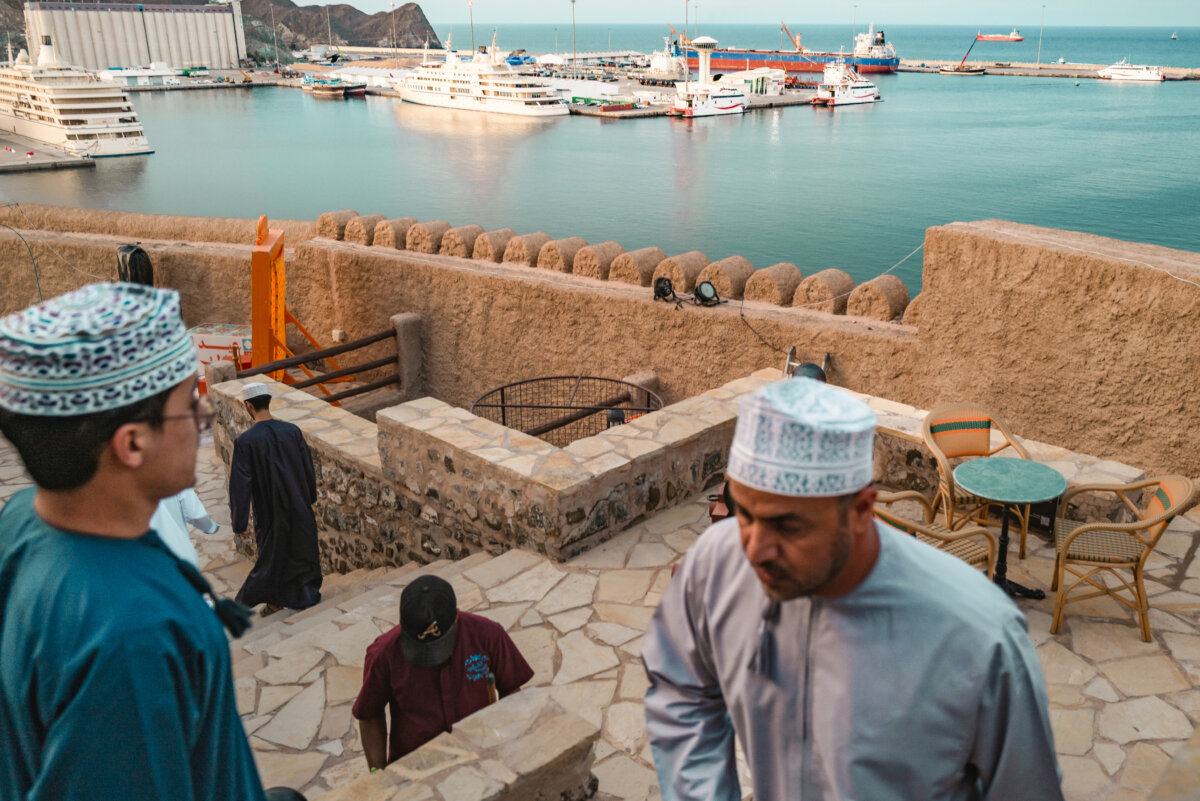
Iranian Foreign Ministry spokesperson Esmail Baghaei said on May 25 that Iran is working with Oman on a protocol to ensure safe maritime passage through the Strait of Hormuz.
Baghaei denied claims that Iran was charging tolls on ships sailing through the strait and urged the use of precise terminology when discussing the situation.
“First, the measures by Iran and Oman to draft a protocol or mechanism to ensure the safe passage of ships through the Strait of Hormuz are a responsible step and are in accordance with international law, both for the interests and national security of Iran and Oman as coastal states, and for the public good of the international community,” he said, according to a May 25 post on the Iranian Foreign Minstry’s Telegram account.
“Naturally, in this process, the services that are provided—navigation services, plus the necessary measures to protect the environment of the Strait of Hormuz, the Persian Gulf, and the Sea of Oman—require the collection of fees. Therefore, these should not be referred to as a ’toll‘ or ’duty.’ Iran and Oman are making responsible efforts along this path, and we hope to reach a final outcome as soon as possible.”
In a May 28 post on X, Bessent warned that the U.S. Treasury would “aggressively target” any entities involved in imposing tolls on vessels transiting the strait and impose penalties on any willing partners.
“The United States Government will not tolerate any effort to impose a tolling system in the Strait of Hormuz,” Bessent wrote. “All nations should reject outright any efforts by Iran to disrupt the free flow of commerce.”
Guy Birchall and Reuters contributed to this report.
 Friends Read Free
Copy
Facebook
Tweet
Friends Read Free
Copy
Facebook
Tweet