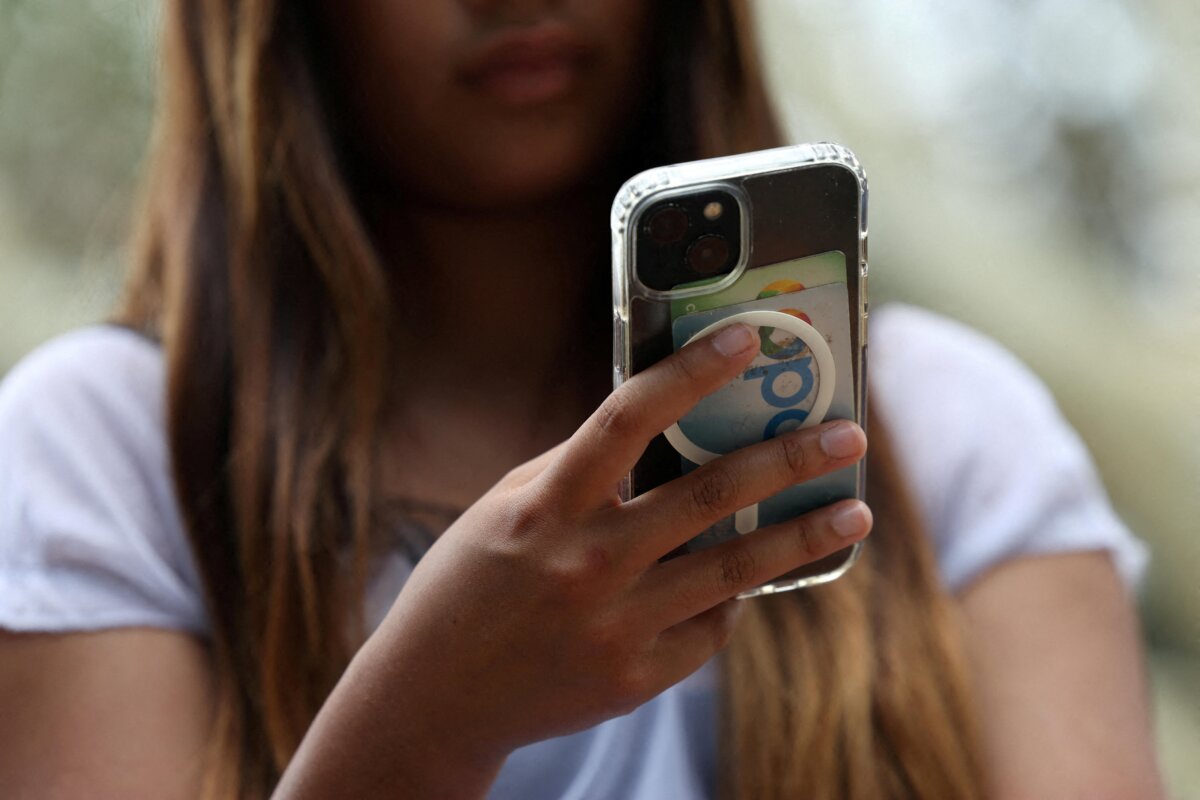
The Liberal government plans to table a bill this week that reportedly includes banning social media use for youth under the age of 16.
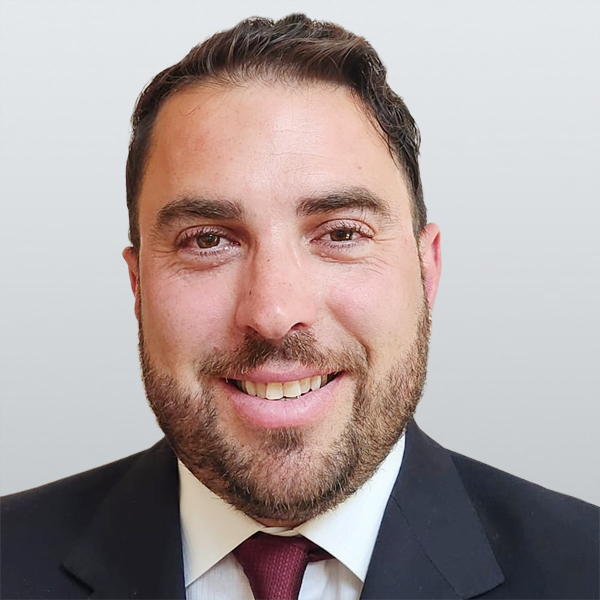
Culture Minister Marc Miller is expected to introduce the ban as part of the government’s long-awaited online harms bill and is expected to be tabled before Parliament adjourns for summer break next week, according to unnamed government sources cited in multiple media reports.
In addition to a youth social media ban, the bill is expected to put new requirements on platforms to report credible threats of violence or self-harm to authorities.
The youth social media prohibition would be similar to a ban put in place last December in Australia, barring youth under 16 from having accounts on various social media platforms including Instagram, TikTok, Snapchat and Facebook, according to the reports.
Under the proposed legislation, platforms might be able to get exemptions if they prove they meet new safety standards created to protect minors, according to an anonymous government source cited by The Globe and Mail. It’s not clear if the expected legislation would include a ban on the use of AI chatbots by minors.
The news comes days after Prime Minister Mark Carney and Artificial Intelligence Minister Evan Solomon announced Ottawa’s new strategy on AI, which the government lauded as an important step in advancing Canada’s AI capability, while opposition parties criticized the strategy as overly vague on privacy and safety protections.
Online Harms Bill
This is the third recent attempt by a Liberal government in recent years to introduce online harms legislation. Bill C-36 was tabled in 2021 and died when Parliament was dissolved for the 2021 federal election.
Bill C-63, known as the Online Harms Bill, was then introduced in the spring of 2024 and went through first reading in the House of Commons. It included requirements for platforms to release yearly safety plans and block various categories of harmful content such as child sexual exploitation material, non-consensual graphic images, and material encouraging self-harm.
However, the bill died when Parliament was prorogued in January of last year.
Bill C-36 and Bill C-63 both met considerable criticism from civil liberties groups, legal scholars and opposition parties, who said the aspects of the bill pertaining to hate speech and changes to the Canadian Human Rights Act would lead to excessive authority for federal regulators and put a chill on free speech.
In response, then-Justice Minister Arif Virani indicated the government was considering separating the child-protection and hate-speech provisions into separate pieces of legislation.
The government has said it is working on a new online harms framework which is also expected to focus on the child protection and platform accountability portion of Bill C-63, which Virani had previously outlined as forming the content of one bill.
Supporters of the bill say Canada lags behind allies such as the UK and Australia in promoting online safety.
The government has not yet publicly released details of the bill.
Support for Social Media Ban
Liberal Party delegates voted in favour of a resolution to ban social media for minors under 16 at the party’s national convention this past April. Although the vote in favour of the resolution did not introduce the bill or make it law and represented only internal party policy direction, Miller commented at the time that the government was “very seriously” considering a ban.
A number of provinces have also signalled support for such a ban. Manitoba Premier Wab Kinew said in April that his provincial NDP government planned to put in place a social media and AI chatbot ban for minors, while Ontario, Alberta, Saskatchewan and New Brunswick have all said they are investigating similar policies.
Public support also appears considerable, with a March poll by Angus Reid finding that 75 percent of Canadians backed a complete social media ban for minors under 16.
Momentum around the issue of online harms increased after the February mass shooting in Tumbler Ridge, B.C. The shooter, Jesse Van Rootselaar, was found to have had engaged in discussions of gun violence with OpenAI’s chatbot ChatGPT and subsequently had his account banned. Van Rootselaar subsequently opened a new account.
OpenAI CEO Sam Altman later issued a public apology stating that OpenAI had not alerted law enforcement about the account before the attack.
 Friends Read Free
Copy
Facebook
Tweet
Friends Read Free
Copy
Facebook
Tweet