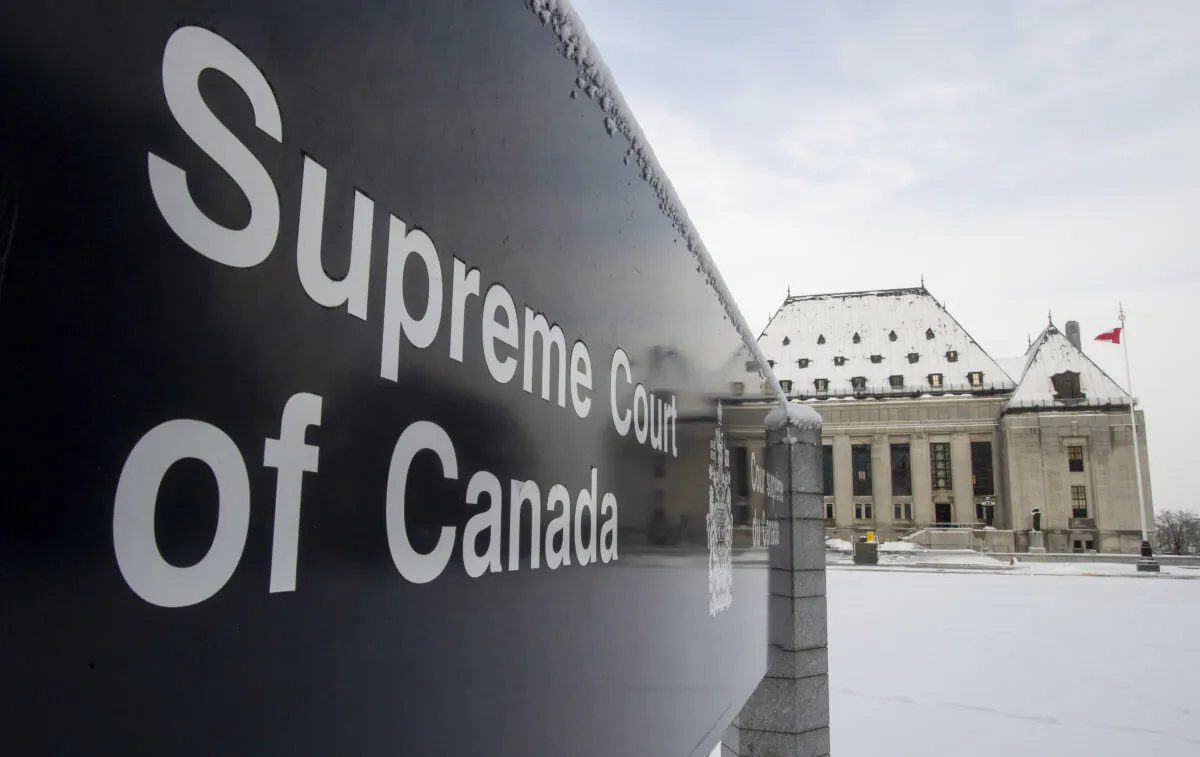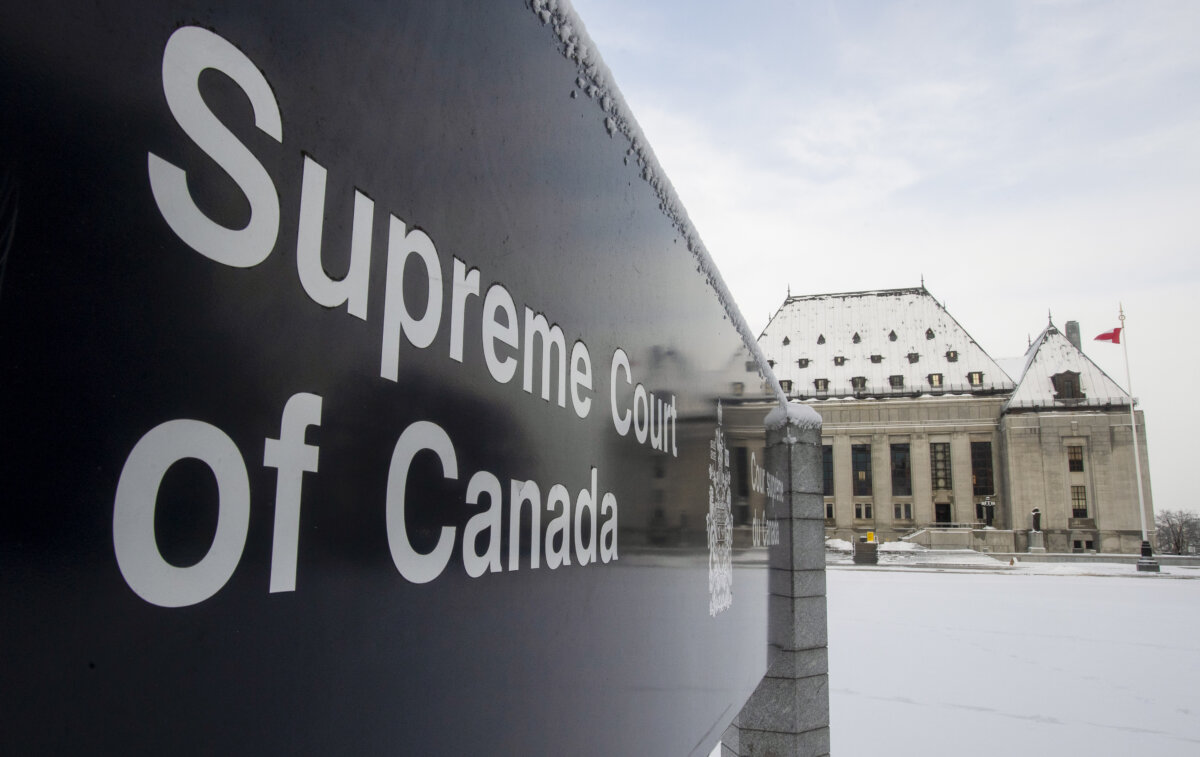

The commission responsible for evaluating judicial compensation says an annual salary of $414,900 is insufficient to attract high-calibre candidates and recommends Ottawa raise judges’ salaries by at least $28,000 annually.
The report from the Judicial Compensation and Benefits Commission recommends an increase in judges’ salaries by $28,000 for regular provincial superior and appellate courts, and federal courts, $30,000 for chief justices, and $36,000 for the chief justice of the Supreme Court, effective retroactively from April 2024.
The commission plays a pivotal role in an independent process that determines the salaries of judges serving on superior courts, the Federal Court, and the Supreme Court of Canada, but its recommendations must be approved by Parliament.
“The current salary and benefits paid to judges are inadequate,” the report tabled in the House of Commons last week says. It noted that the average salary for senior private-sector lawyers who could realistically aspire to such a position is more than $730,000.
“An appropriate increase to the current judges’ salary is required to ensure that more outstanding candidates are not discouraged from seeking judicial appointment,” the report said.
The commission suggested the base salary of most federal judges should increase from $396,700 to $424,700, while the salaries of most chief justices should rise from $435,000 to $465,700.
The salary of the Supreme Court chief justice should increase $36,000 from $510,000 to $546,000, while the eight other justices should receive a $33,000 increase, bringing their annual salary to $505,700, the report said.
The suggested raises would be on top of the annual increases given in accordance with the average salary rise observed across the country. If implemented, the suggested raises would cost the government at least $34 million more per year.
The report was sent in July to Justice Minister Sean Fraser, who has four months to decide how he will respond to the recommendations impacting more than 1,200 judges.
The request for a salary bump comes at a time when Prime Minister Mark Carney has asked all federal ministries and departments to cut operating costs.
The Carney government is implementing a 15 percent spending cut over three years to help meet defence funding increases and pay for tax breaks. Only the Department of National Defence, RCMP, the Canada Border Services Agency, Supreme Court, and Parliamentary Budget Office have been excluded from the cuts.
A spokesperson for the Justice Department said in a media statement that Fraser is in the process of reviewing the report and will provide a response to the panel’s recommendation in due course.
The Epoch Times contacted the ministry for additional comment but did not receive a response before publication time.
Ongoing Salary Issues
The commission’s findings come after months of disagreements between Ottawa and the judiciary over compensation. Federally appointed judges have asked for an increase of $60,000 retroactively effective from April 2024; however, the government contends that such a raise is poorly timed given the existing budget deficits and economic instability.
Government lawyers described the $60,000 increase requested by the judiciary in a 2024 report to the commission as “unprecedented and unjustified” with “no legal basis.”
“It is insensitive to the current economic challenges of Canadians,” the government said in the 14-page report that also dismissed the judiciary’s contention that the recruitment of high-quality candidates is an ongoing issue.
“There is no evidence that there is difficulty in attracting high quality candidates from the private sector,” the government lawyers said, noting that annual raises linked to inflation are sufficient and should be capped at 14 percent.
Commission chair Anne Giardini and fellow panel members Graham Flack and Douglas Hodson disagreed with the government’s assessment in the newly tabled report, noting a 2023 letter from Chief Justice of Canada Richard Wagner asking then-Prime Minister Justin Trudeau to take action to fill the positions in both the Superior Courts and Federal Courts when the vacancy rate was 9 percent.
Wagner described the vacancies as “untenable” and said they were having a negative effect on the “administration of justice, the operations of our courts and the health of our judges.”
The commission also referenced a statement from Ontario Superior Court Chief Justice Geoffrey Morawetz detailing the difficulty he has had in recruiting judiciary candidates from private practice.
“An increasing number of qualified private practitioners no longer view a judicial appointment, considering its attendant responsibilities and benefits, as attractive in light of the resulting significant reduction in income,” Morawetz wrote in an affidavit to the commission.
The three-panel commission said while some of the vacancies have since been filled, it believes the repercussions of previous shortages are still reverberating within the justice system.
“While a shortage has been averted for now, the pressures of rising private sector incomes are such that the ability to maintain an adequate level of private sector appointments to fill judicial vacancies is of ongoing concern,” the panel said in its report. “An increase to the judicial salary is required to ensure outstanding candidates continue to be attracted to the judiciary.”
 Friends Read Free
Copy
Facebook
Tweet
Friends Read Free
Copy
Facebook
Tweet