
The Pentagon on May 26 denied reports that the United States had resumed naval escorts for commercial vessels transiting the Strait of Hormuz, amid an uptick in regional tensions following a series of fresh American strikes on Iranian targets in what the U.S. military said was an act of self-defense.
“Recent media reporting claims that the U.S. Navy has restarted escorting or assisting commercial vessels during transits through the Strait of Hormuz. FALSE,” U.S. Central Command said in a May 26 post on X, after the Iranian military claimed earlier on Tuesday that it had downed a U.S. military drone and fired shots at an F-35 fighter jet.
“Project Freedom has not resumed, and U.S. forces are not currently escorting commercial vessels through the Strait of Hormuz,” the U.S. Central Command statement added.
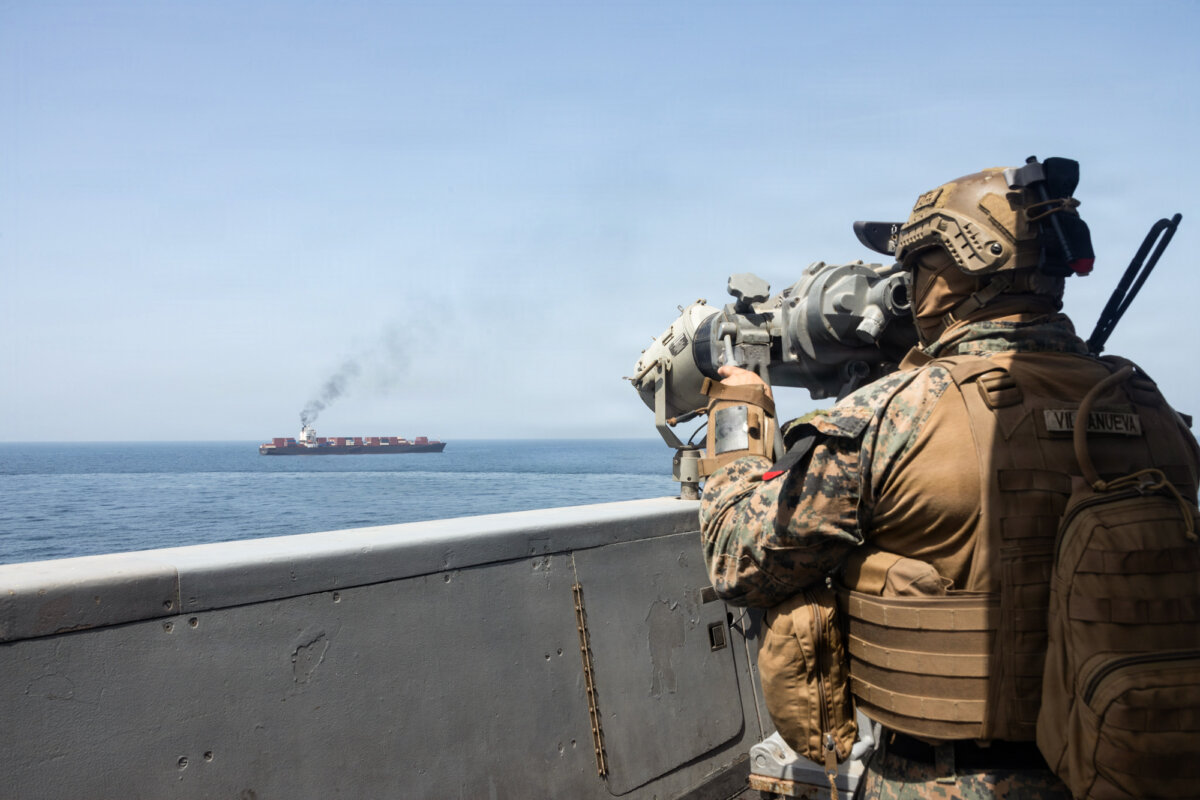
The clarification came amid heightened speculation that Washington could relaunch maritime protection operations in the Strait of Hormuz, a strategic waterway that carried roughly one-fifth of the world’s oil and liquefied natural gas before the Iran war broke out.
Earlier on May 26, media reports citing anonymous sources claimed that the U.S. Navy had guided a Greek supertanker carrying 2 million barrels of crude oil through the narrow maritime choke point that Iranian forces have been blocking in retaliation for U.S.–Israeli attacks.
The restrictions in the Strait of Hormuz amid the ongoing conflict, which erupted on Feb. 28, have triggered a major energy shock, driving up fuel, fertilizer, and food prices globally, putting pressure on governments already grappling with inflation and sluggish growth. American drivers have seen pump prices jump to four-year highs, while U.S. consumer sentiment has slumped to near record lows.
In a bid to free up shipping traffic through the strait, the Trump administration launched “Project Freedom” earlier this month, an initiative meant to provide military escorts to commercial vessels. The project was suspended roughly 36 hours after launch as the Iranian escalation of attacks against ships threatened a fragile ceasefire and led to concerns that delicate peace negotiations would collapse into renewed fighting.
The denial from U.S. Central Command that naval escorts were resuming came one day after American forces carried out what the command described as “self-defense strikes” against Iranian missile launch sites and boats “attempting to emplace mines” in southern Iran.
U.S. Central Command spokesman Navy Capt. Tim Hawkins told The Epoch Times in a statement that the strikes were intended “to protect our troops from threats posed by Iranian forces” while maintaining restraint during an ongoing ceasefire.

Iran accused Washington of ceasefire violations.
Diplomacy Continues Despite Tensions
The Iranian Ministry of Foreign Affairs said the U.S. attacks in Hormozgan Province, near the Strait of Hormuz, represented a “gross violation” of the near seven-week truce.
Explosions were reported near Bandar Abbas, Sirik, and Jask late Monday, according to Iranian state-affiliated news outlets, while Iran’s Islamic Revolutionary Guard Corps said Iranian air defenses had shot down one U.S. drone and fired on another drone and a fighter jet allegedly entering Iranian airspace.
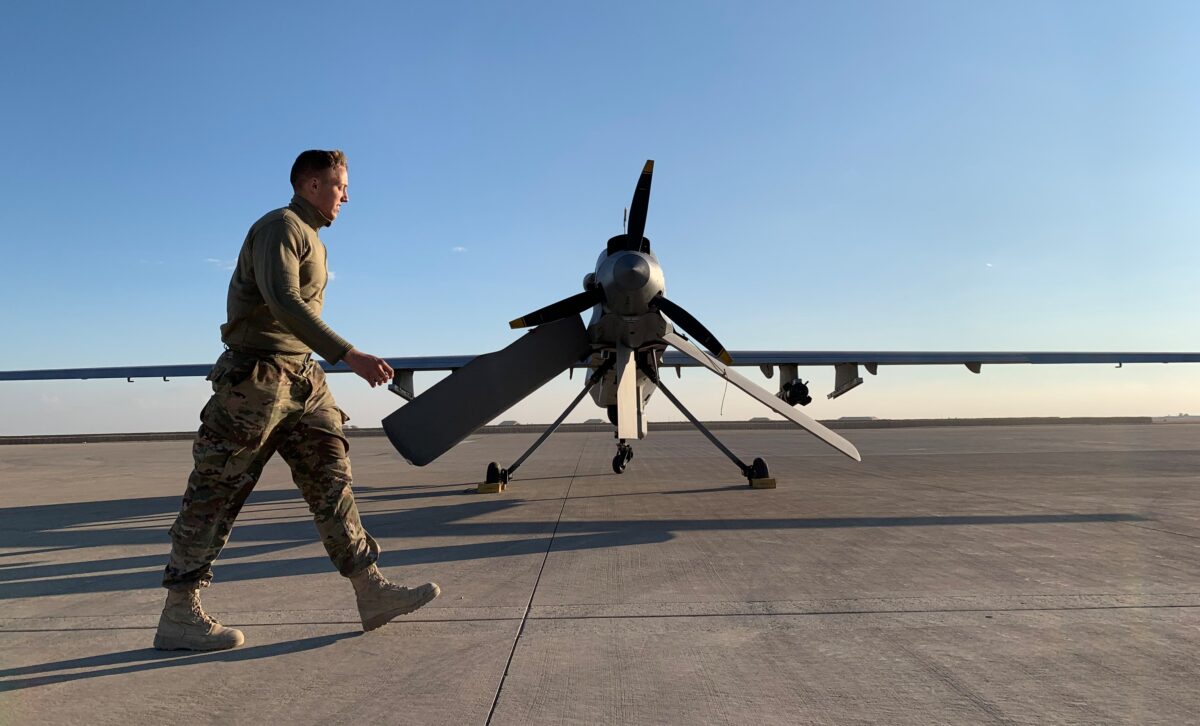
A spokesperson for Iran’s military warned that any further U.S. or Israeli attacks would trigger a “very devastating” response.
Iranian Brig. Gen. Abolfazl Shekarchi, quoted by state-run media IRNA, said Tehran remained fully prepared for war and would continue defending its interests in the Strait of Hormuz “with authority.”
Despite the tensions, diplomacy continued. U.S. Secretary of State Marco Rubio said negotiations with Iran were advancing, though he cautioned that finalizing a draft agreement could still take several days.
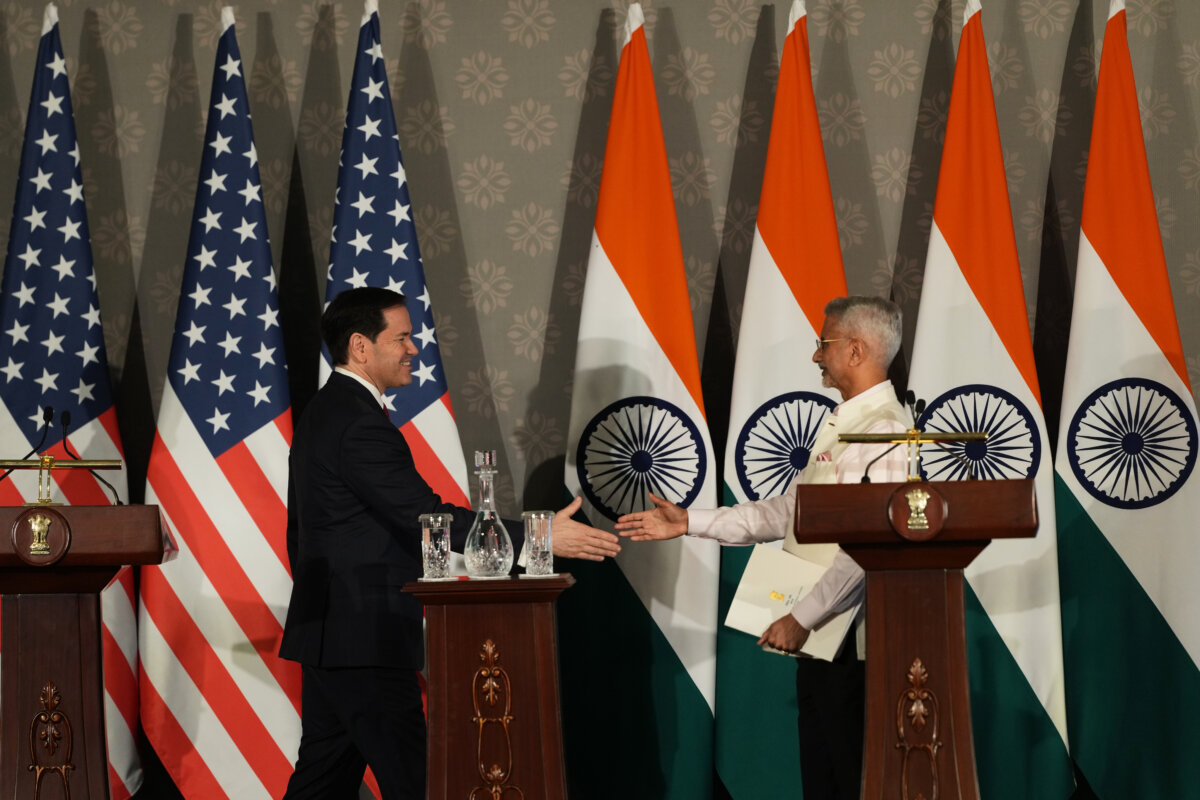
“The straits have to be open, they’re going to be open one way or the other, so they need to be open,” Rubio told reporters aboard a plane in Jaipur, India, following the latest U.S. strikes.
Rubio said negotiators were still working through disagreements over wording and details in a proposed memorandum of understanding that would halt hostilities and gradually restore maritime traffic through the strait.
“There’s going to be a deal, we’re going to have to work through that, but this is either going to be a good deal or there isn’t going to be one,” Rubio said.
Iranian and U.S. officials have both indicated that indirect talks have made progress toward an initial framework agreement.
U.S. President Donald Trump said this week that negotiations with Iran were “proceeding nicely” but warned that failure to reach a deal could result in renewed fighting that would be “bigger and stronger than ever before.”
 Friends Read Free
Copy
Facebook
Tweet
Friends Read Free
Copy
Facebook
Tweet