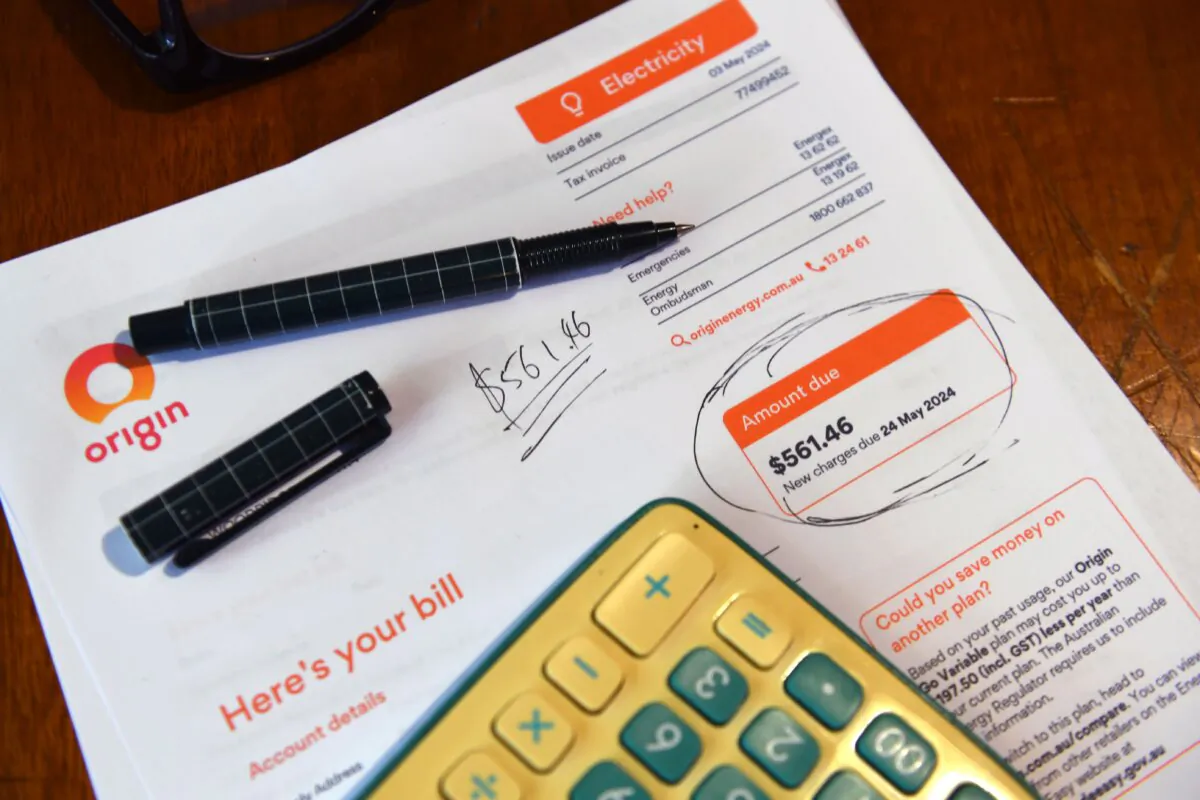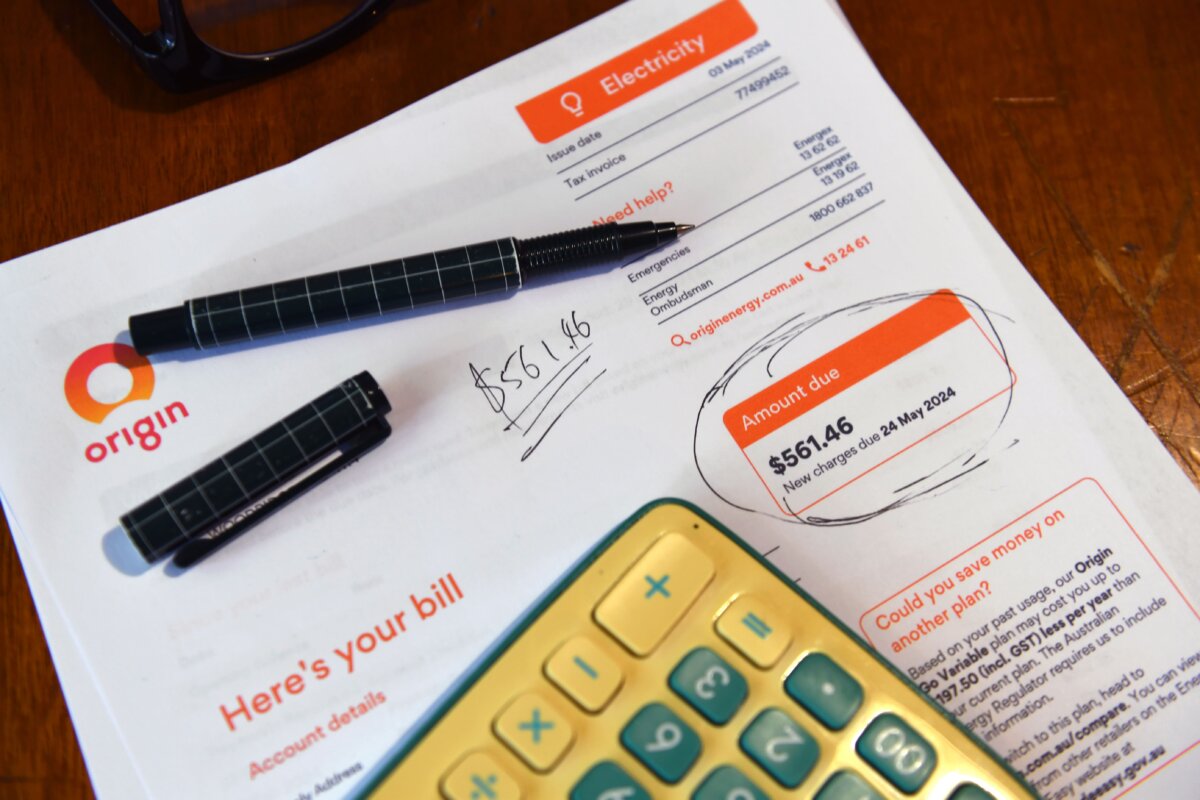

Inflation climbed to 3 percent in August, its highest level in a year, as household electricity bills spiked following the expiry of state-based rebates.
The latest Australian Bureau of Statistics (ABS) data shows power costs jumped 25 percent over the past 12 months, particularly in Queensland, Western Australia, and Tasmania where subsidies rolled off.
The rise in energy bills was the single biggest driver of the monthly Consumer Price Index (CPI), released just days before the Reserve Bank of Australia (RBA) meets to review interest rates.
The cash rate is widely expected to remain on hold at 3.6 percent.
Michelle Marquardt, the ABS’s head of price statistics, said the August result marked “the highest annual inflation rate since July 2024,” with annual CPI rising from 2.8 percent in July to 3 percent.
Food and Tobacco Add Pressure
Grocery prices also edged higher, rising 3 percent in the year to August. Meat and seafood climbed 2.9 percent, while fruit and vegetable prices slowed to 1.1 percent growth after earlier spikes.
Tobacco was another major contributor, up 13 percent in the month and lifting the broader alcohol and tobacco category by 6 percent compared with a year earlier.
Marquardt noted these categories, together with energy, explained much of the uptick in headline inflation.
Housing Market Under Watch
Housing costs remain a key pressure point.
Rents rose 3.7 percent in the 12 months to August, slightly slower than July’s 3.9 percent and the weakest pace since late 2022.
Stable vacancy rates across most capitals have kept growth contained.
New dwelling prices rose 0.7 percent over the year, reflecting subdued demand in the housing construction market. But the RBA has warned that government incentives could reignite pressures.
RBA Governor Michele Bullock and Assistant Governor Brad Jones said the expanded first-home buyer deposit scheme, due to begin in October, could lift overall housing credit by up to 2 percent.
The scheme will help first-home buyers to purchase a home with just a 5 percent deposit.
“You may see a little more upward pressure on house prices in the short term,” Jones said.
Holiday travel and accommodation prices also fell back after the end of the school holidays, dropping 3.5 percent in August. On an annual basis, travel prices rose just 1.1 percent, down from 3.3 percent in July.
RBA Urges Caution on Monthly Data
While the monthly CPI indicator offers a timely snapshot, the RBA has cautioned against over-interpreting the figures.
Sarah Hunter, head of the central bank’s economics division, told a Senate inquiry last week the monthly series was “incomplete and more volatile” than quarterly results and should be treated carefully.
Underlying measures of inflation, which strip out temporary or unusually large price moves, showed little change.
The trimmed mean CPI eased from 2.7 percent in July to 2.6 percent in August, while inflation excluding volatile items and holiday travel rose from 3.2 percent to 3.4 percent.
The more reliable quarterly data shows that both headline and underlying inflation have remained within the target band for the six months to June, Treasurer Jim Chalmers said.
“The sustained progress on inflation we’ve made together has supported the Reserve Bank’s decision to reduce interest rates three times,” he said ahead of the data release.
 Friends Read Free
Copy
Facebook
Tweet
Friends Read Free
Copy
Facebook
Tweet