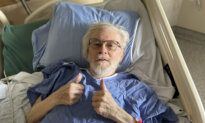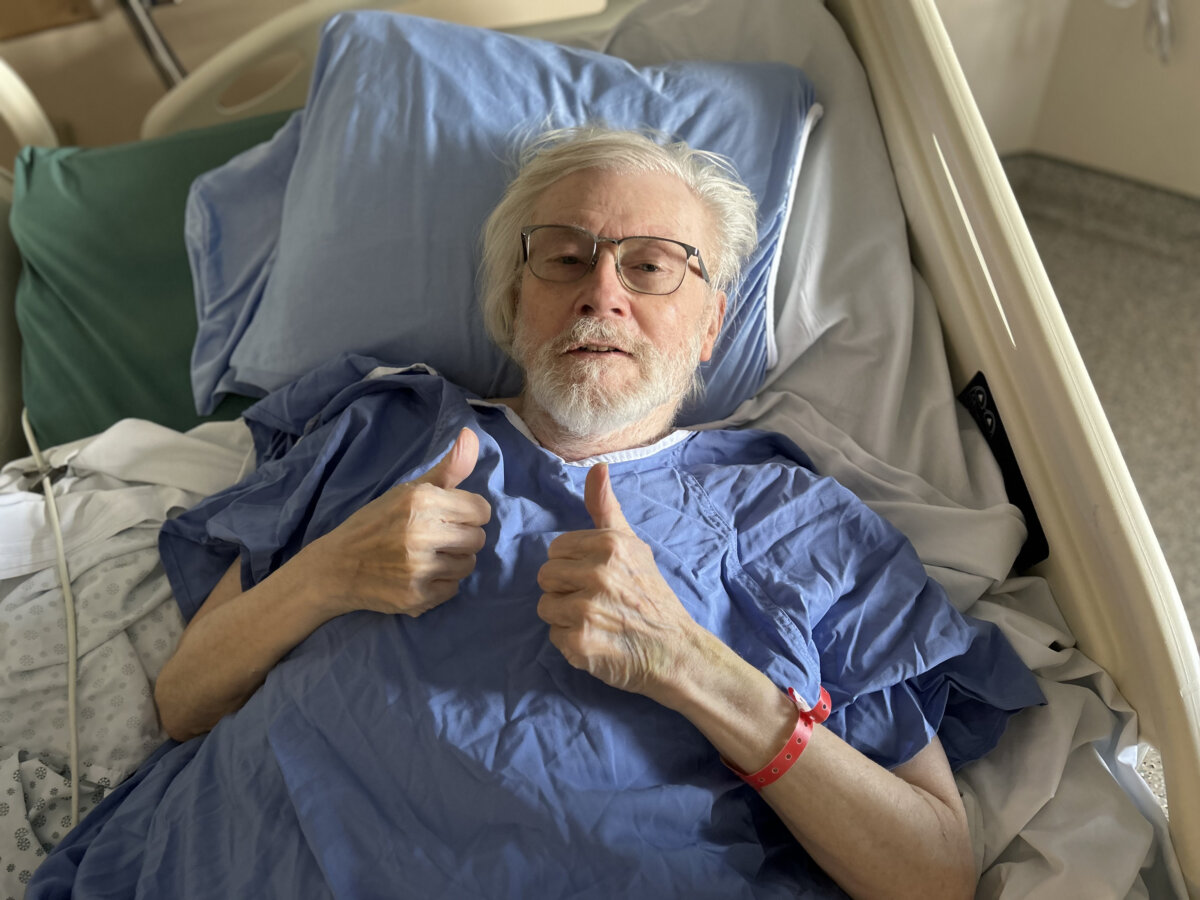
A Catholic priest recovering from a hip fracture at Vancouver General Hospital says he was offered medical assistance in dying (MAID) twice as a future option in case his situation worsened, according to a report from The B.C. Catholic.
Father Larry Holland, 79, said a physician and a nurse raised the option while he was recovering from injuries sustained in a fall on Christmas Day last year, despite his condition not being considered terminal and despite his having expressed opposition to euthanasia as a Roman Catholic.
“There are some things you just don’t talk about to some people,” Holland told The B.C. Catholic, saying he was “very shocked” by the offers.
“It is such a sensitive subject,” he said, adding, “it’s a false compassion, really.”
Vancouver Coastal Health issued a statement saying MAID may be brought up by staff who have training and knowledge on it.
Canada is projected to surpass 100,000 recorded euthanasia deaths by June of this year, the 10th anniversary of the legalization of MAID. Since legalization in 2016, there have been 76,475 deaths from the procedure as of Dec. 31, 2024, according to Health Canada’s sixth annual report on MAID published in November 2025.
Critics say the offers of MAID to Holland reflect a broader shift in Canadian health care toward proactively presenting euthanasia as an option to vulnerable patients.
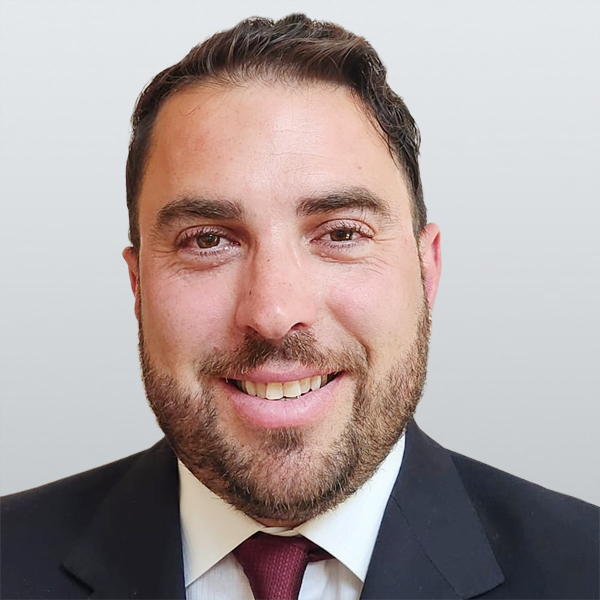
Amanda Achtman, founder of the anti-euthanasia initiative Dying to Meet You and ethics director at Canadian Physicians for Life, said unsolicited MAID discussions can act as a form of coercion and degradation.
“Whenever someone goes to the hospital, they’re in a vulnerable situation, looking to entrust themselves to someone on whom they can count. To be offered death instead of care or treatment is completely shattering and eroding of trust,” Achtman said in a May 4 interview with The Epoch Times.
She noted that even in Holland’s case with his sincere convictions, such offers have the potential to disturb a person’s sense of self and values.
“Think of the moment at which you’ve been at your weakest—and then imagine an offer that would so contradict your most deeply held values in the moment of susceptibility and weakness,” she said. “How unfair is that to the person?”
Achtman said such offers send a message—particularly to elderly people—that their lives hold less value than other groups in society.
“You’re part of a criteria that socially devalues your life, and that’s the problem of having any criteria for death,” she said. “To be told that you fit a criteria of eligibility for state-sponsored suicide is dehumanizing in itself.”
MAID Eligibility
Medical assistance in dying (MAID) became legal across Canada on June 17, 2016, under former Prime Minister Justin Trudeau. The legislation followed a 2015 ruling by the Supreme Court of Canada that struck down the country’s prohibition on physician-assisted dying as unconstitutional.
MAID eligibility was expanded in 2021 and now falls under two types of “procedural safeguards,” referred to as Track 1 and Track 2.
Track 1 applies to people whose natural death is “reasonably foreseeable.” Track 2 applies to people who have a serious and incurable illness, disease, or disability that causes enduring and intolerable suffering, but whose natural death is not reasonably foreseeable. Track 2 cases are subject to additional safeguards, including a minimum 90-day assessment period.
A planned expansion of MAID eligibility to people whose sole underlying condition is mental illness was passed in March 2021 but has never taken effect. The federal government has delayed the change until March 17, 2027, saying more time is needed to ensure health-care providers, regulators, and provincial health systems are prepared to implement it safely.
On Feb. 5, Conservative MP Garnett Genuis tabled private member’s bill C-260, which proposes to prohibit any federal employee from proactively bringing up MAID to anyone who has not first inquired about it.
Alberta also introduced a bill titled “Safeguards for Last Resort Termination of Life Act” in March, which passed in April, though it has not yet been proclaimed into law. The legislation limits proactive promotion or offers of MAID and strengthens provincial safeguards surrounding the provision of physician-assisted suicide.
Achtman said she has heard Holland’s condition has worsened and he is still hospitalized.
However, in speaking of his ordeal, the priest said painful experiences can deepen faith and personal endurance.
“I went through it,” he said. “You can go through it, too.”
 Friends Read Free
Copy
Facebook
Tweet
Friends Read Free
Copy
Facebook
Tweet