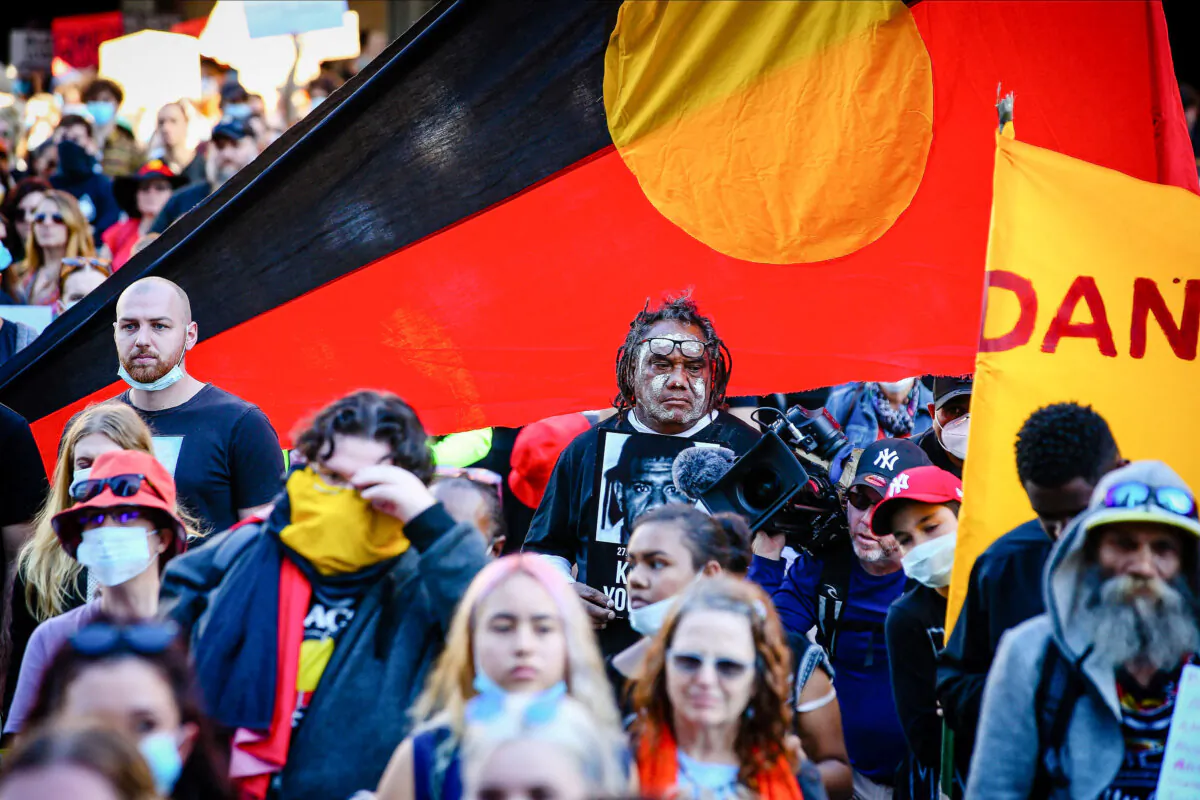
The Queensland LNP government has signed an “Indigenous Councils Leaders Accord” with 17 Aboriginal local government areas across the state.
The agreement was officially sealed at the Local Government Association of Queensland’s Indigenous Leaders Forum in Brisbane on Oct. 20.
It will facilitate direct access between councils and the relevant ministers, avoiding the same layers of bureaucracy required of remaining, non-Indigenous councils.
Fiona Simpson, Queensland Aboriginal minister, hailed the pact as a practical way for people in some of the state’s most remote areas to have a direct line to the government.
Simpson also denied comparisons to the failed push for a federal Indigenous Voice to Parliament in 2023.
“There needs to be practical ways that they can overcome bureaucracy to get access to government, so this is about less bureaucracy, more decisions getting made and practical outcomes,” she told media.
“This is about getting tangible outcomes with less bureaucracy in between, rather than the symbolic stuff that was being done at a federal level.”
Labor’s shadow spokeswoman for reconciliation, Leeanne Enoch, said the Accord was the remnant of a previous plan mooted by the former Labor government.
“The Accord represents a unifying opportunity that provides a chance to hold the state government to account on the delivery of actions,” she said.
The councils set to benefit include Cherbourg, Aurukun, Hope Vale, Lockhart River, Palm Island, Napranum, Doomadgee, Mornington Island, Wujal Wujal, Woorabinda and Kowanyama Aboriginal Shire Councils, along with the Northern Peninsula Area Regional Council and organisations such as the Pormpur Paanthu Aboriginal Corporation and Mapoon Council.
In the far north, the Yarrabah Aboriginal Community, Torres Shire Council, and the Torres Strait Regional Authority are also included.
Lockhart River Mayor Wayne Butcher was among three officials representing the Indigenous councils during the signing.
“We’ve been working on it for a couple of years now … it’s great to see an outcome,” he told AAP.
“Getting government to sign off on an agreement has been very challenging for such a long time—this gives us hope.”
‘Voices’ Spring Up
Since The Voice referendum fell flat nationally, some states and government bodies have sought to embed their own versions.
In 2023, South Australia announced it would create its own body of Indigenous representatives.
Meanwhile, Victoria has its First Peoples’ Assembly of Victoria.
The Public Health Association of Australia has also pushed ahead with its own Indigenous ‘Voice.’
Concerns About More Bureaucrats
Katter’s Australian Party Leader Robbie Katter likened Queensland’s Accord to The Voice, saying it would create more bureaucracy.
“Some of my father’s proudest achievements as a minister are delivering title deeds so First Australians could own their own home,” he said in a statement.
“As the member for Traeger, I see it a privilege to listen and learn from First Australians right throughout the electorate, and that’s exactly what the government should do—its job.
“We don’t need yet more bureaucrats and departments to give some councils more voice than others.”
Katter said the government was going against the wishes of 68 percent of Queenslanders who voted “no” in the Voice referendum.
“Cabinet should be responsive to all Queenslanders and local members,” he said.
“That’s what democracy is supposed to do.
“We pride ourselves on representative democracy, and here’s the Queensland government putting in place access for some over others, with no details yet made public.”
 Friends Read Free
Copy
Facebook
Tweet
Friends Read Free
Copy
Facebook
Tweet