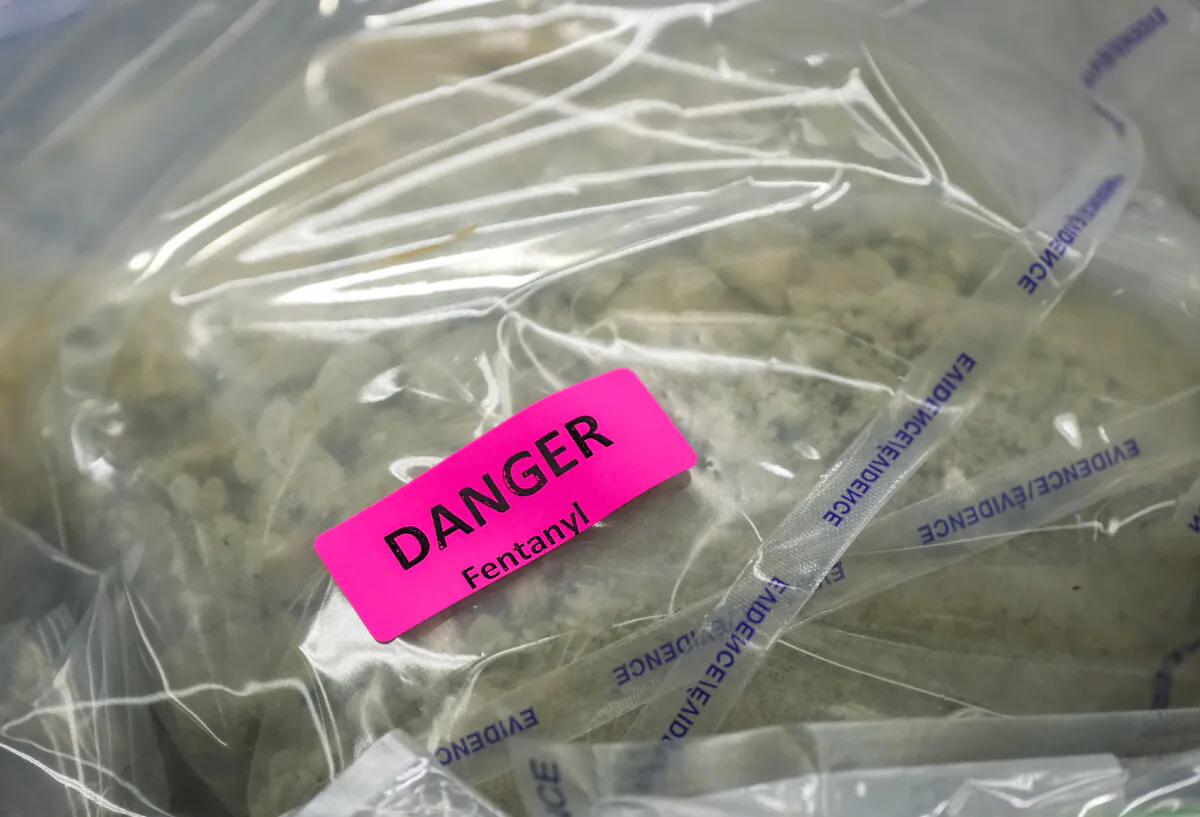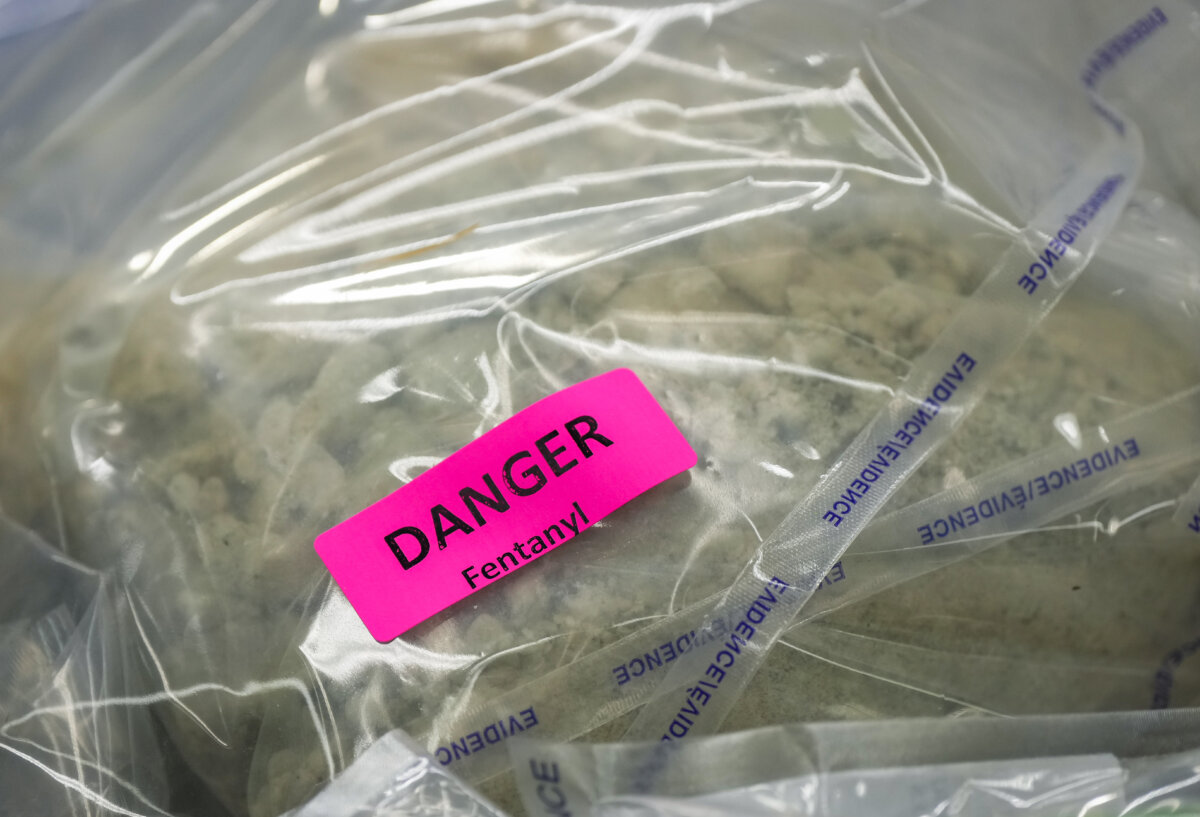

Mexican cartels do not have a “significant” presence in synthetic drug production in Canada, the RCMP said in reaction to concerns among top U.S. law enforcement officials that the cartels are moving operations to Canada to produce and distribute fentanyl.
Available intelligence indicates Mexican cartels “do not have a significant or controlling presence in Canada’s synthetic drug production landscape,” an RCMP spokesperson told The Epoch Times.
“We recognize that our U.S. counterparts are taking significant steps to disrupt serious and organized crime operations, including cartels, in several countries, and we are committed to continuing to work with them to that end; thereby safeguarding the citizens of both our countries,” a spokesperson for the RCMP said in a May 14 emailed statement.
“Organized crime groups seek to increase profit however possible, and new trends continue to emerge as long as demand exists. Our shared goal is ensuring that these organized crime groups do not expand their operations and gain a foothold within Canada.”
The remarks come after Terry Cole, head of the U.S. Drug Enforcement Administration (DEA), and FBI Director Kash Patel told a U.S. Senate Committee on May 12 of their organizations’ efforts to disrupt new drug production facilities in Canada, in addition to working to prevent source countries like China and India from shipping narcotics ingredients to North America.
“We see more precursors coming into the Port of Vancouver, coming into Canada, and the Canadians, with the Mexican cartels in country, have started producing and manufacturing fentanyl in Canada,” Cole said.
He noted there have been “significant seizures” of fentanyl in Canada in recent months, and the precursors are sent to various locations in Canada for drug manufacturing, with the output being sent across the border.
The DEA plans to open two more offices in Canada, in addition to its offices in the U.S. embassy in Ottawa and the U.S. consulate in Vancouver, Cole said.
Meanwhile, Patel said the FBI is working with Canadian law enforcement to disrupt the production facilities that criminals have moved to Canada.
The RCMP spokesperson said the police force shares the concerns raised by their U.S. counterparts and noted that the threat of illicit synthetic opioids is a “shared, multi-directional issue that is best addressed through sustained bilateral cooperation, intelligence sharing, and coordinated enforcement efforts.”
The RCMP’s efforts remain focused on intelligence-led enforcement at ports of entry, coordinated cross-border investigations, and disruption across the supply chain, while “supporting broader public health responses to the toxic drug crisis,” the spokesperson said.
The Mounties have disrupted several “superlabs” that make fentanyl and other drugs in British Columbia in recent years, and police in Ontario have reported multiple smaller fentanyl seizures in recent weeks.
Fentanyl Pushback
The Canadian Border Services Agency (CBSA) told The Epoch Times that Canada is “not a significant source of fentanyl, be it for the U.S. or abroad.”
The CBSA also said there has been an increase in seizures of guns, fentanyl, methamphetamine, and cocaine coming from the United States into Canada over the past few years.
The border agency said it seized 542 grams of fentanyl coming from the United States in 2024 and 314 grams in 2025. As of March 31, around 34 grams have been seized so far this year. Also in the first quarter of this year, the CBSA said it has seized 263,140 grams of cocaine and 165,710 grams of heroin.
Ottawa has pushed back on previous U.S. accusations that Canada is a major source of fentanyl, with Canada’s fentanyl czar Kevin Brosseau saying in January that data from the U.S. Customs and Border Protection “consistently shows that seizures at the U.S.-Mexico border far outpace those at the northern border by a wide margin.”
U.S. President Donald Trump imposed tariffs on both Canada and Mexico early last year, citing concerns about fentanyl trafficking and illegal migration into the United States from both countries.
Trump then increased tariffs on Canada from 25 to 35 percent last August, saying Canada had “failed” to stop the flow of fentanyl and other drugs into the United States.
The Canadian government has taken several steps to address Trump’s concerns, including appointing a fentanyl czar, announcing a $1.3 billion border plan, and listing several Mexican cartels as terrorist organizations, following the lead of the United States.
Prime Minister Mark Carney said last August that only 1 percent of the fentanyl entering the United States comes through the Canadian border.
Noé Chartier contributed to this report.
 Friends Read Free
Copy
Facebook
Tweet
Friends Read Free
Copy
Facebook
Tweet