VANCOUVER—Near a busy corner of Vancouver’s Downtown Eastside, a Mello Donut Shop employee rings through a customer, while outside the window a stooped-over man stands on the sidewalk. A few metres away, three people gather to exchange items outside a shuttered apartment building.
“We only accept cards, just to avoid any problems, and the washrooms are only for customers,” the employee told The Epoch Times on Aug. 28, asking not to be named due to privacy concerns.
It’s been over a year since B.C. reversed-course on its drug decriminalization pilot program with Ottawa, and local business owners and residents The Epoch Times spoke to said they’ve seen some improvements, such as fewer needles on the ground. Yet, they say, addiction-related issues remain ever present.
The Downtown Eastside continues to have disproportionate crime rates that are significantly higher than the city’s average, along with alarming overdose rates and rampant homelessness, government records show.
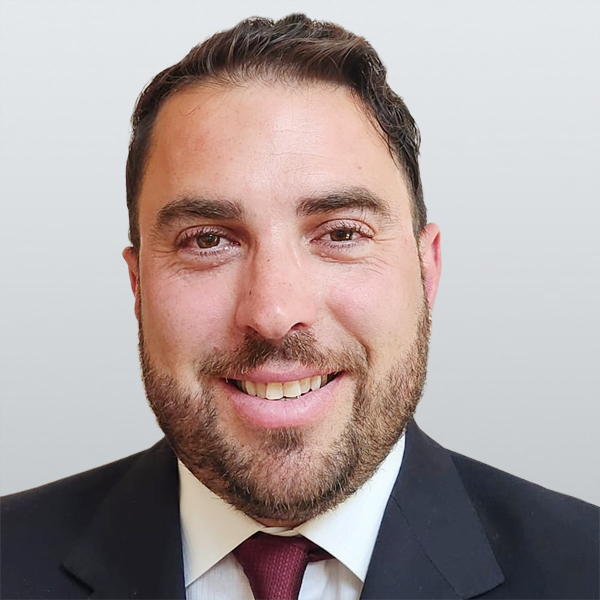
Adam Zivo, a researcher and journalist who has been documenting B.C.’s drug problem for years, says the province is still maintaining several “harm-reduction” policies that he argues in effect encourage addiction.
Meanwhile, provincial health officials maintain that B.C.’s harm-reduction programs and past decriminalization efforts were the right move, and that worsened overdose statistics are from an increasingly toxic street-drug supply rather than policy failure.
Local Impact
The employee of a general store on East Pender Street, who asked not to be named for safety reasons, said she has noted a slight improvement since drugs were recriminalized. However, she said the store still has frequent issues with drug users, shoplifters, and mentally unstable individuals entering the premises.
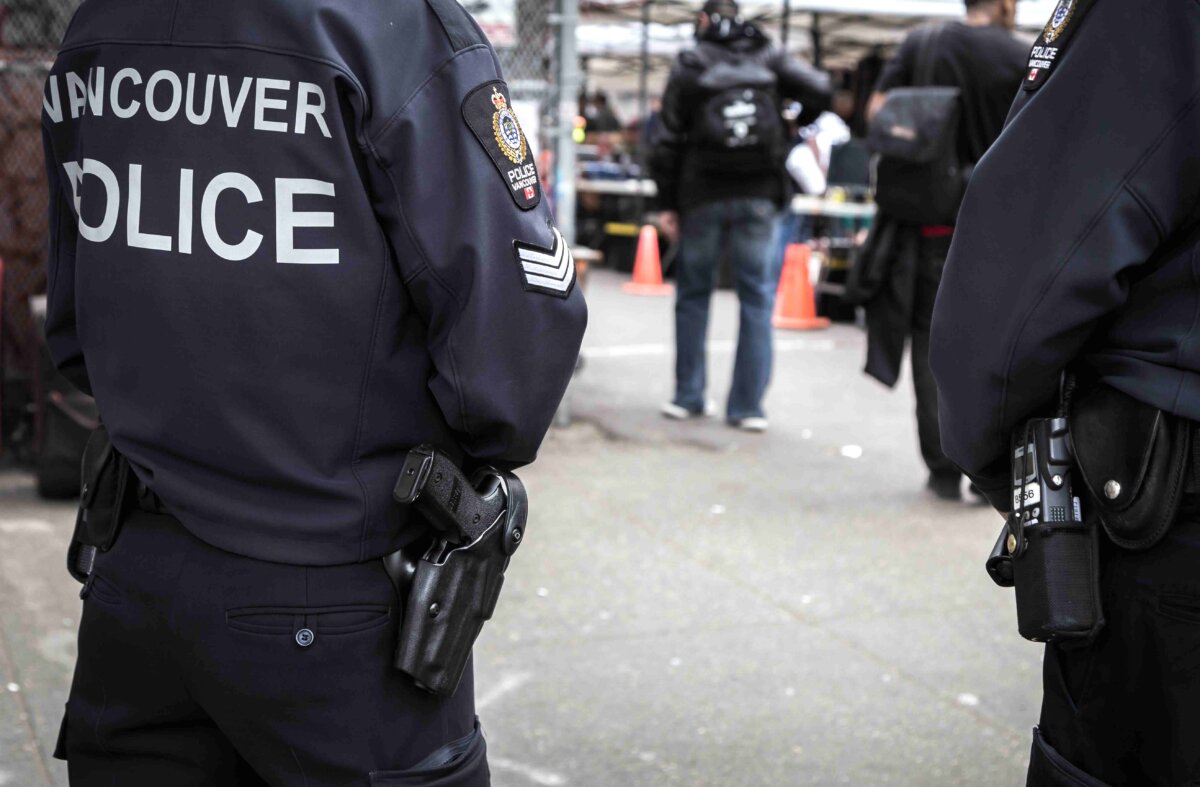
As individuals openly use heroin and fentanyl just a block away, and police cars routinely pass with sirens blaring, it’s clear that addiction problems continue to plague the city, especially in the roughly four square kilometres of the Downtown Eastside.
Photographing scenes on East Hastings St., a frenzied man approaches, demanding all photos of him be deleted, while calling for passersby to form a mob to enforce this request.
At the nearby Strathcona Community Centre on Keefer St., a group of private security guards with Paladin, who asked not to be named, said they have noticed somewhat fewer problems with needles and drug users in the past year, but say the situation is still unpredictable, as they patrol the centre and nearby playground.
B.C. recorded 2,253 drug deaths in 2024, down 13 percent from 2023, but still averaging around six deaths per day. Opioids have taken more than 17,320 lives in B.C. since being declared a public health emergency in 2016.
School Safety Concerns
At Crosstown Elementary School on Expo Boulevard near the fringes of the Downtown Eastcide, a sign on the door advises anyone wishing to enter the school to call beforehand. Signs in a park next to the schoolyard advise drug users to “make it your gig to return your rig” on a nearby needle disposal box.
An elderly man sleeps on a bench in front of the school, while a group of half a dozen people sit laughing and using drugs about 100 metres away in the adjoining park.
There were calls from parents this past June for better safety measures around the school, something Crosstown said they take very seriously.
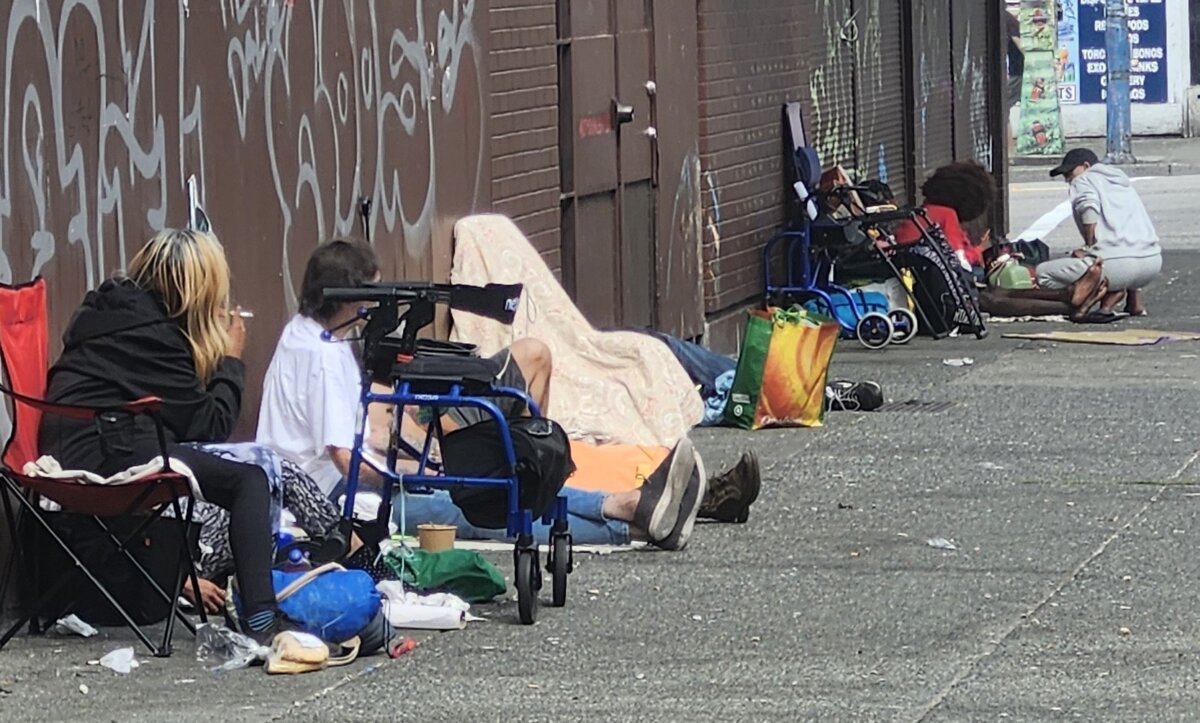 Individuals sit on the sidewalk in Vancouver’s Downtown Eastside on Aug. 28, 2025. (Paul Rowan Brian/The Epoch Times)
“While we cannot directly correlate criminalized drug use with school safety, what I can tell you is that every school takes measures to ensure students are safe during school hours,” a Vancouver School Board (VSB) spokesperson told The Epoch Times in an email.
“Every school has different needs based on their community. For šxʷwəq̓ʷəθət Crosstown, this includes using precautionary measures like locking the doors and guests ring/call to enter the building.”
VSB noted that a fence between the school play area and the park is one measure that’s been taken to improve the safety and comfort of students.
BC’s Experiment
In 2022, Ottawa allowed B.C.’s request to decriminalize small amounts of illegal drugs in a pilot program the province said would reduce stigma and encourage treatment. Decriminalization was rolled out in January 2023, allowing possession of up to 2.5 grams of certain illegal drugs, with drug production and trafficking remaining illegal.
Drug policy reform advocates such as B.C.’s Pivot Legal Society said at the time that decriminalization would help “de-stigmatize” drug use and save lives.
However, Zivo, who serves as director of the Canadian Centre for Responsible Drug Policy, said B.C.’s decriminalization measures instead allowed drug traffickers to flourish, and didn’t effectively address the addiction crisis.
 Vancouver’s Downtown Eastside East Hastings Street in a file photo. (AlbertArt/Shutterstock)
“Drug traffickers were able to act with impunity,” Zivo said in an interview, adding that many dealers just broke up shipments into smaller quantities to stay under the allowed 2.5 gram legal possession limit.
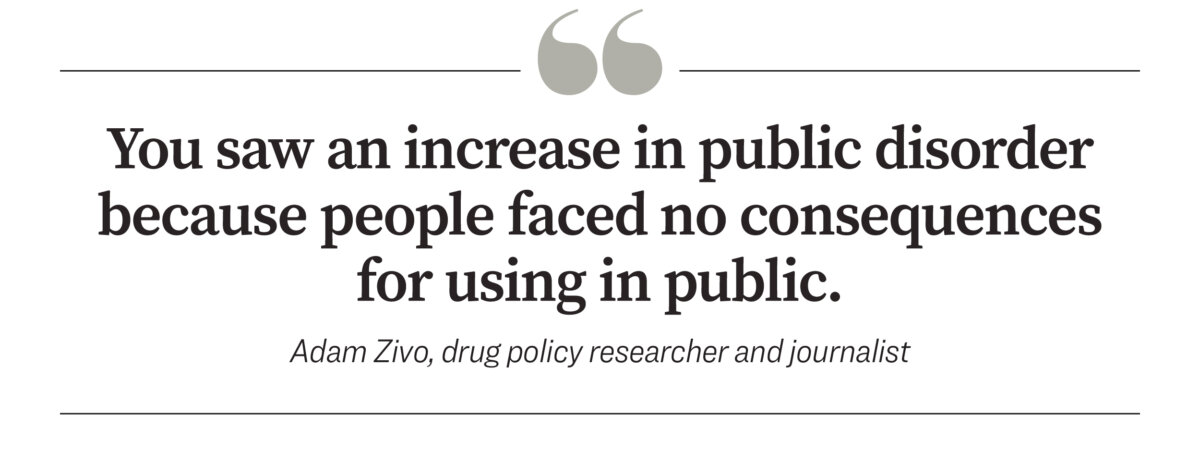
“Right away, you saw an increase in public disorder because people faced no consequences for using in public,” Zivo said. “Parents were complaining about the fact that they had to deal with syringes in playgrounds, and they had to deal with the fact that their kids were walking through clouds of meth in downtown Vancouver.”
Visible public drug use, scattered drug paraphernalia and feces in playgrounds, organized crime networks exploiting legalization, along with rising political pressure on the province’s NDP government, all led to B.C.’s decision to reverse course on decriminalization.
Despite significant pushback from decriminalization activists such as the Harm Reduction Nurses Association and a temporary injunction of B.C.’s recriminalization attempt in January of 2024, B.C. successfully appealed to Ottawa to reverse its decriminalization measures and overcame a pending injunction. Most drug possession and drug use was recriminalized in the province in April 2024.
‘Safer Supply’
B.C. still has a “safer supply” program, which allows those at high risk of overdose to get prescriptions for opioids with the permission of a health professional. Other policies still active in the province include supervised drug consumption and overdose-prevention sites where users can ingest drugs under supervision.
A March 2025 peer-reviewed study published in JAMA Health Forum found that “safer supply” policies from 2020 through 2022 correlated with a 33 percent increase in overdose-related hospitalizations, and found an additional 19 percent rise throughout 2023 correlating with decriminalization. Researchers cautioned that the study had various limitations, particularly because the authors relied on province-wide data over individual analysis, and overlapping policies made it hard to determine specific short-term causation and outcomes.
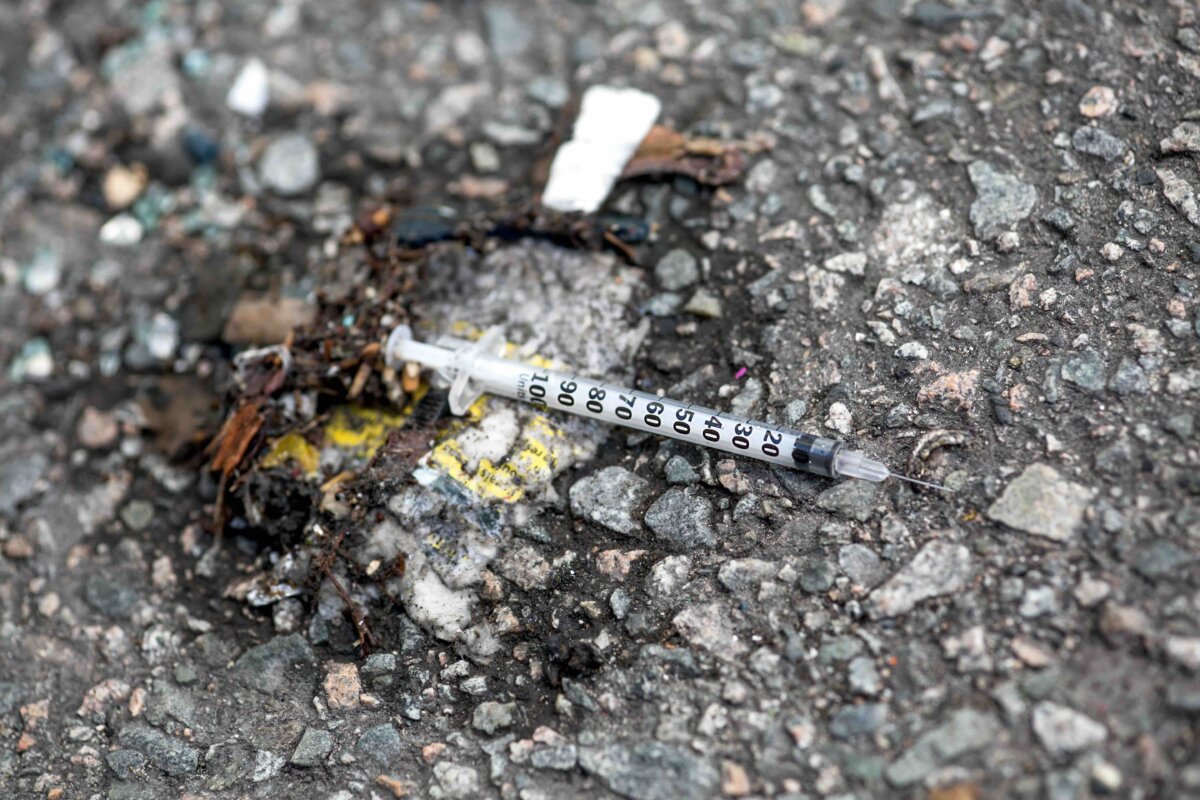 A used needle in downtown Vancouver in a file photo. (EJ Nickerson/Shutterstock)
B.C.’s Ministry of Health said the study’s results were due to the increasing “toxicity” of street drugs, and not a failure of the decriminalization policy.
“During the period of the study, the toxicity of the drug supply increased in B.C. as borders were closed during the pandemic, and criminal organizations started mixing in new drugs like benzodiazepines that do not respond to naloxone,” ministry spokesperson Sabreena Thouli told The Epoch Times in March.
“Both of these factors would logically drive increased hospitalizations.”
B.C.’s Opposition Conservatives say “safer supply” has failed, and that treatment needs to be the priority, rather than provision of drugs. According to B.C. Conservative Leader John Rustad, all the government’s supervised injection sites in Vancouver amount to “drug dens” and should be shut down, saying they are leading to more overdoses, public disorder, and worsened outcomes for addicts.
The federal Conservative party echoed this messaging, saying in an October 2023 news release that government-provided drugs such as hydromorphone were being resold on the street, with addicts using the money to buy harder drugs such as fentanyl and methamphetamine. The Tories argue that instead of safer supply giving addicts a better alternative and reducing overdose risk, government supply is fuelling the illicit, toxic drug supply.
Health Canada says safer supply connects addicts to more treatment options and prevents overdoses. While acknowledging evidence is still being built on the efficacy of the program, the agency says the safer supply system, including safe injection sites and government-supplied drugs, has been an effective step in harm reduction.
B.C.’s Ministry of Health says the safe injection and overdose prevention sites help get people social and health services they need and estimate the program to have saved over 12,400 lives between the beginning of 2019 and June of this year.
“All overdose prevention services provide a controlled and safer alternative to unsupervised substance use in public, helping reduce the risk of second-hand exposures,” the province said in a June 2025 release.
Further controversy over the policies erupted in February of this year when a leaked slideshow from the B.C. Ministry of Health revealed that some of the 22,418,000 doses of opioids prescribed via the provincial “safer supply” program between 2022 to 2024 were allegedly being sold on the national and international drug market.
B.C. Minister of Health Josie Osborne says the resold drugs represented only a “very small portion” of the doses provided. The B.C. Conservatives have called for a public inquiry as a result of the leak.
Addiction Policies
Since B.C.’s recriminalization in April of last year, data shows that there have been more individuals charged with drug possession, although rates are still below the pre-decriminalization numbers.
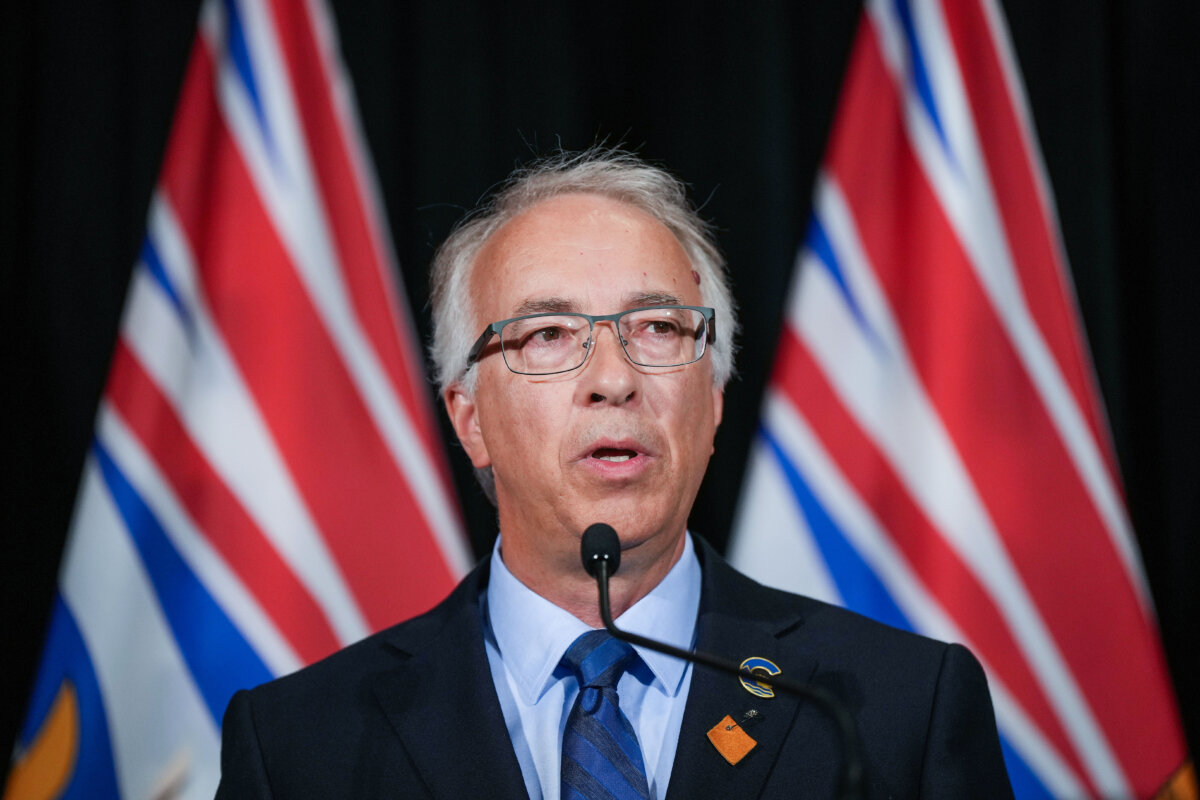
Commenting Oct. 3 on the province’s short-lived decriminalization of drugs in 2023, B.C. Premier David Eby said it “resulted in really unhappy consequences” and was “not the right policy.”
Zivo says B.C.’s recriminalization is accompanied by a lack of effective enforcement and a revolving-door legal system that lets offenders avoid accountability.
“Now things are technically recriminalized, but at the same time, when there’s a lack of will to enforce the law, and when police officers feel that criminals will be let right back out onto the streets, they don’t have the strong incentive to actually enforce the law,” said Zivo. “So I would imagine that that would explain why things haven’t significantly improved.”
 Friends Read Free
Copy
Facebook
Tweet
Friends Read Free
Copy
Facebook
Tweet