
Explainer
In British Columbia, an issue involving a leak about “safe supply” drugs being trafficked has created a political controversy and led to a police investigation.
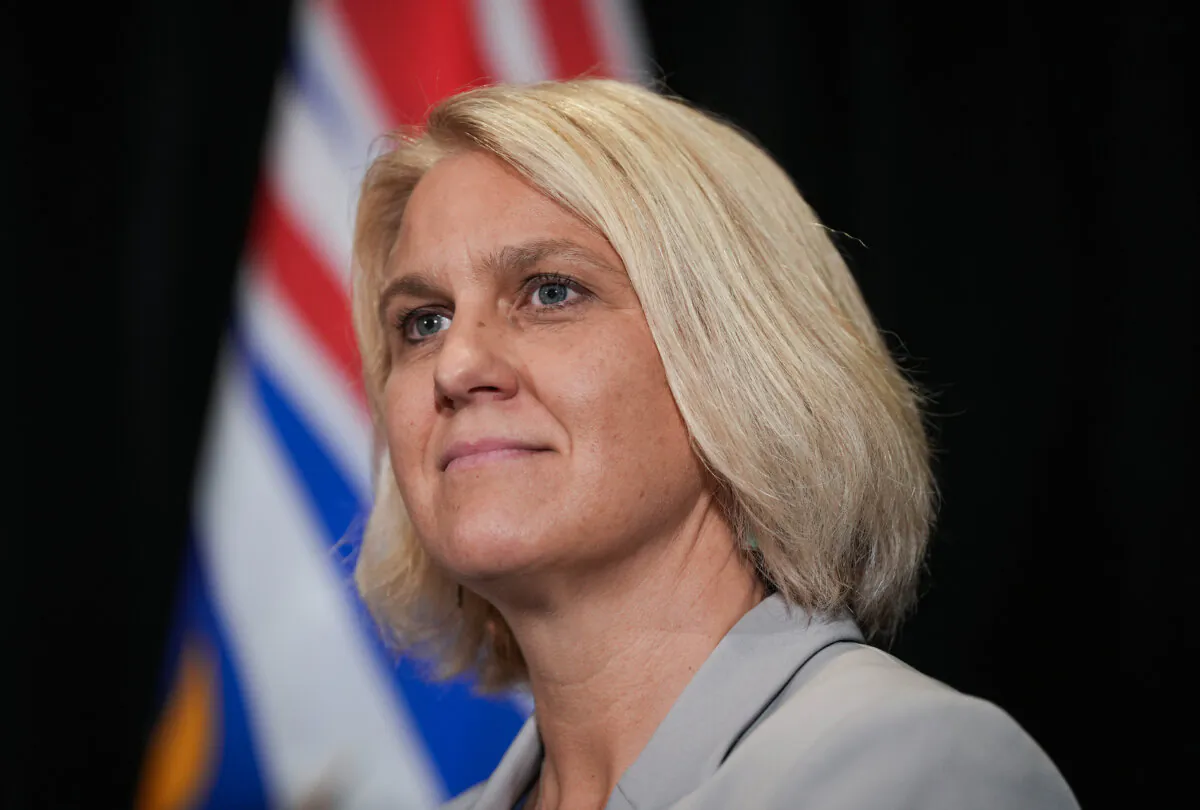
In February, a Ministry of Health slideshow document was provided to the B.C. Conservative caucus by an unnamed source. The document was prepared for law enforcement and showed that about 60 pharmacies were under investigation for possible trafficking of safe supply drugs. It was publicized by Conservative MLA and public safety critic Elenore Sturko.
Safe supply drugs, such as opioids, are provided by the government to people with drug addiction as part of an effort to reduce the risk of overdoses in the province.
The B.C. government says the program “helps save lives” by preventing those with drug addiction from using “toxic street drugs.” It said the program runs alongside the expansion of treatment and recovery services.
The B.C. Conservatives say the program is fuelling drug use as the opioids are being resold and trafficked, “enriching organised crime.”
What the Leaked Document Says
The slideshow provided to Sturko said “prescribed alternatives are trafficked provincially, nationally and internationally.”
The document says a “significant portion” of the opioids being offered free through the safe supply program “are not being consumed by their intended recipients.”
There were several groups identified as being involved in the trafficking of the drugs, including assisted living residences, doctors, pharmacies and pharmacists, and gang members and organized crime.
Allegations about the program include pharmacy incentives being offered to clients, as well as to doctors and medical professionals, according to the document. It also says some community housing staff are requiring tenants to use a specific pharmacy.
To deal with the problem, the document lays out a three-phase plan that starts with determining its scope, gathering intel and developing partnerships, and educating pharmacists, doctors, law enforcement, and medical professionals.
Phase two would be enforcement, according to the document. It includes targeting specific pharmacies, and the ministry would supply information with law enforcement and other agencies.
The final phase would include reporting and prosecution.
BC Drug Policies
In 2023, B.C., in coordination with the federal government, began a trial program to decriminalize small amounts of hard drugs, but soon faced public backlash after an increase in public drug use in spaces like playgrounds and parks. The B.C. government asked the feds to stop the program in 2024.
The province’s safe supply program started in 2020. The federally funded initiative provides prescribed opioids to drug addicts to discourage them from getting drugs from the illicit street market.
Both the federal Conservatives and the B.C. Conservatives have been critical of the program, as well as other provincial drug policies including supervised drug injection sites, with the Conservatives calling them “drug dens.”
The provincial NDP government and the federal Liberal government say the sites are necessary to “save lives.”
The federal Conservatives say B.C.’s safe supply program has “flooded streets with taxpayer-funded addictive opioids, keeping people hooked instead of helping them heal,” arguing that the focus should instead be on “compassionate intervention” and recovery-oriented rehabilitation programs.
The federal government says safe supply provides “safer alternative to the toxic illegal drug supply to people who are at high risk of overdose.” It adds that the program can help prevent overdoses, and “connect people who use drugs to other health and social services.”
In February this year, B.C. started requiring those in the safe supply program to take the drugs under medical supervision rather than taking the drugs home. The change was announced after the leaked document was disclosed by the B.C. Conservatives.
Police Investigation Into Leak
After Sturko released the document, she was called and questioned by the RCMP anti-corruption unit about its publication.
After the document was made public, B.C. Director of Police Services Glen Lewis requested an investigation into the leak. Public Services Minister Gary Begg said on May 14 that Lewis was acting “fully within his role” when he asked for an investigation.
However, the B.C. Conservatives say the RCMP investigation could be seen as a way to “put a chill on” government employees who may want to expose wrongdoing.
The province’s Public Interest Disclosure Act, which came into effect in 2019, provides protection to public employees who want to report wrongdoing that is considered “potentially unlawful, dangerous to the public or injurious to the public interest.”
Conservative Leader John Rustad said the RCMP investigation makes it look like the government is undermining the Disclosure Act.
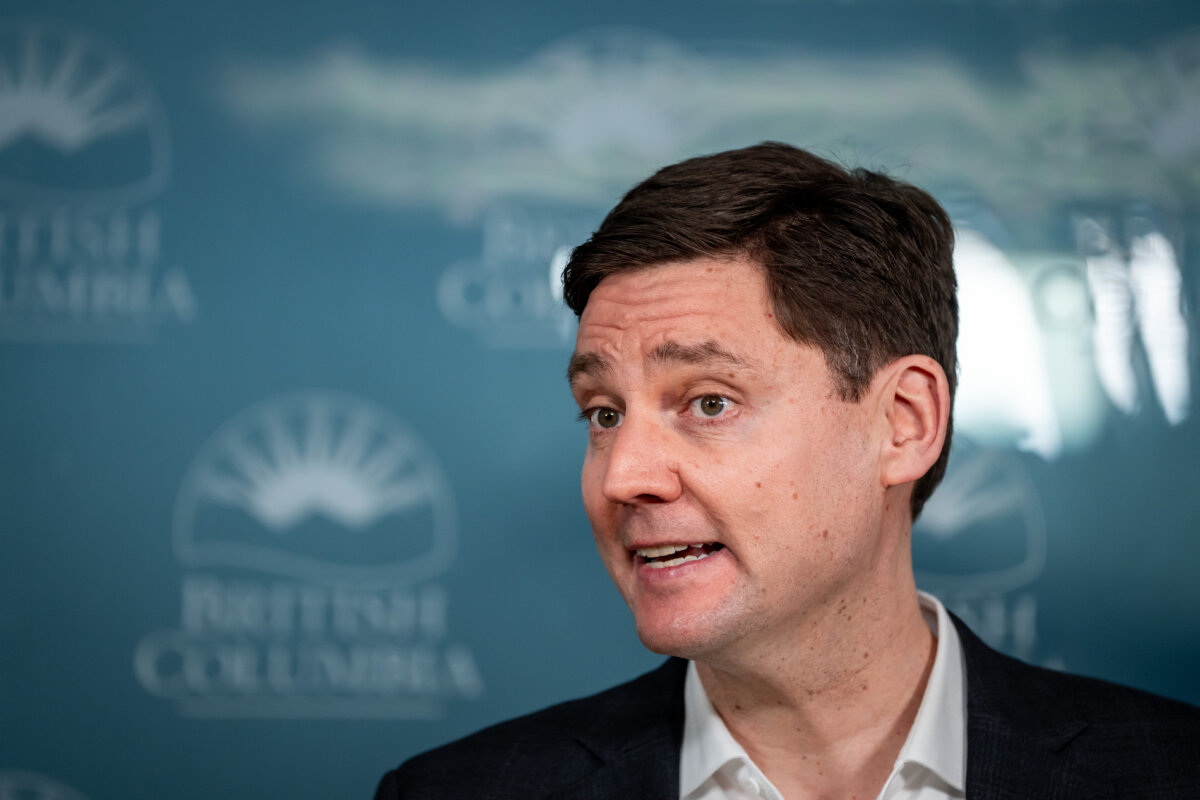
NDP Premier David Eby said the RCMP investigation was initiated and conducted independently, adding he had inquired about intervening in the ongoing investigation and saying he thought resources would be better directed elsewhere. He said he was told that the government cannot interfere and police are independently doing the investigation.
Eby noted that Sturko should not have received a phone call from police “for doing her job.”
 Friends Read Free
Copy
Facebook
Tweet
Friends Read Free
Copy
Facebook
Tweet