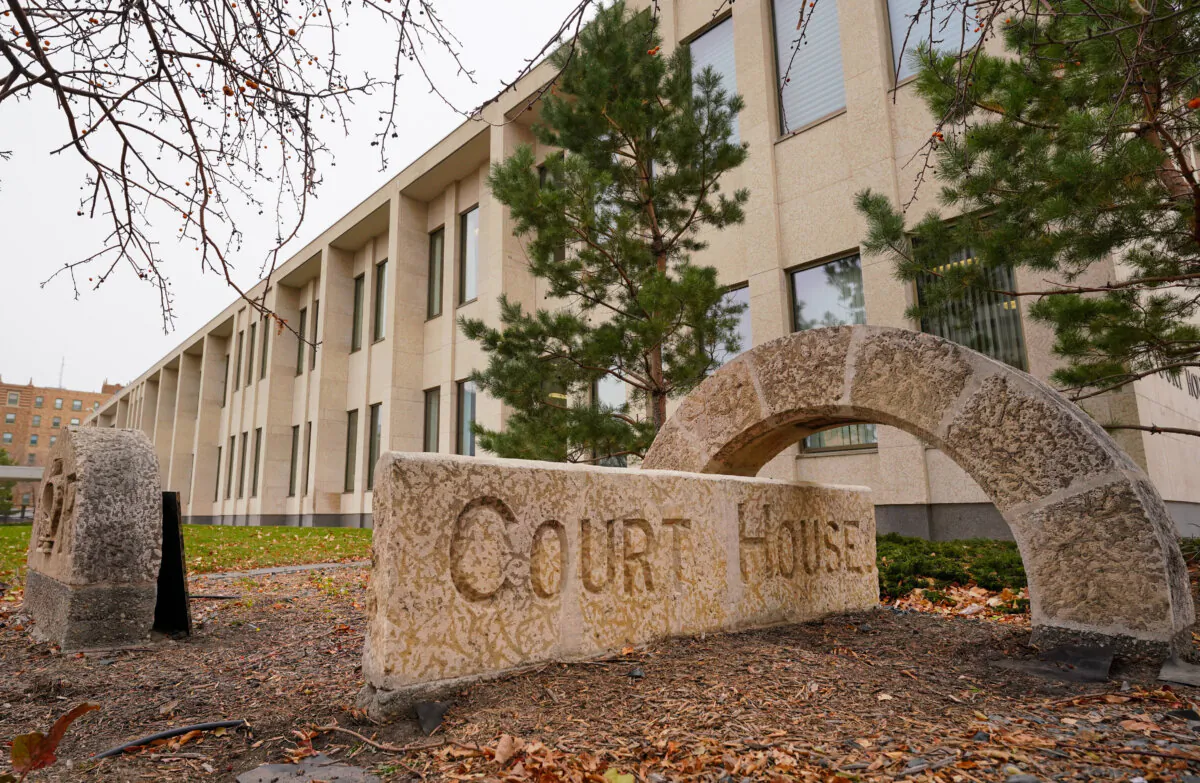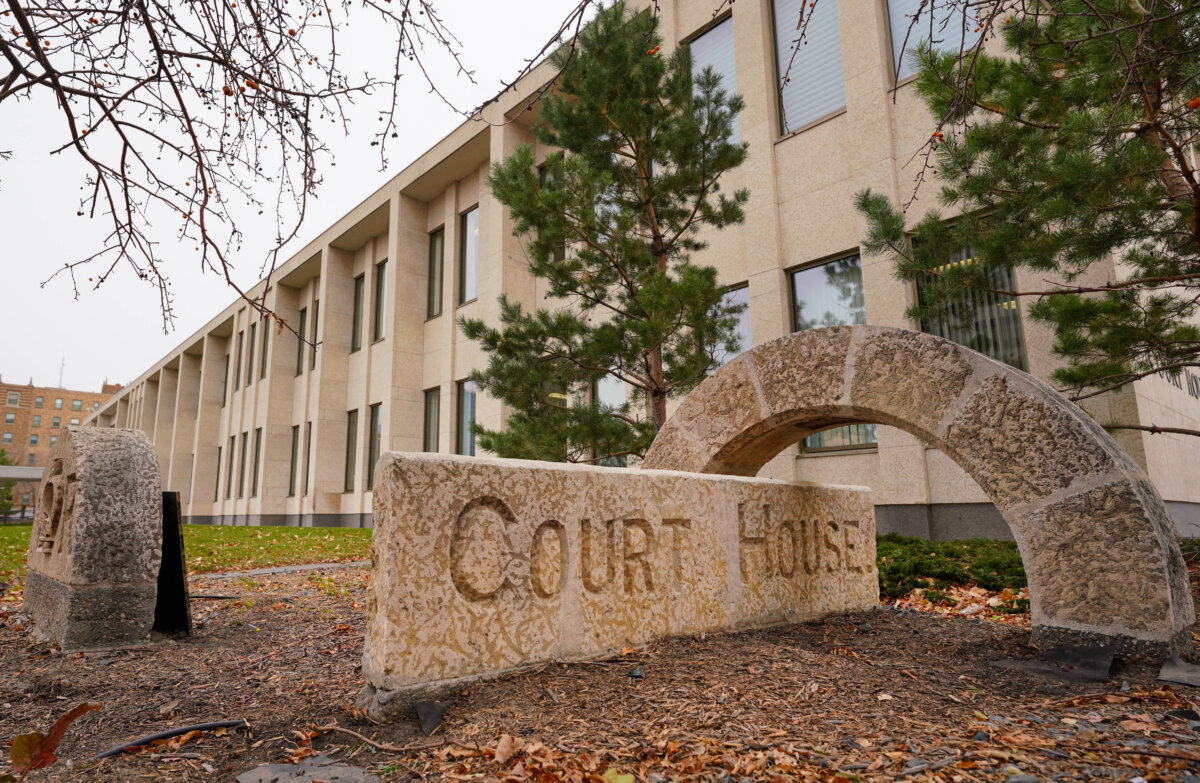

Saskatchewan’s Court of Appeal has rejected an attempt by the City of Prince Albert to revoke the property tax exemption status of a local church, ruling that hosting a bake sale doesn’t classify the church as a commercial entity.
The court rejected the theory that a church hosting a sale or fundraiser would jeopardize its tax-exempt status in the Feb. 3 ruling, saying it is the primary use of the property that dictates its status.
The dispute started in 2023 when a city assessor determined that the exemption status of Embassy Church in Prince Albert’s downtown core was largely invalid, according to the ruling.
The church’s main building is used for several different purposes, the court decision notes. It serves as a church but it also houses a registered independent school, and a day care facility. It includes space that is leased to third parties, and areas that can be rented on a one-time basis by members of the public for social or business functions. It also contains a second stand-alone building with a convenience store.
The assessor determined the school portion of the property was exempt, but the remainder was not, a decision the court described as “a dramatic change from the way the property had been dealt with in the past.”
Embassy Church agreed that the portion of the property that includes the stand-alone convenience store and the space rented to third parties on a long-term basis should be subject to taxation, but contested the taxation of the remainder of the space, the ruling said.
The church unsuccessfully appealled the assessment to the city’s Board of Revision and took its case to the Saskatchewan Municipal Board for appeal. The board’s assessment appeals committee ruled in favour of the church, finding that the disputed parts of the property should be exempt from taxation because it is primarily a place of worship.
The case landed before the Saskatchewan Court of Appeal when the city opted to appeal the committee’s decision.
One of the church’s lawyers, Philip Fourie, told The Epoch Times while the city did not argue the church should lose its status because it hosted a bake sale, the issue was brought forward during a previous court appearance.
When the city sought permission from the court to appeal, the judge inquired of its solicitor whether the city thought a church bake sale should disqualify the church from receiving a tax exemption. The solicitor replied that maybe it should, Fourie said.
“The city’s position has been that any secondary fundraising activities conducted on a church irrespective of the fact that its purpose is to support the Church’s primary charitable purposes should disqualify the property from tax exemption because the activity is for a purpose other than public worship,” he said.
Fourie and co-counsel Carla Dombowsky said in a press release that the appeals court expressly disavowed a “single bake sale” logic.
“This decision is good news for churches in Saskatchewan, and indeed across Canada,” they said in a press release. “When the public benefit and charitable status of faith communities is being questioned in Canada, it is heartening to see the Court of Appeal affirm the public benefit and tax-exempt status of churches.”
City of Prince Albert solicitor Mitchell Holash said in an email that the court’s decision relates to commercial uses in the building “applicable only to the assessment year of 2023.”
“The City is required by law each year to assess the Embassy Church’s commercial uses of space,” Holash said, adding that the city acknowledges the court’s findings.
Ruling
The three-judge panel ruled that the use of the church did not need not be exclusive, it just needed to be the principal use.
Justice Jerome Tholl wrote in the decision that a place of worship is defined as a place where people assemble for religious, spiritual, or analogous purposes. Fellow justices Lian Schwann and Jeffery Kalmakoff concurred with his reasoning.
They said the tax exemption is intended to alleviate property tax for segments of buildings owned by religious organizations that are primarily used as venues for public worship and said insisting on exclusivity would undermine that objective.
The court ruled that the committee’s assessment of the church’s tax exemption status was the correct one and dismissed the city’s appeal.
Embassy Church Pastor Meghan Mayer said in a statement that the church is grateful for the ruling.
“Embassy Church is grateful to the Court for its careful reasons, to our counsel for steadfast advocacy, and to our community for unwavering support,” she said. “We will continue to open our doors as a place of public worship — for prayer, teaching, service, and hope — and to serve the people of Prince Albert. ”
 Friends Read Free
Copy
Facebook
Tweet
Friends Read Free
Copy
Facebook
Tweet