
Canadian officials have evaluated asylum claims from 19 Haitian migrants who were arrested in Quebec on Christmas day and have returned an undisclosed number of them to the United States after deeming them inadmissible, Canada’s border agency says.
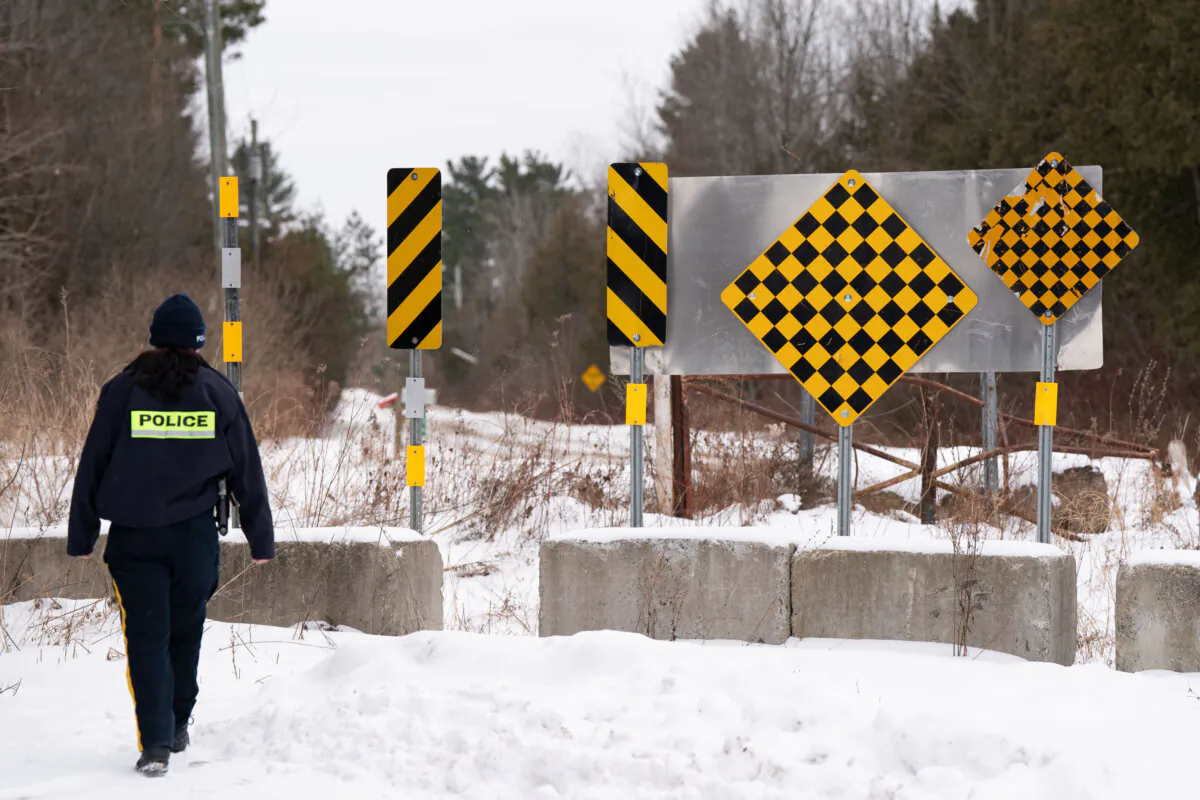
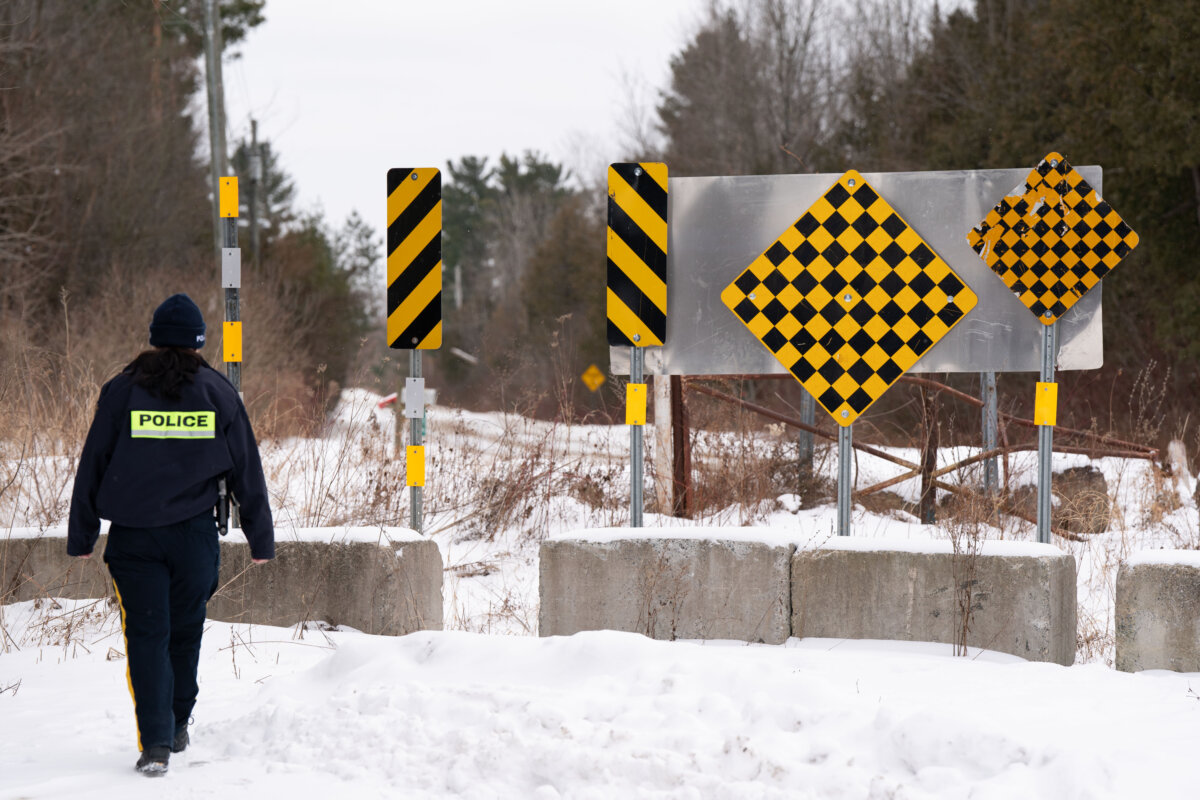
RCMP officers arrested a group of people on Dec. 25 ranging in age from one to 60 after they were discovered hiding in the woods in the Havelock area of Montérégie, Que., located roughly five kilometres from the New York state border.
All of the migrants taken into custody submitted asylum applications. Canada Border Services Agency (CBSA) spokesperson Rebecca Purdy said all of the asylum claims linked to the Dec. 25 apprehension have now been processed.
“All those who were deemed inadmissible were removed to the United States,” Purdy wrote in a Dec. 30 email. “The CBSA will not provide further comments or details on individual cases as an individual’s border and immigration information is considered private and protected by the Privacy Act.”
She said the CBSA determines if claims are eligible under the Additional Protocol of the Safe Third Country Agreement (STCA) and the Immigration and Refugee Protection Act.
The STCA established in 2004 between Canada and the United States, which designates both nations as “safe” for refugees, also plays a role in decision-making. The pact says that asylum seekers are required to seek protection in the first safe country they arrive in, which typically hinders claims at official land border crossings. There are exceptions for family members and unaccompanied minors and the agreement was broadened in 2023 to include unofficial crossings as well.
Christmas Day Apprehensions
RCMP Integrated Border Enforcement Team officers began the search after receiving information about the illegal crossing from United States Border Patrol.
Officers initially located 15 people at approximately 6 p.m. on Dec. 25 and continued searching the woods until nearly 10:30 p.m. to find the remaining individuals, the RCMP said in a statement.
Eight people were transported to the hospital, including six who needed treatment for frostbite and two young children who were admitted as a precaution, police said.
One man was arrested under section 117 of the Customs Act in connection with the Christmas Day interception. The RCMP said officers had reason to suspect he was in the area to pick up the migrants with his vehicle.
RCMP spokesperson Cpl. Erique Gasse told The Epoch Times in a Dec. 30 email that the investigation is ongoing and no additional arrests have been made.
Asylum Claims
There were 1,521 asylum claimants apprehended between ports of entry by the RCMP this year as of October, according to Canadian Immigration and Citizenship statistics. The majority of the apprehensions occurred in Quebec and British Columbia.
This year’s numbers are a drastic drop from late 2022 and early 2023, when apprehensions ranged from 3,700 to just shy of 5,000 per month. The stats don’t indicate the ethnicity of the illegal crossers who were apprehended, but the data noted that Haiti is the top source for land border claims, followed by Columbia and Venezuela.
Montreal has a large Haitian population with 142,535 residents of that ethnicity as of 2021, according to Statistics Canada figures. Haitians are also the primary source country meeting the Safe Third Country Agreement (STCA) family exception.
The STCA has come under scrutiny in recent months as the administration of U.S. President Donald Trump carries out a wide-ranging crackdown on illegal immigration.
The White House in June announced the end of its Temporary Protected Status (TPS) for Haiti that granted temporary legal status to approximately 348,000 individuals. The termination of TPS for Haiti was temporarily halted by a court order until February of 2026.
The U.S. Department of Homeland Security then said in December it planned to end family reunification programs for individuals from a number of countries including Haiti. The department cited abuse of the system, saying the program will end next month.
The CBSA did not comment on the number of Haitian migrants crossing the Canada-U.S. border in its email but said all refugees wishing to enter the country must do so at a designated port of entry.
“Crossing the border between ports of entry is illegal and dangerous,” Purdy said. “Failure to report to the CBSA upon arrival in Canada is a serious offence and may result in penalties or charges.”
 Friends Read Free
Copy
Facebook
Tweet
Friends Read Free
Copy
Facebook
Tweet