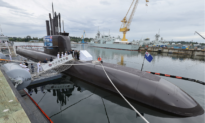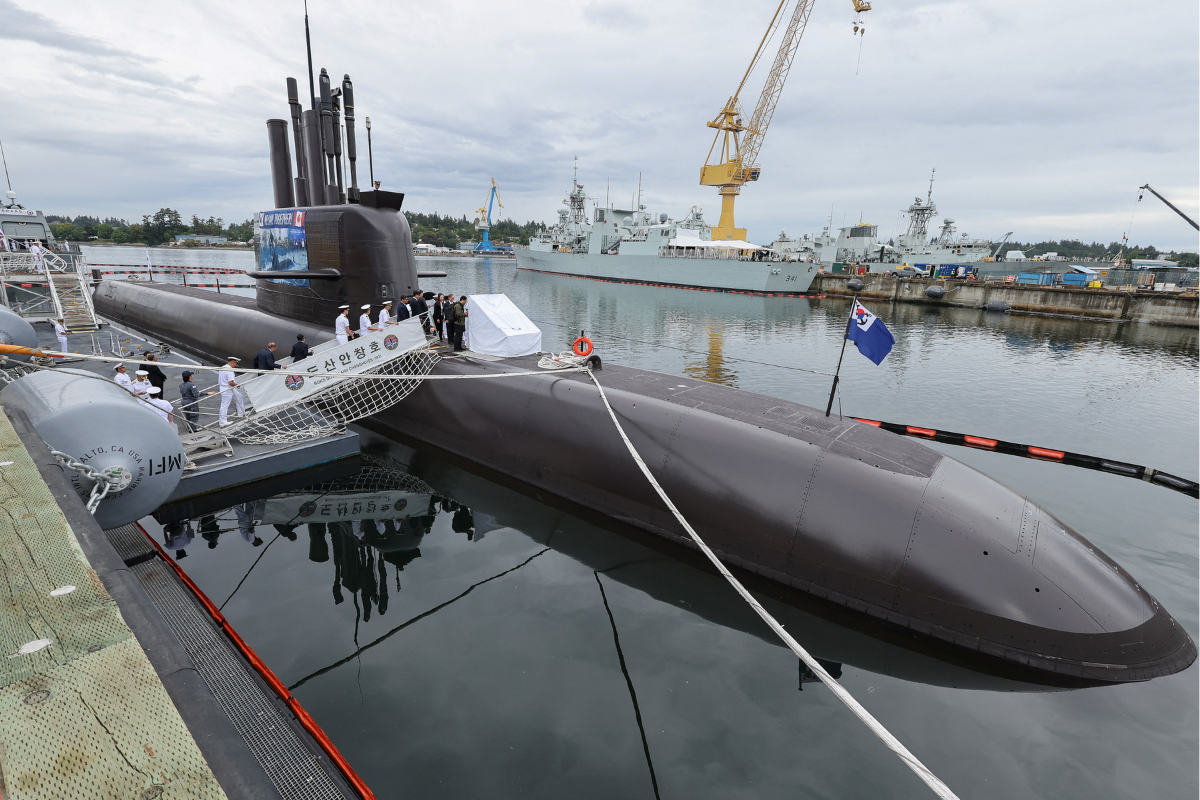

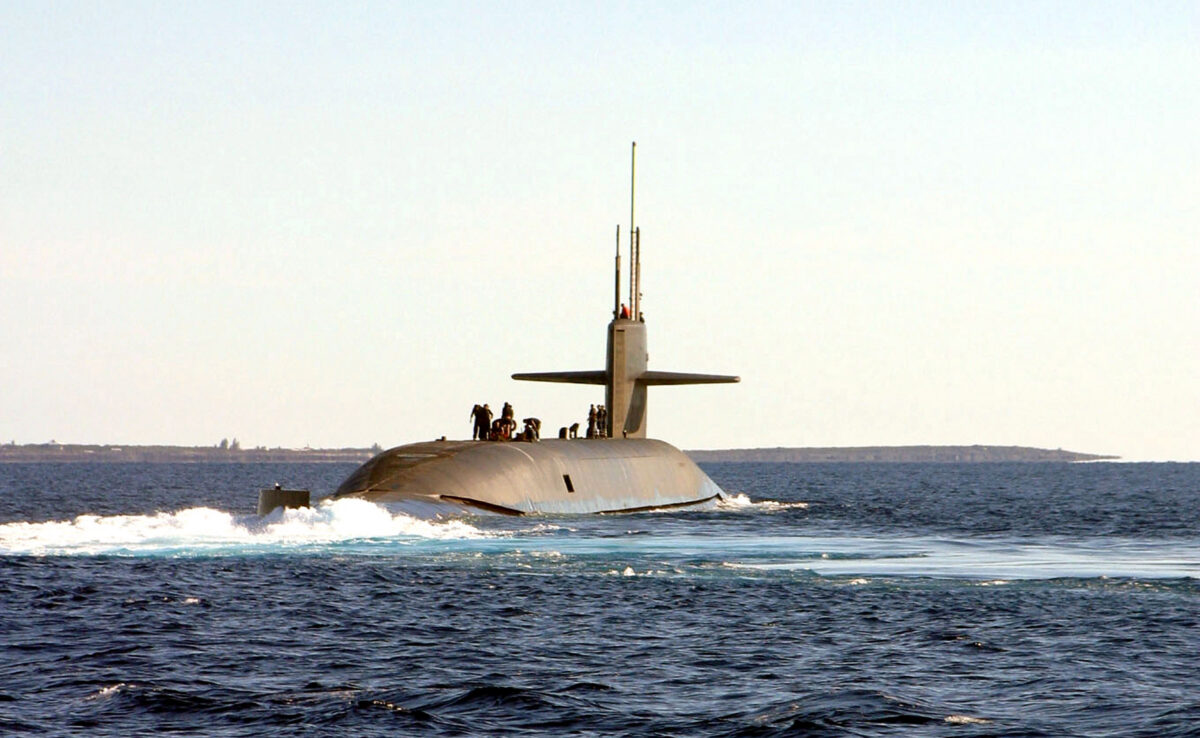
South Korea aims to launch its first nuclear-powered submarines in the mid-2030s, part of the Asian country’s measures to counter aggression from North Korea.
South Korean Defense Minister Ahn Gyu-back said on May 26 at a defense strategy meeting that the project, called “Jang Bogo N,” will develop nuclear-powered vessels that will use low-enriched uranium of up to 20 percent for fuel, according to South Korea’s Yonhap News Agency.
“We will work to launch the first nuclear-powered submarine in the mid-2030s and push ahead with development to enter operational service in the latter half of the 2030s or later,” Ahn said during the meeting presided over by President Lee Jae Myung. “Nuclear-powered submarines are expected to play a key role in responding to North Korea’s nuclear and missile threats, based on their ability to remain submerged for an extended period with greater mobility.”
The defense minister said that South Korea will work closely with the United States during the process of securing the uranium fuel to ensure non-proliferation and will also work with the International Atomic Energy Agency.
The push comes after the United States gave South Korea its backing to build nuclear-powered submarines in October 2025.
The move represented a departure from Washington’s strict controls on nuclear propulsion technology, which were previously shared only with close allies, such as those in the AUKUS pact, which includes Australia and the UK.
Shipbuilding Investments
After the October summit with Lee, U.S. President Donald Trump said that Washington would share sensitive nuclear propulsion technology with Seoul so the U.S. ally can build nuclear-powered submarines to counter regional threats.
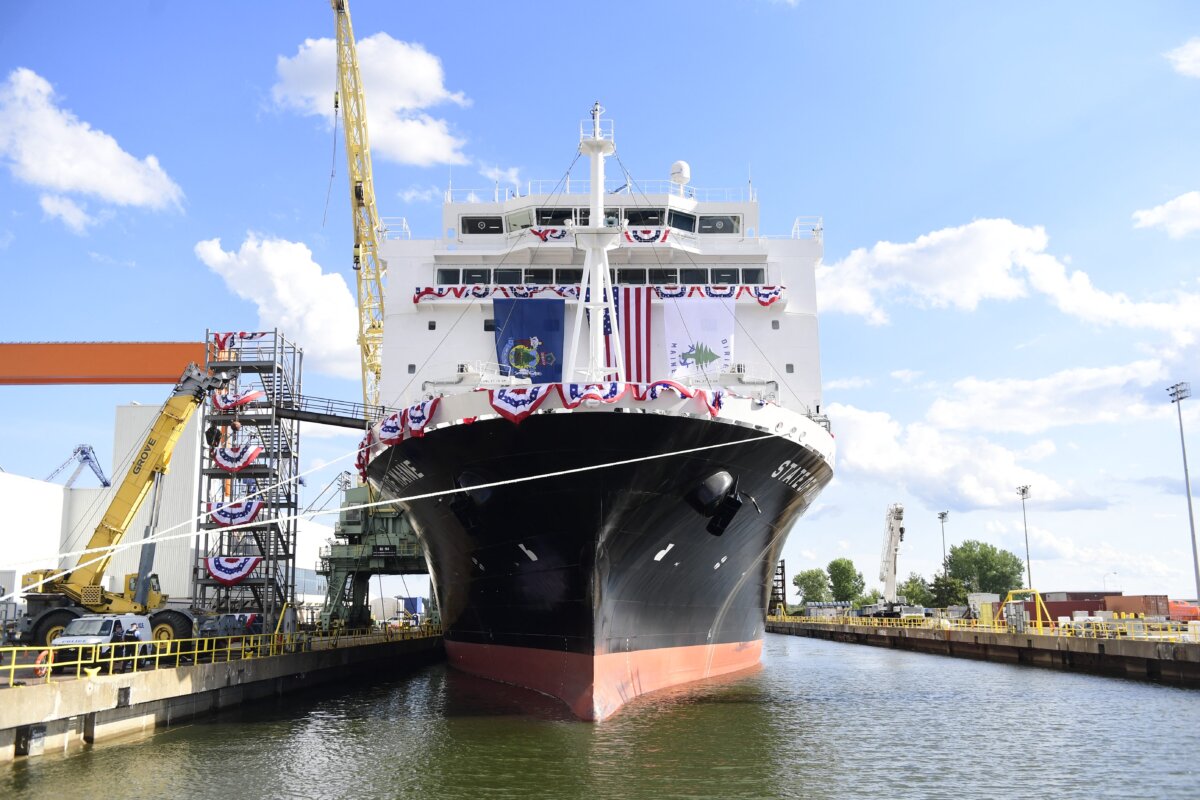
South Korea committed $150 billion to U.S. shipbuilding investments, with the vessel expected to be constructed at the Hanwha Philly Shipyard in Pennsylvania, which is owned by South Korean conglomerate Hanwha Group.
“The nuclear-powered submarine, which will be built on the basis of a strong South Korea–U.S. alliance, is a symbol of our will to take responsibility for peace and security on the Korean Peninsula,” Lee told the committee on May 26.
Shares in South Korean shipbuilders Hanwha Ocean and HD Hyundai Heavy closed up 10.2 percent and 9.6 percent, respectively, following Lee’s highlighting the importance of the project in the meeting.
A statement issued by the South Korean Ministry of National Defense on May 26 said that the country remains committed to its nuclear non-proliferation obligations, echoing October comments from Lee that obtaining nuclear-armed submarines was not Seoul’s intention.
US–South Korea Cooperation
In January, U.S. and South Korean officials agreed to closely cooperate on Seoul’s pursuit of nuclear-powered submarines.
The South Korean defense ministry said at the time that “both sides agreed that cooperation in building South Korea’s nuclear-powered submarines will strengthen South Korea’s military-led defense capabilities in the defense of the Korean Peninsula and serve as an important milestone in further elevating the [South Korea]–US military alliance, and agreed to closely cooperate.”
U.S. Undersecretary of War Elbridge Colby, on his first international trip as undersecretary of war and policy, described South Korea as a “model ally.”
The agreement followed U.S. Secretary of War Pete Hegseth’s two-day visit to South Korea in November 2025, where he said that the Pentagon would be working with the Department of Energy and the Department of State to fulfill Trump’s commitment.
Hegseth said Trump “wants allies to be strong. He wants our allies to have the best capabilities, and because Korea has been a model ally, he’s open to opportunities like that that ensure they have the best capabilities in their own defense and alongside us as allies.”
Reuters contributed to this report.
 Friends Read Free
Copy
Facebook
Tweet
Friends Read Free
Copy
Facebook
Tweet