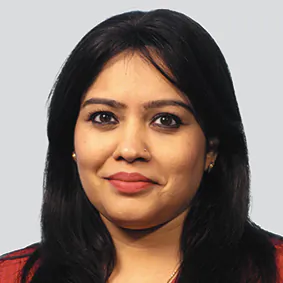
Just days after the special envoy on anti-Semitism delivered her findings, Special Envoy to Combat Islamophobia Aftab Malik has confirmed he is close to finalising a set of recommendations.
The report is expected to be handed to the prime minister in the coming weeks.
In a statement on July 10, Malik said the proposals are shaped by extensive engagement with more than 100 Muslim community representatives, including youth, women, scholars, religious leaders, and national Islamic bodies.
“I’ve had the opportunity to hear directly from Muslim Australians about the distressing and often traumatic instances of Islamophobia they experience in daily life,” he said.
Malik noted that his recommendations are informed not only by community voices but also by expert contributions from fields such as social cohesion, hate crime prevention, and public policy.
He said the fight against Islamophobia must involve collaborative efforts across all sectors and levels of Australian society.
“My intention is to make Islamophobia a shared national concern—one that drives action through education, stronger community ties, policing strategies, and policy development,” he said.
Malik described the report as grounded in lived experience and backed by evidence and expert knowledge.
“I look forward to presenting these recommendations to the prime minister and to the Australian public,” he said.
Sharp Rise in Islamophobic Attacks
New research reveals a surge in anti-Muslim hate incidents across Australia.
A report released in March this year by the Islamophobia Register, in collaboration with Monash and Deakin Universities, analysed over 600 reported incidents between January 2023 and November 2024.
The findings mark the steepest rise in Islamophobic attacks since the reporting project began in 2014.
The fifth edition of the report documents 309 in-person cases—more than 2.5 times higher than the previous period—and 366 verified online incidents, more than triple the earlier figure.
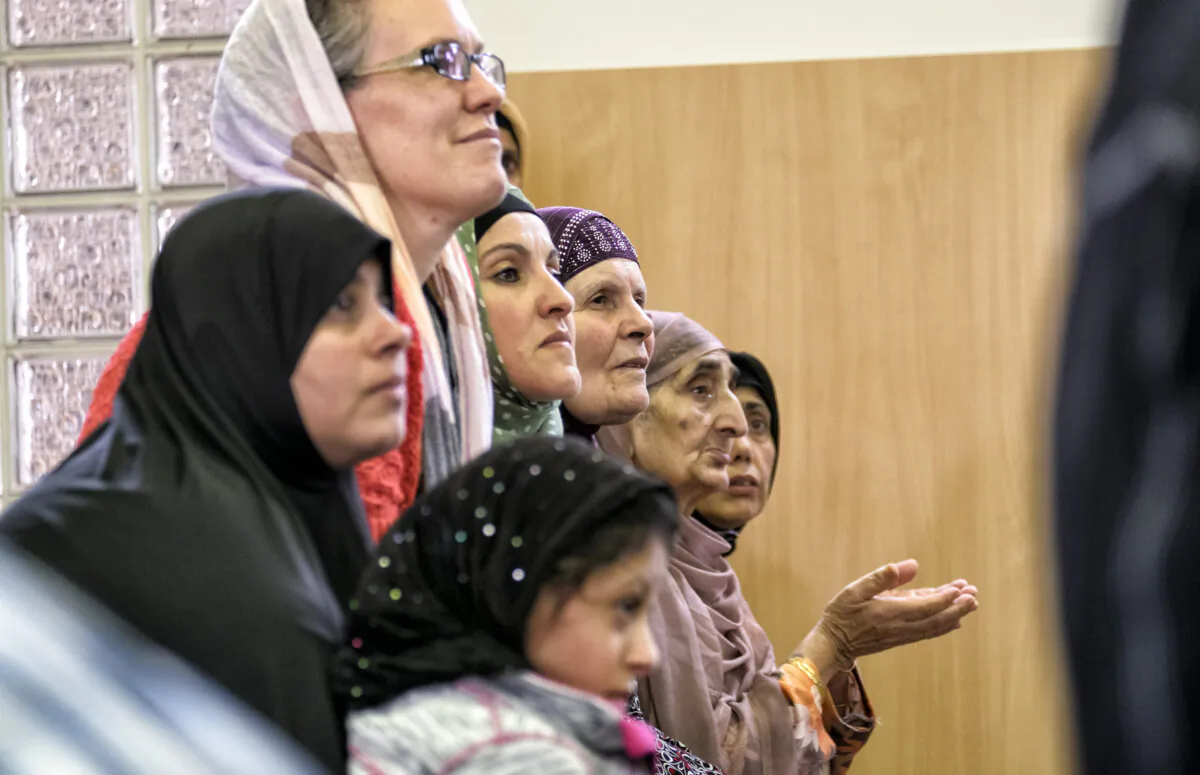
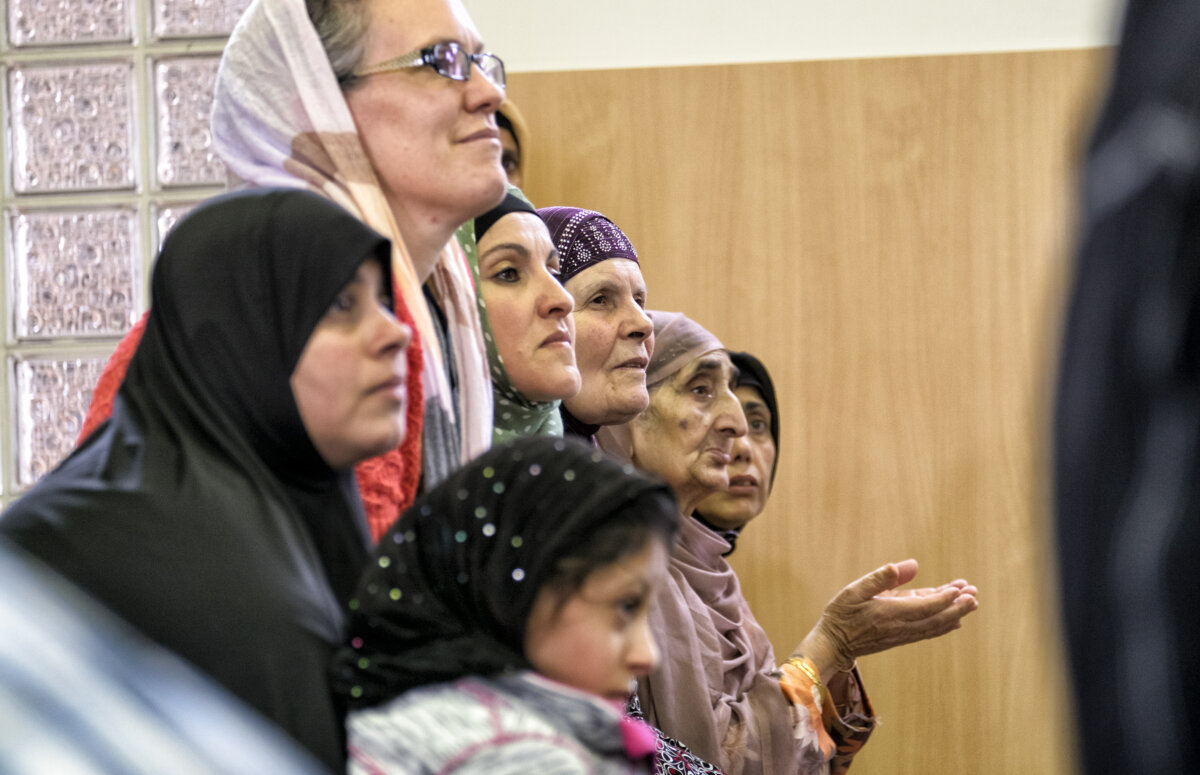
Muslim girls and women accounted for three-quarters of all incidents, which included verbal harassment, spitting, rape threats, and physical assaults.
Nearly half of all cases occurred in New South Wales, which has the country’s highest population of Muslim Australians.
Researchers noted that many victims were left traumatised, expressing fear, anger, and helplessness in the aftermath.
The findings come amid a string of recent incidents, including an online threat targeting a Sydney mosque, two separate assaults on Muslim women in a Melbourne shopping centre, and verbal abuse directed at a woman in Sydney’s west.
 Friends Read Free
Copy
Facebook
Tweet
Friends Read Free
Copy
Facebook
Tweet