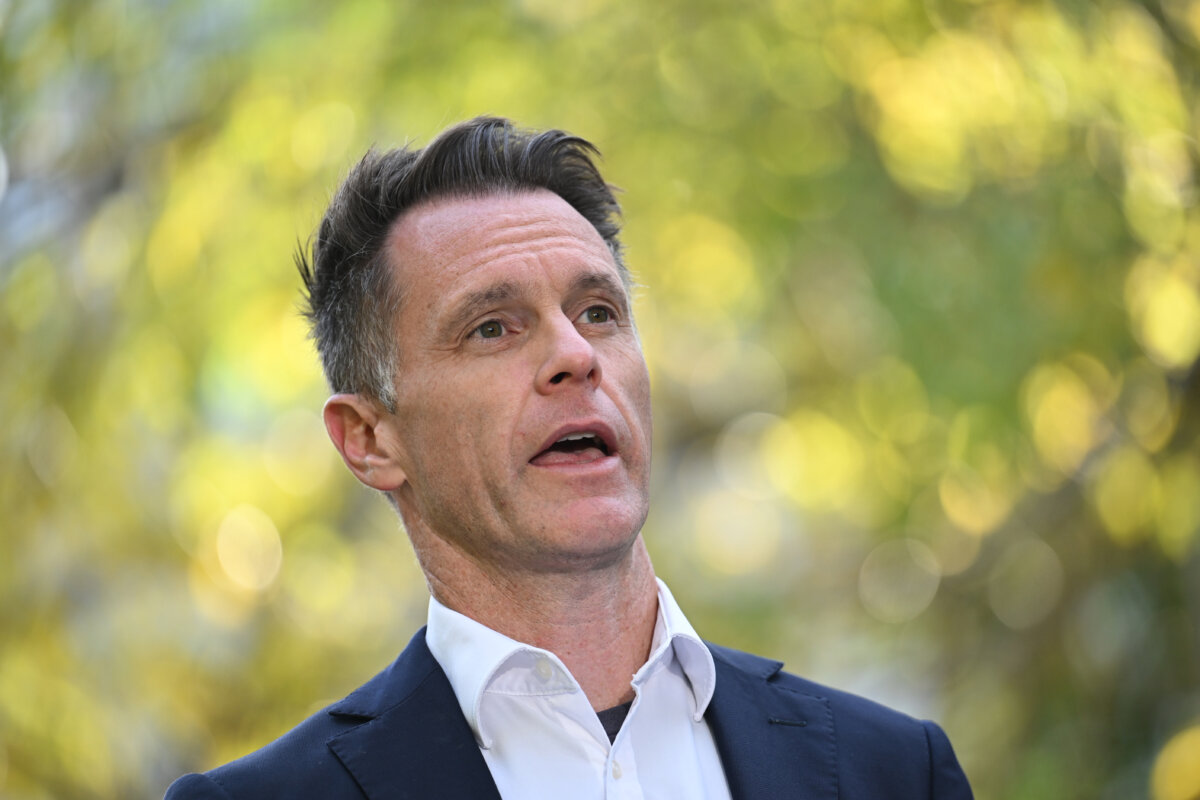

New South Wales (NSW) Premier Chris Minns says the rate of home building in his state has consistently been outpaced by its northern and southern neighbours.
The comments were made during an event hosted by the Centre for Independent Studies on Aug. 26 in Sydney, where the premier also called for a change to resistance against high-density living.
“Sydney is a great city, the best city, but it’s the second most expensive city in the world, behind only Hong Kong, and by some measures, it’s the 800th densest city in the world,” said Minns. “I think those two things are related to one another.”
For the last 30 years, the city has been consistently out-built by Victoria and Queensland.
“To put it in perspective, we build six homes per 1,000 residents every 12 months … In Victoria, they produce eight houses per 1,000 people; and in Queensland, it’s nine houses per 1,000 people every 12 months,” he said.
As a result, Sydney has been losing younger residents every year, twice as many as it is getting back.
“Last year, it was 40,000 young people packing their bags in the prime of their working life … People that want to be doctors and nurses and police officers, people that we want to start their own businesses, to become entrepreneurs … to join communities and start families, but not here in Sydney, just somewhere else.”
NSW Culture of ‘No’
The Minns government is hoping to build 377,000 homes within five years, with the premier calling for a change of mindset.
“It’s a culture of ‘no,’ a culture that has effectively blocked new housing, pushed up prices and forced a generation to question whether they’ve got a future in the city their parents and their grandparents were members of,” he said.
“We accepted a culture in NSW where it was easy to find an excuse to say no, rather than a reason to say yes.”
He cited a recent example of residents opposing the building of an 11-storey tower in Castlecrag, a lower north shore suburb about eight kilometres from the CBD, adding that only 33 homes were built in the suburb in the last 35 years.
“On one hand, we’re preserving certain established suburbs like a national museum exhibition, whether there’s something worth preserving or not,” he said.
“On the other hand … we’ve been adding a new street to the western fringe of Sydney every other week. Friends, a great city can’t survive as a museum. A city is an organic living thing, and it needs to evolve with the times.”
Minns called the public to resist the assumption that NIMBY-ism (not in my backyard) is dead and buried.
“Or that it’s just lying dormant because it will and it is ready to lurch up once again,” he said.
“I do hope quite sincerely that when they do decide their position, the forces of housing win over the forces of NIMBY-ism.”
Naming Non-Cooperative Councils
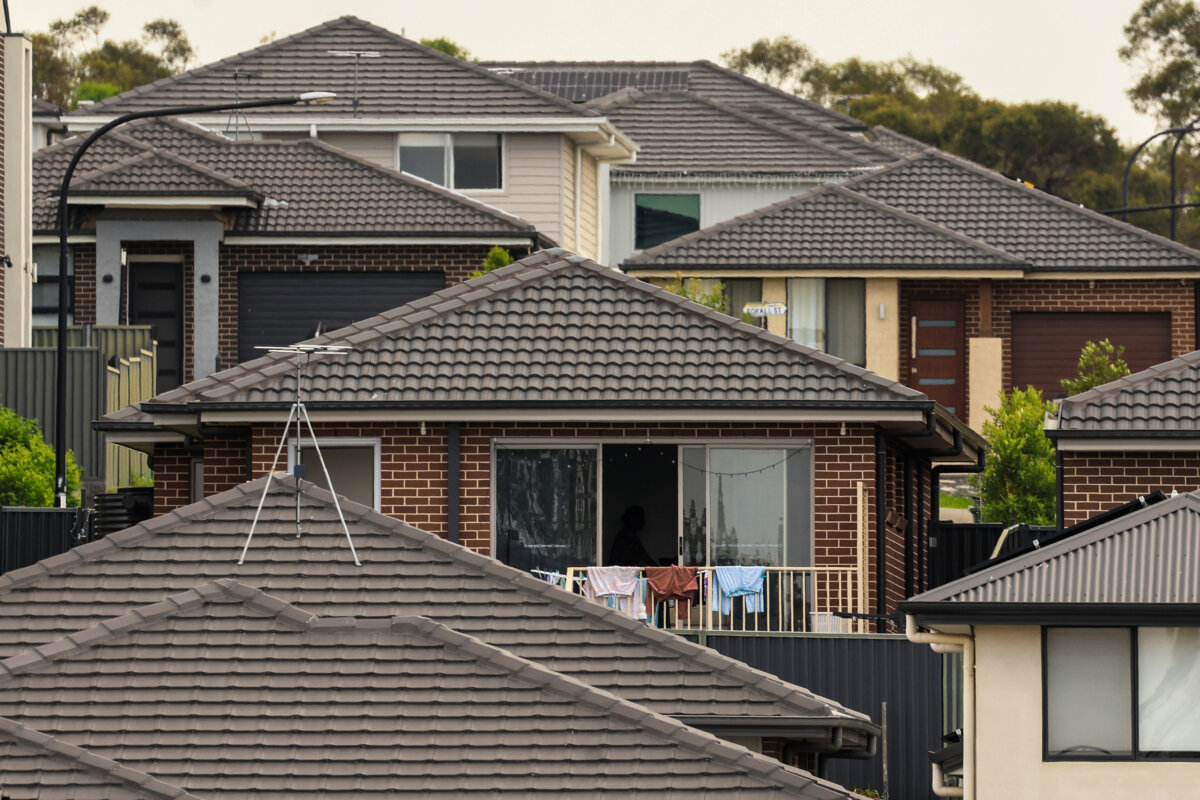
The premier also blamed “some of the wealthier councils” for using planning powers to make it “almost impossible to build homes,” naming the affluent Woollahra, Mosman, North Sydney, and Hunters Hill as the “most intransigent, difficult councils” which routinely ignore housing targets.
The NSW government has just announced 10,000 new homes over 15 years and a train station in Woollahra, a move the opposition has called “fanciful.”
Minns further noted that the Housing Delivery Authority, a new state agency launched by his government in early February, was “deliberately established with the view of knocking over a decision on a local council” and an acknowledgement itself that “the system is failing.”
The premier said the decision to give the Authority rezoning and development approval powers was deliberate.
“It’s almost like an outside-the-system funnel to get approvals done quickly, in recognition of the fact the squiggly mess that is the planning system isn’t working, but I don’t have a choice.”
NSW Labor Learning From NZ Experience
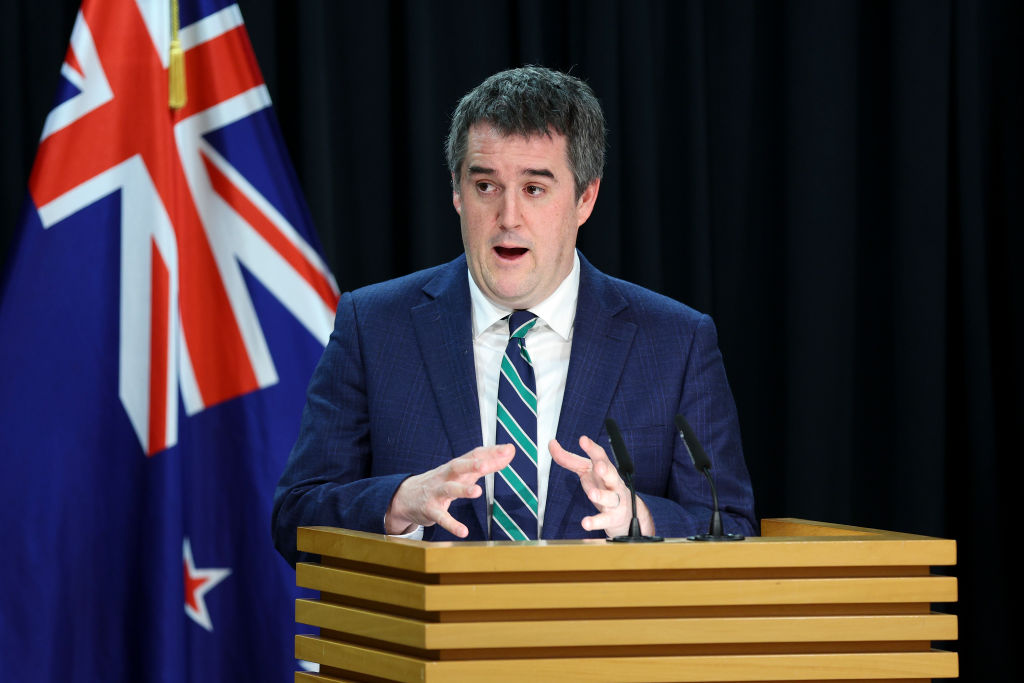
Joining Minns at the event was Chris Bishop, the New Zealand Minister of Housing, who visited to share about its successes, including the upzoning and strong supply-side gains in affordability.
Bishop largely agreed with Minns’ perspectives, adding that the artificial constraints on the supply of developable urban land planning is the root problem.
“The idea that some people push that zoning and land supply doesn’t affect affordability is nuts … Cities that make it difficult to build more housing have housing affordability problems. Cities that legalise housing and allow it to be built find that it’s more affordable,” he said.
Minns noted that when Labor started to develop its NSW housing policy after coming to power, it took “direct inspiration” from the experiences in New Zealand, particularly Auckland.
He said NSW followed New Zealand’s experiment with new zoning laws and took three main lessons from it: Easier rules for infill housing doubling construction; that added supply led to a decrease in housing prices and rent; and that cheaper housing drew younger people back to the city, restoring “a bit of vibrancy.”
 Friends Read Free
Copy
Facebook
Tweet
Friends Read Free
Copy
Facebook
Tweet