
News Analysis
It is a sprawling regional seat, long held by the centre-right Liberal Party—hardly a place expected to ignite one of the most closely watched political contests in recent years.
Farrer is positioned on the south-west corner of the Australian state of New South Wales and straddles the Victorian border. It covers 126,563 square kilometres, including 14 local government areas.
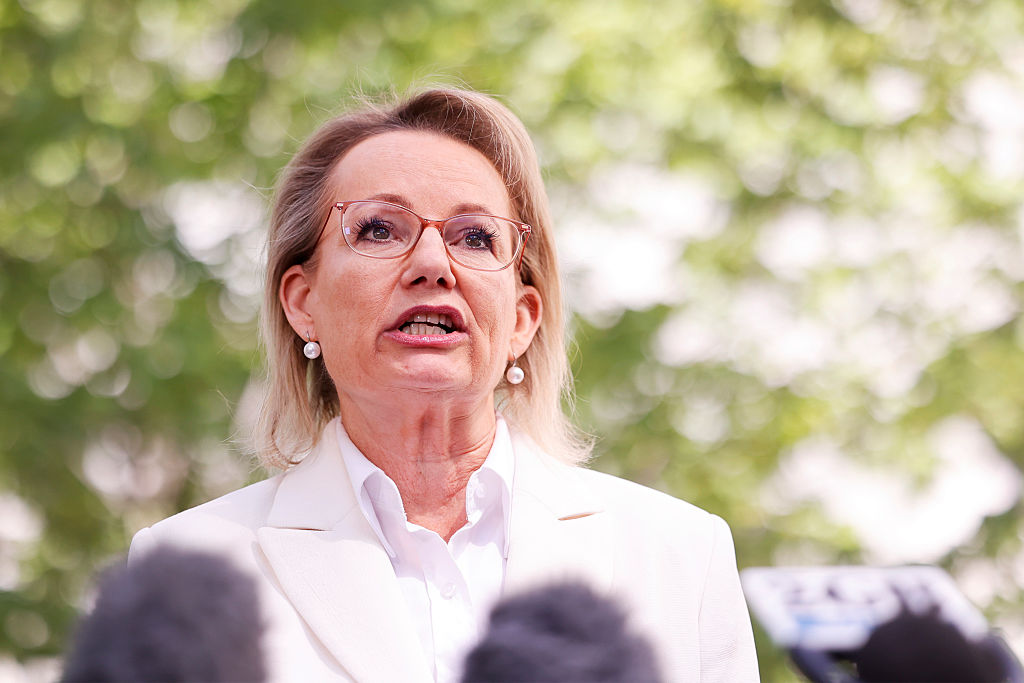
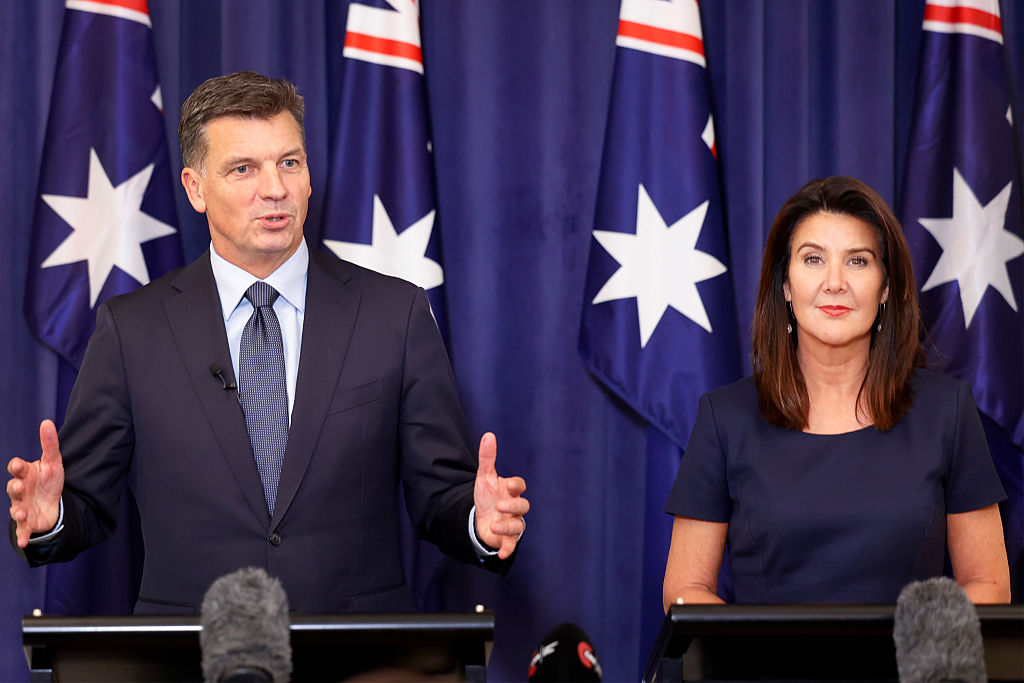
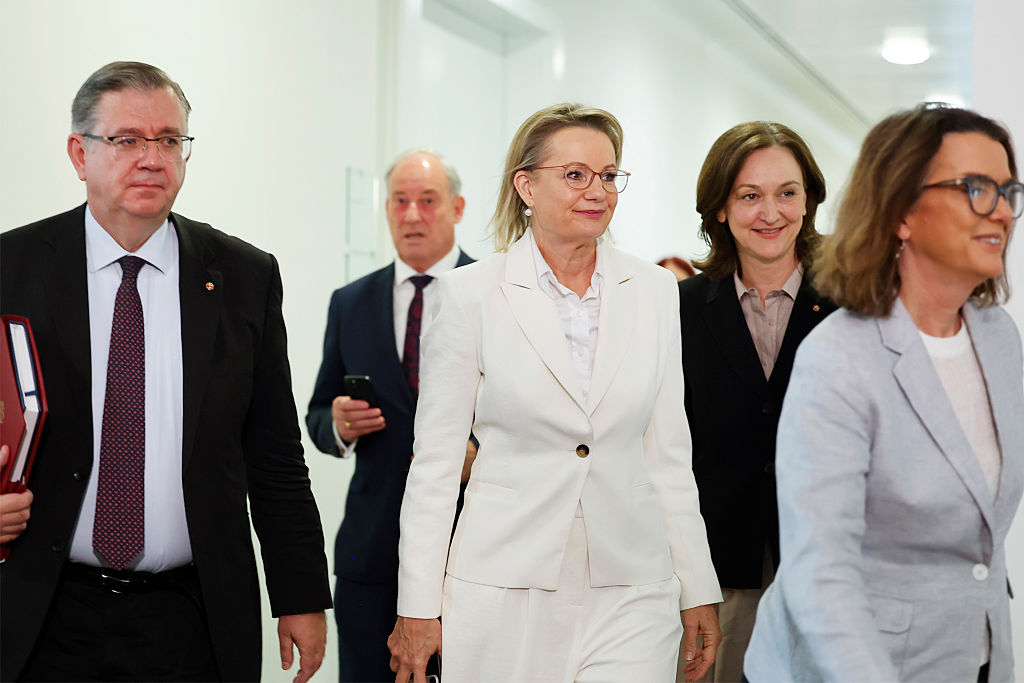
The surprise byelection—date not announced—was triggered by the resignation of long-serving Liberal MP Sussan Ley, who has held the seat since 2001, after losing the centre-right Liberal Party leadership contest to Angus Taylor.
Within minutes, the conservative-leaning One Nation leader Pauline Hanson declared her party would field a candidate.
The regionally-focused Nationals will also put their best foot forward having chosen not to run a candidate for nearly two decades, partly due to their formal Coalition relationship with the Liberal Party.
It sets up an intriguing four-way contest between the three centre-right to conservative-leaning parties, as well as a “Teal” independent backed by the Climate 200 group—an initiative that has gained traction amid ongoing disinterest in the major parties.
The result will also be one of the clearest indicators on whether months of strong polling can translate into electoral gain for One Nation, whether the Teals have staying power, and does Taylor’s leadership reinvigorate interest in the flagging centre-right Liberals?
Farrer Normally Safe as Chips for the Centre-Right
At the 2025 election, there were 123,752 enrolled voters in Farrer.
From 1984 to 2001, Farrer was held by the Nationals.
Ley won it for the Liberals in 2001 and has retained it comfortably ever since, frequently with margins so large the seat barely registered any real competition.
Even in May 2025—when the Liberals recorded their worst national result in history—Ley still retained Farrer with a margin of more than 12,000 votes.
Not Always a Straight-Forward Contest: Analyst
Election analyst Antony Green says Farrer has not always been a straightforward contest between the traditional two major parties, Coalition and Labor.
In both 2019 and 2025, Labor slipped to third behind an independent.
In 2019, the Liberal margin against independent Kevin Mack fell to 10.9 percent, and in 2025, the margin reduced to 6.4 percent in a contest against Teal candidate Christine Milthorpe.
The tightest contest came in 2001, a three-way race where the Liberals defeated the Nationals by just 0.1 percent—206 votes, with Labor again pushed to third.
Can One Nation Convert Polling Success into Votes?
Questions about the future of the seat come as the popularity of Australia’s conservative-leaning One Nation continues to surge across multiple polls—one poll even suggesting that the party is the most popular at state-level in Victoria.
Hanson in an official statement announced that local branch members would come together to select their preferred candidate and has called for expressions of interest.
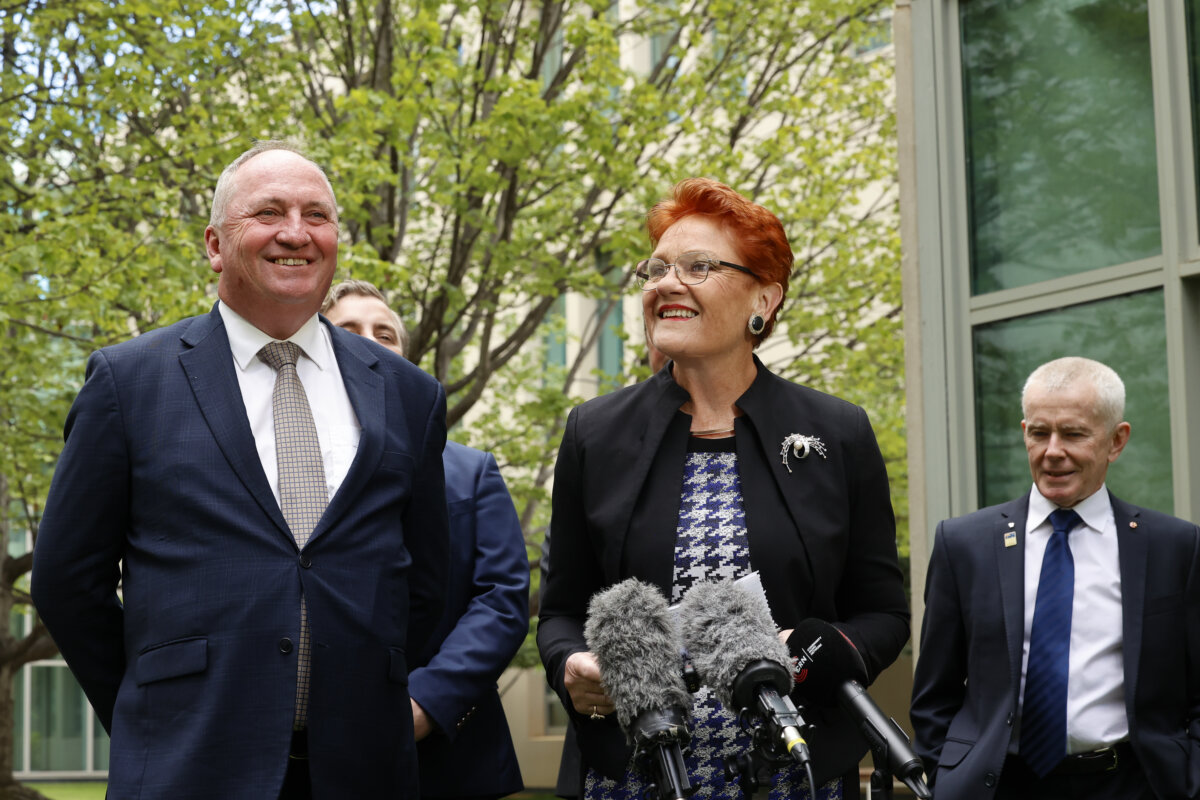
“The date has not yet been set, but the meeting will be held at a time leadership team deems appropriate,” she said.
The Region Riverina outlet reports Helen Dalton, the independent state MP for Murray—which overlaps with Farrer—who previously represented the Shooters, Fishers and Farmers Party, was approached by Hanson and is still considering.
At the 2025 federal election, One Nation candidate Emma Hicks finished fourth with more than 5,000 votes, just ahead of the Greens. She lagged by over 10,000 votes behind the Labor candidate who finished third.
Can the Teal Juggernaut Continue?
In May, Teal candidate Michelle Milthorpe saw a massive 20 percent swing towards her on her first outing.
Milthorpe has indicated she will recontest the seat.
“Our communities deserve a reliable and relatable representative; someone who listens, understands our regional context, and is prepared to do the work in Canberra to make policy better reflect life in rural and regional Australia,” Milthorpe said.
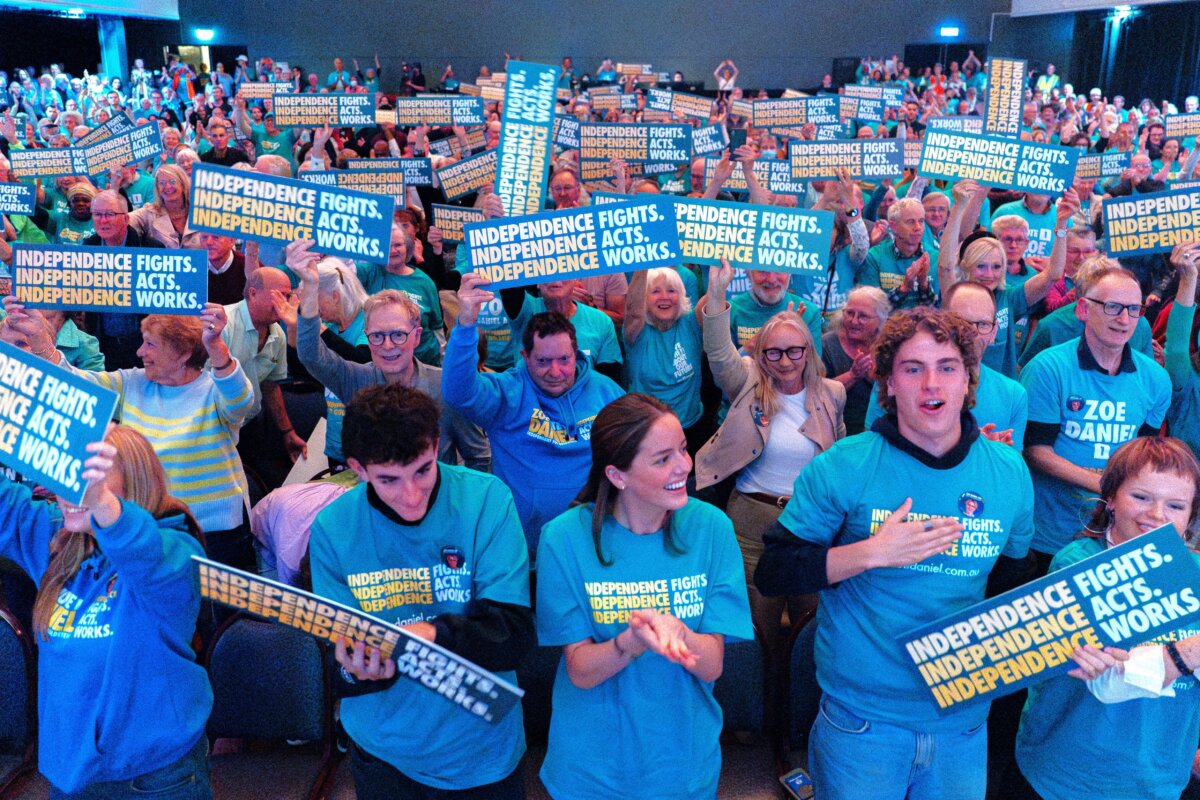
“We live with the consequences of water mismanagement and infrastructure neglect,” she said.
The Teals are not a party, but officially independents who share similar teal-coloured campaigns and are backed by the Climate 200 group. They have largely run on stronger climate change action, and better transparency in government.
The Australia Institute says in 1975, minor parties and independents took just 4 percent of the primary vote, but this has now risen to 34 percent in the May 2025 election—overtaking the Coalition’s 32 percent.
Is the Nationals Brand Still Appealing?
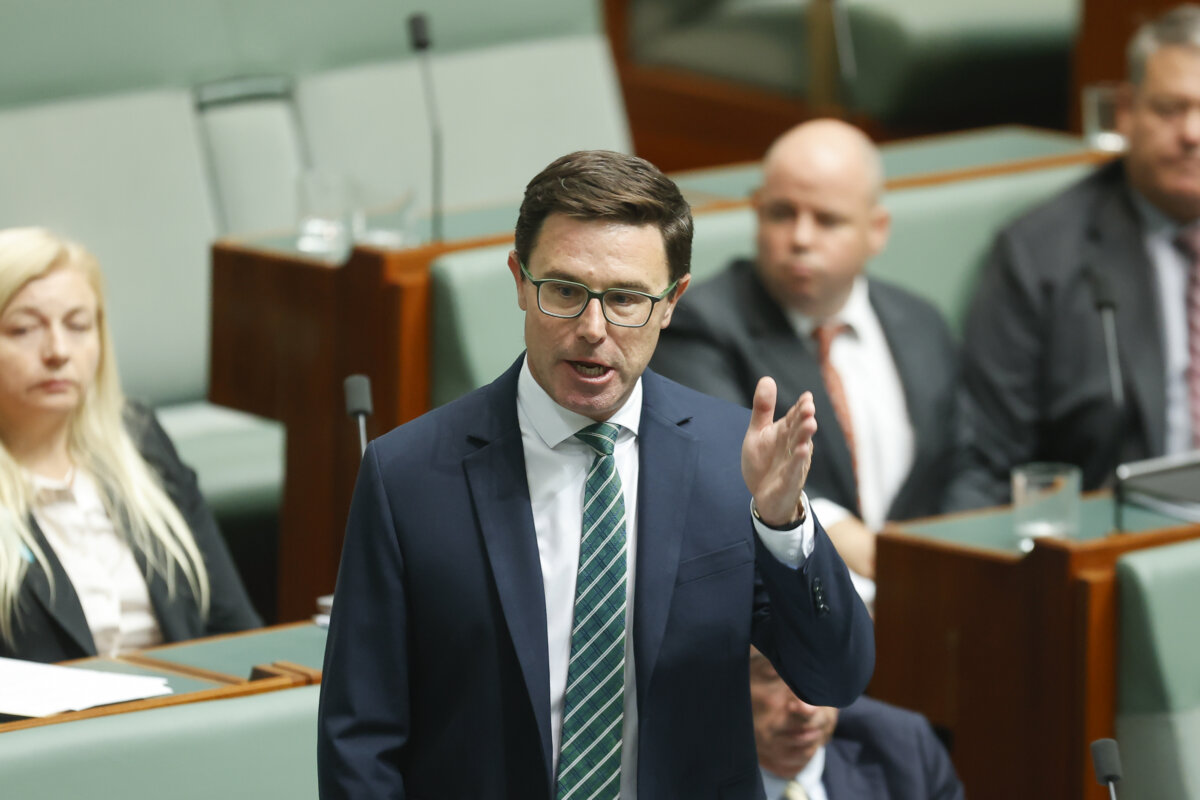
Nationals leader David Littleproud confirmed his party would field a candidate, alongside the Liberals.
“The reality is we’ll have individual candidates, but there’s a structured process around it,” he told Sky News Australia on Feb. 16.
Running against his Coalition partner does have major risks, particularly if both sides cannibalise each other’s votes.
It also tests whether the Nationals’ brand has enough appeal to win back a regional seat after so many years.
Early Signs of 3-Way Contest
A small live poll conducted by the Region media outlet on Feb. 20 suggests a highly fragmented field: Milthorpe in the lead on 30 percent, then the Nationals on 25 percent, and One Nation at 24 percent.
The Liberals were shown struggling on 4 percent, 2 points behind Labor.
The informal poll of readers was based on about 1,000 votes, meaning it cannot be treated as a reliable forecast.
Meanwhile, Sportsbet has Milthorpe as the odds-on favourite at $2.50 followed by the Nationals ($2.60), One Nation ($3.50), and the Liberals at ($7.00), as of Feb. 20 at 11.00 p.m. AEST.
Labor is yet to make any formal announcement on whether it will contest.
Election blogger Kevin Bonham says the electorate is strong for One Nation and says a large portion of right-leaning voters resisted backing the Coalition or the Teals at the last contest.
“I’d expect on that basis that any independents that run and One Nation, are to a more than obvious degree fishing in the same pond. Perhaps this will make it hard for One Nation to get a really high primary,” he wrote on his website.
However, he says the wild card—which may explain One Nation’s appeal to her—is the state MP Dalton.
“Probably the most dangerous opponent on preferences if she runs … would be Dalton as an independent, as she has the right combination of right-wing and indie cred to gain in any matchup.
“Dalton as a One Nation candidate would have a hybrid appeal that could make the Coalition parties’ task very difficult.”
 Friends Read Free
Copy
Facebook
Tweet
Friends Read Free
Copy
Facebook
Tweet